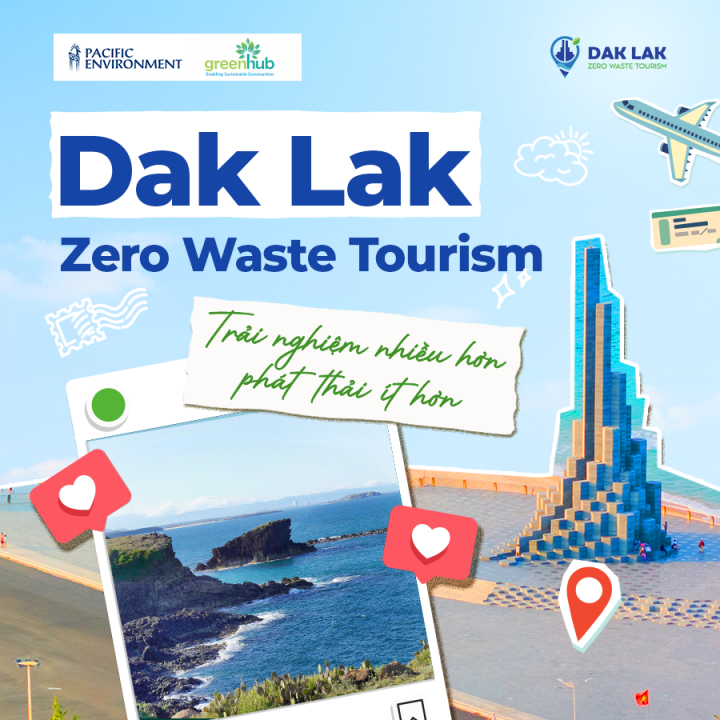



🌊 Nestled at the foot of Đèo Cả Pass, Vũng Rô Bay is one of the destinations in the former Phú Yên Province (now part of Đắk Lắk Province), famous for its crystal-clear waters, dramatic mountain scenery, and distinctive floating aquaculture villages. Beyond its breathtaking natural beauty, the bay is also a significant historical site, home to the Unnumbered Wharf relic, a national historic landmark associated with the Hồ Chí Minh Sea Trail.
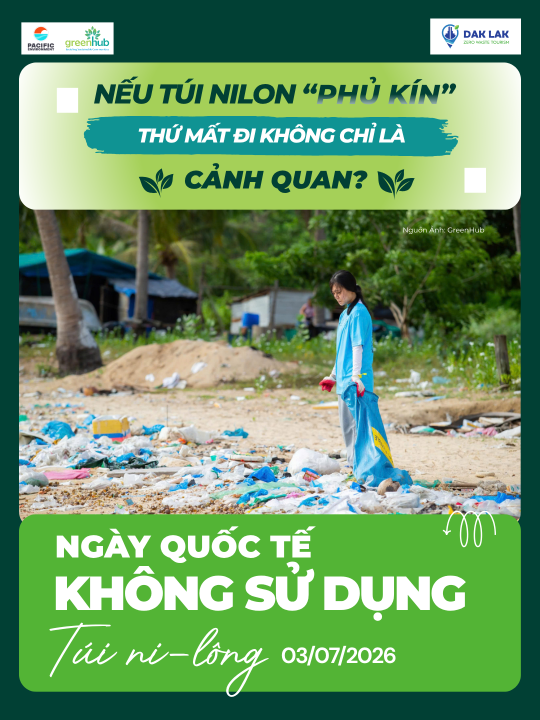
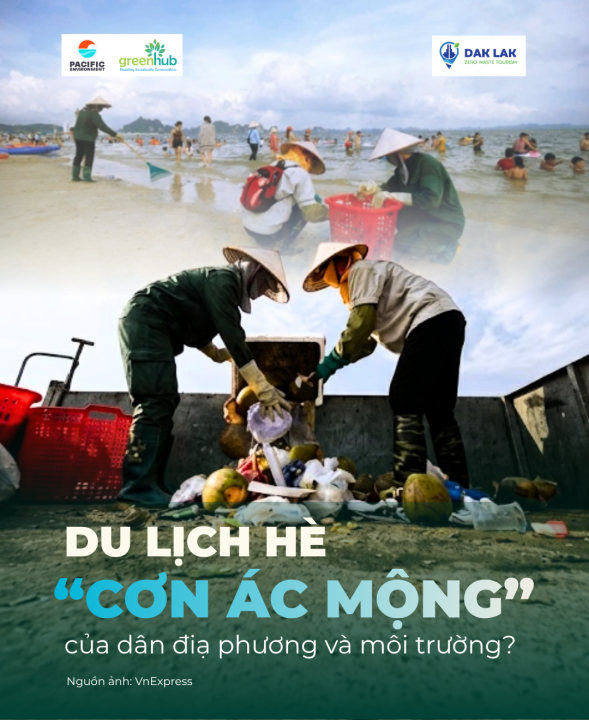
However, at certain times of the year, large volumes of waste accumulate along the coastline, negatively affecting the local environment, coastal landscape, and visitors' experiences.
In an interview with Agriculture and Environment Newspaper, a visitor from Hanoi shared: "Vũng Rô was one of the places I chose to visit during this holiday. But seeing the beach covered in litter was truly disappointing."
Although the waste does not originate solely from tourism activities but also from daily household activities and aquaculture, this situation highlights the growing environmental pressure that tourist destinations are facing from multiple socio-economic activities simultaneously.
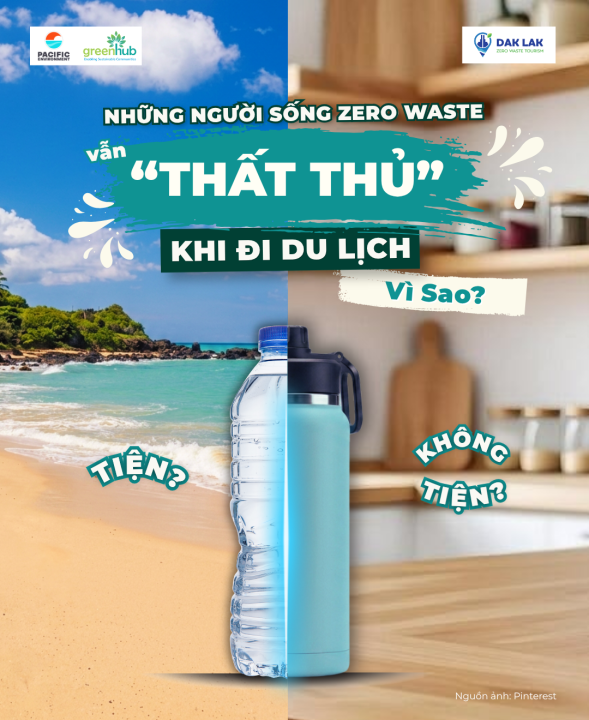
🌊 In 2024, the former Phú Yên Province welcomed approximately 4 million viíitors, an increase of 25% compared to 2023 and this is the highest annual figure on record. These figures demonstrate the province's growing appeal as a tourist destination. At the same time, they also imply that millions of plastic water bottles, takeaway beverage cups, food containers, shopping bags, and other single-use packaging items are consumed within a relatively short period.
This trend indicates that as tourist arrivals continue to grow, pressure on infrastructure, environmental services, and waste management systems continues to grow unless appropriate and effective solutions are put in place.
⚠️ Beyond concerns over environmental pollution, what is also under threat is the very livelihood of thousands local people whose incomes depend on tourism and marine resources. For many coastal communities, the natural landscape is their most valuable asset for tourism development. Clean beaches, pristine bays, and healthy marine ecosystems are key factors influencing whether visitors choose to return. As waste becomes increasingly prevalent, the value of these natural assets gradually erodes, not only in terms of their scenic beauty but also in their ability to attract and retain visitors. When landscapes are degraded by litter, the overall tourism experience declines, leading to negative visitor perceptions and gradually diminishing the destination's attractiveness over time. This ultimately affects not only tourists but also the people whose livelihoods rely on tourism, including local businesses, small-scale vendors, and generations of coastal communities that have long depended on marine resources.
📉 In other words, what is left behind after every trip is not merely waste , it is also an increasing burden on the environment and the livelihoods of local communities.
💡🌱 In our upcoming posts, GreenHub will explore practical solutions that can help ensure every journey not only creates lasting memories but also contributes to preserving the beauty of destinations for future visitors.
📌 Stay connected with GreenHub as we continue our journey toward a Đak Lak zero waste tourism.