


And it is a completely understandable concern. Any change in operations requires additional time, effort, and often an initial investment. But before focusing on how much money it takes to make the transition, perhaps we should ask ourselves a different question:
How much is our business currently spending every month on products that are used only once before becoming waste?
Let’s look at a hypothetical example.
Imagine a homestay with around 10 rooms, serving an average of 400–500 guests per month. If each guest uses approximately two plastic water bottles during their stay, the homestay could be consuming around 800–1,000 plastic bottles every month.
Assuming each bottle costs around VND 5,000, the cost of bottled water alone could range from VND 4–5 million per month - equivalent to nearly VND 50–60 million per year.
And bottled water is only one part of the list of single-use plastic products commonly used every day in accommodation businesses. Disposable toothbrushes, razors, miniature shampoo bottles, plastic cups, straws, plastic bags, and various types of packaging… each item may seem inexpensive on its own. But when hundreds or thousands of these products are purchased every month, the total cost of procurement and post-use waste management can become significant.
So, what might happen if a business starts changing the way it provides certain services?
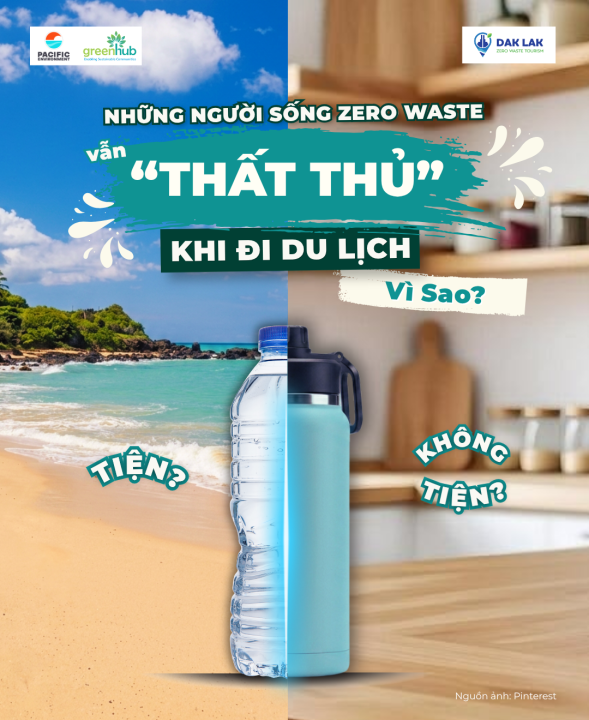
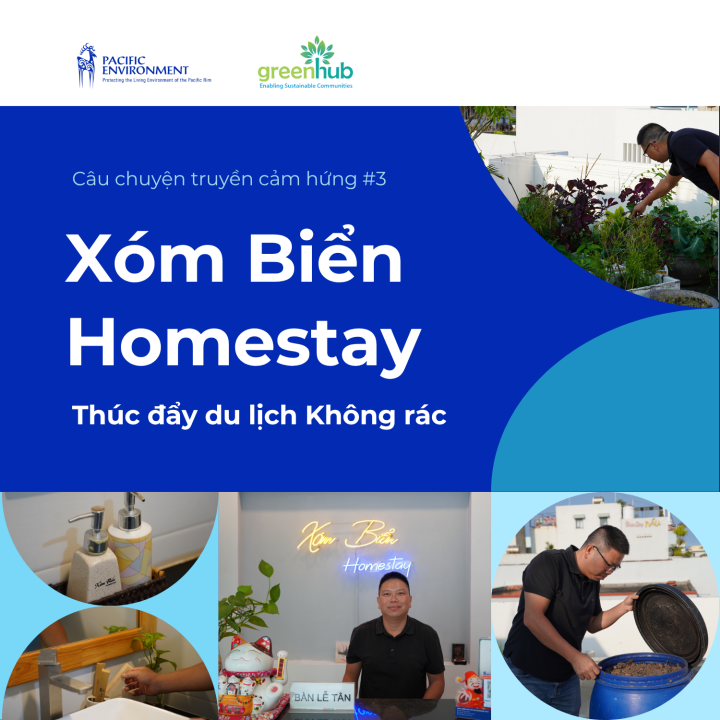
Instead of continuously purchasing bottled water, a business could consider installing a water filtration system and a refill station that are suitable for its operating conditions, while using reusable bottles or containers. Instead of miniature shampoo and body wash bottles, it could switch to larger, refillable dispensers. Guests could also be encouraged to bring and use their own water bottles when the business provides a suitable source of drinking water for refilling.
These changes do not mean that a business has to change everything at once. They may require an initial investment, as well as ongoing costs for operation, cleaning, and maintenance. More importantly, the business may also need to adjust certain processes related to procurement, inventory management, cleaning, and staff guidance.
However, when carefully selected and properly managed, these solutions can help reduce the need to purchase new single-use products, reduce the amount of waste generated, and improve resource efficiency. At the same time, tracking product consumption before and after making changes can help businesses better evaluate which solutions are genuinely suitable and effective in their own operating conditions.
This approach is also recommended in the report Rethinking Single-Use Plastic Products in Travel & Tourism, published by the United Nations Environment Programme (UNEP) and the World Travel & Tourism Council (WTTC). The report identifies water bottles, single-use personal care products, plastic bags, food packaging, and cups as some of the most common single-use products across the tourism value chain. It encourages businesses to reconsider single-use products that are not truly necessary for their operations, gradually reduce their use, transition towards reuse models, and select solutions that are appropriate for their actual operating conditions.
💚 Reducing single-use plastic does not mean that businesses have to change everything overnight. Every business can start with small steps that suit its own circumstances.
What matters is that every investment made today can help reduce waste, lower operating costs in the long run, and create a more environmentally friendly and professional image in the eyes of guests.






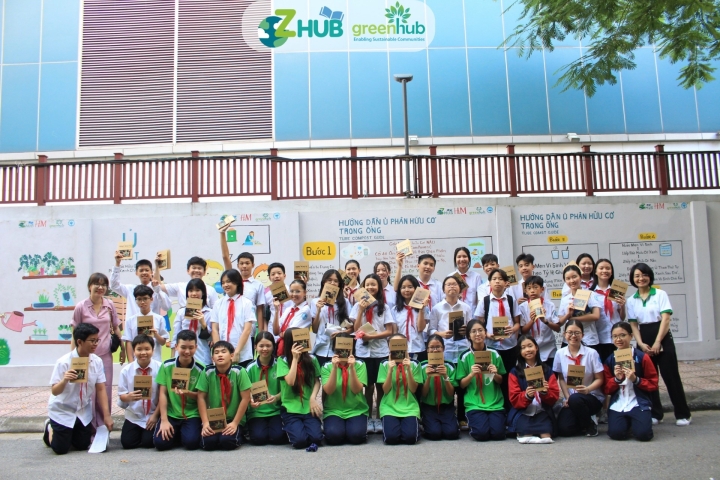
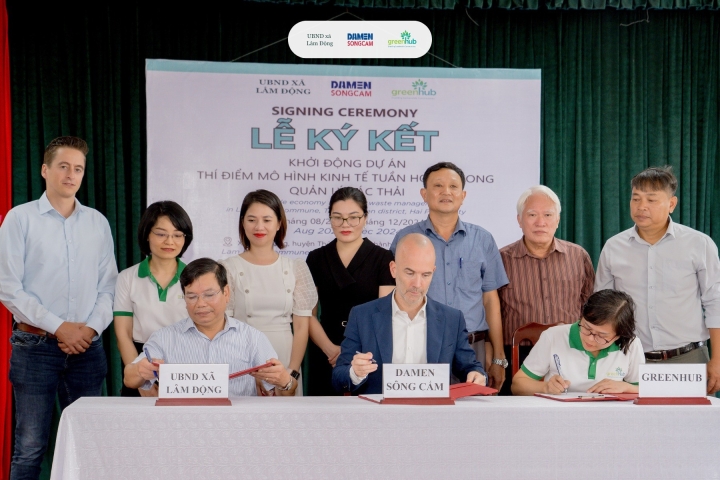
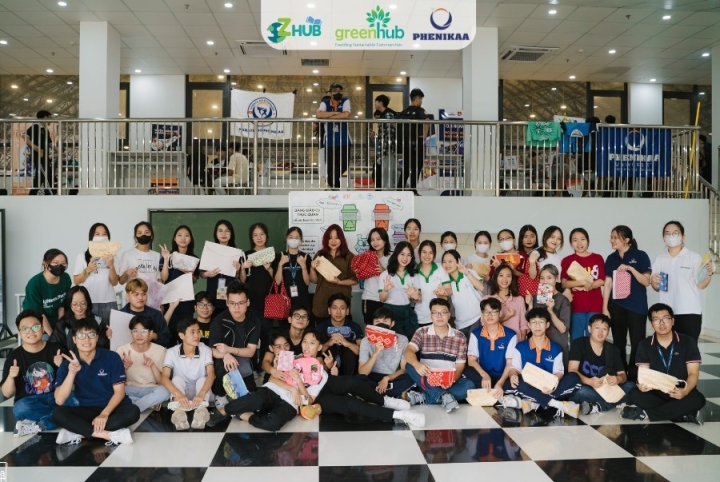
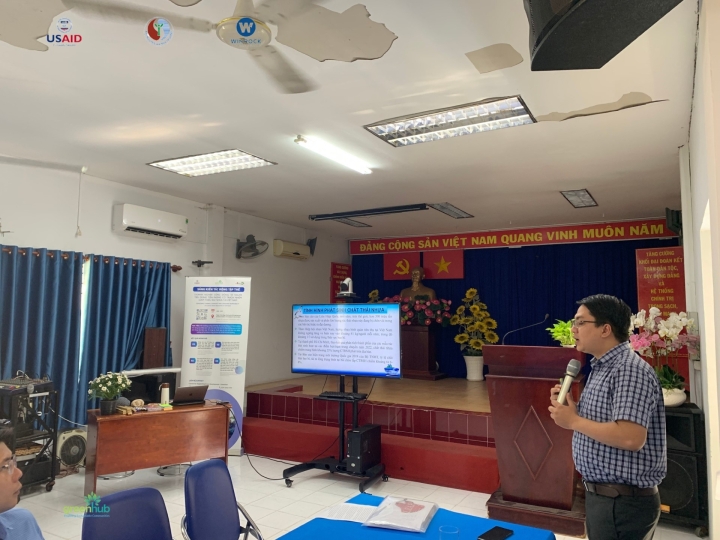
![[Recap] The event](https://cdn8774.cdn4s10.io.vn/thumbs/upload-files/anh-bai-viet/linh/damen/recap-28-2-25/1_thumb_720.png)







![[/HēRōS/: ZERO – HEROES OF ZERO] For a Green Ha Long – Mr. Nguyen Duc Hai, Quarter 2, Ha Trung Ward](https://cdn8774.cdn4s10.io.vn/thumbs/article_img_avatar/So-18-01_thumb_720.png)
![[/HēRōS/: ZERO – HEROES OF ZERO] Women’s Union of Quarter 5, Hong Hai Ward](https://cdn8774.cdn4s10.io.vn/thumbs/article_img_avatar/So-16-01_thumb_720.jpg)
![[/HēRōS/: ZERO – HEROES OF ZERO] Women’s Union of Quarter 2A, Cao Thang Ward](https://cdn8774.cdn4s10.io.vn/thumbs/article_img_avatar/So-17-01_thumb_720.png)
![[/HēRōS/: ZERO – HEROES OF ZERO] Meeting the Champions of GreenTalk 2021 – The “Green Quartet” Team](https://cdn8774.cdn4s10.io.vn/thumbs/article_img_avatar/So-11-01_thumb_720.jpg)
![[/HēRōS/: ZERO – HEROES OF ZERO] GreenTalk 2019 Runner-up Nguyễn Thị Hoàng Anh – A Seed That Has Sprouted](https://cdn8774.cdn4s10.io.vn/thumbs/article_img_avatar/So-5-01-min_thumb_720.jpg)