


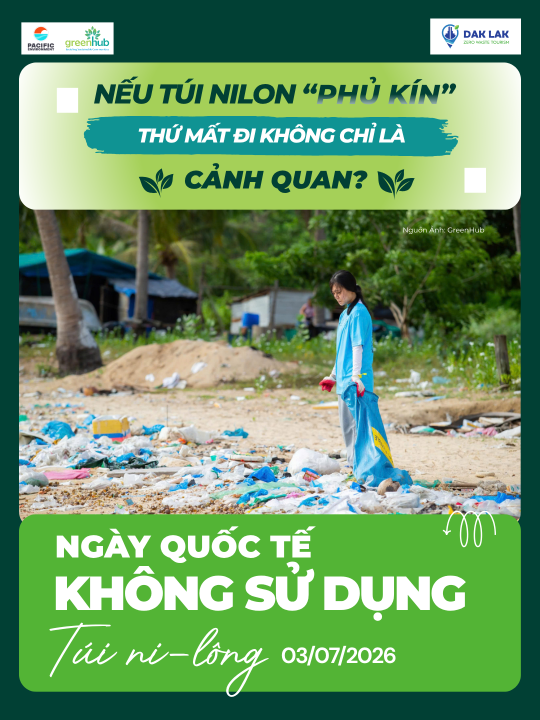
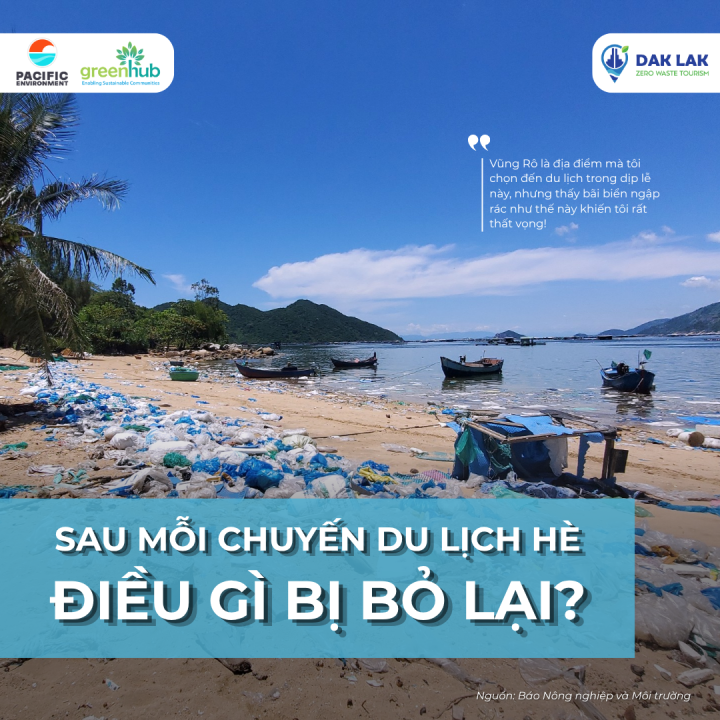
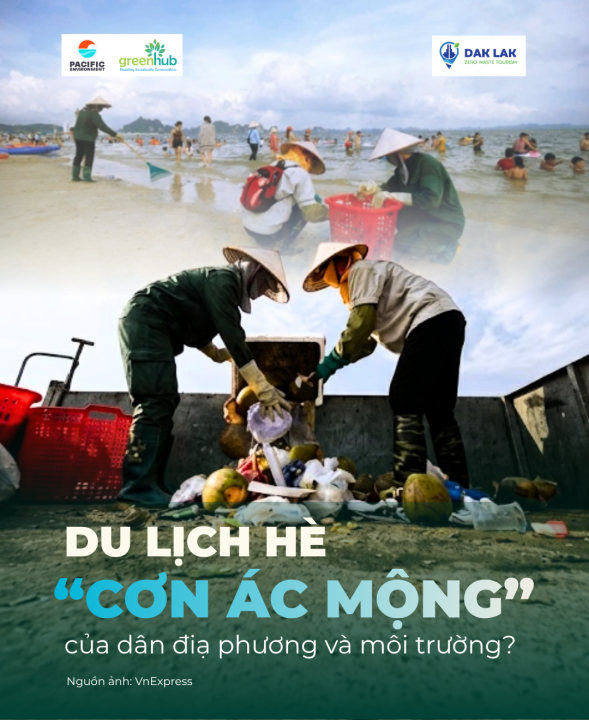
In reality, significant environmental impacts often come from very familiar daily behaviors: hundreds of plastic bottles used and thrown away, single-use personal amenities discarded, food waste dumped, or waste not being properly sorted.
That also means, solutions do not necessarily have to start with big changes.
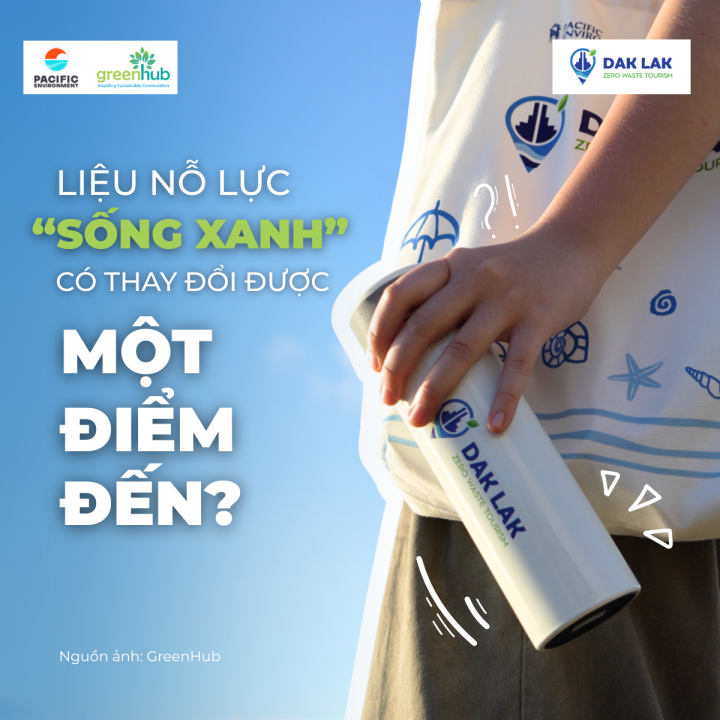
🌱 Start by minimizing single-use products
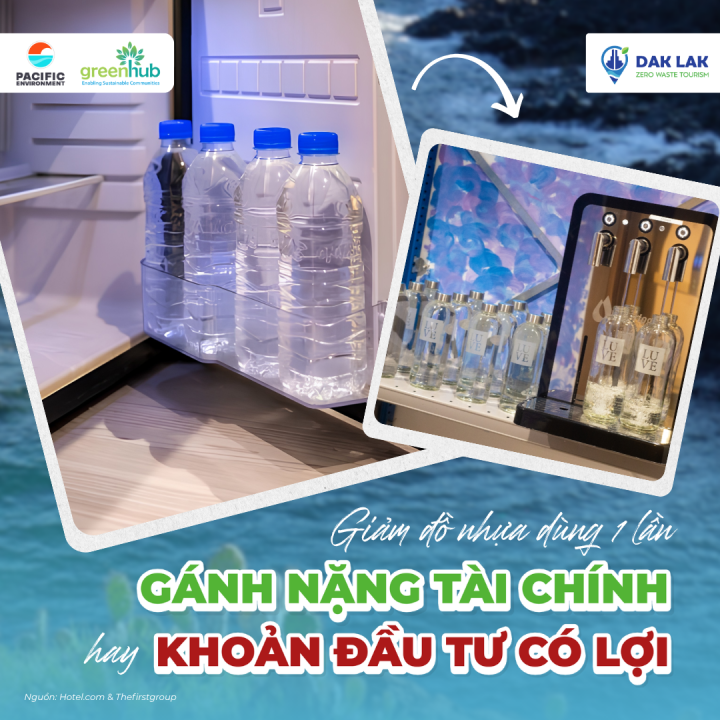
One of the first steps toward reducing environmental impact is to evaluate unnecessary single-use products that can be reduced or replaced with alternatives that can be reused in business operations.
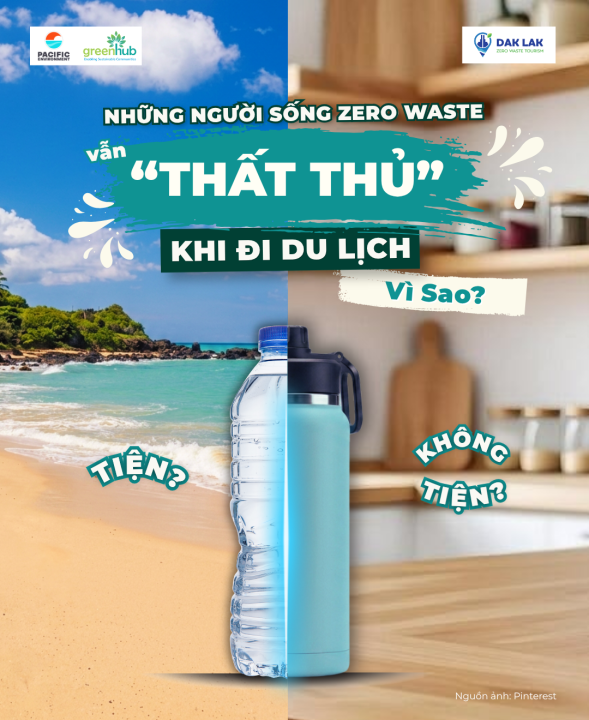
Many accommodations have already replaced plastic bottles with water refill stations and reusable bottles, replaced mini shampoo bottles with refillable containers or prioritized eco-friendly products. These changes not only help to minimize the amount of waste generated but also help to lower operation costs in the long run.
These changes do not necessarily need to be done at the same time. Each operator can start with products or procedures that are suitable for their circumstances.
♻️ Start considering waste as a resource rather than something to be discarded.
One of the reasons that lead to the amount of waste generated at tourism attractions expanding day by day is because it is considered as “waste”.
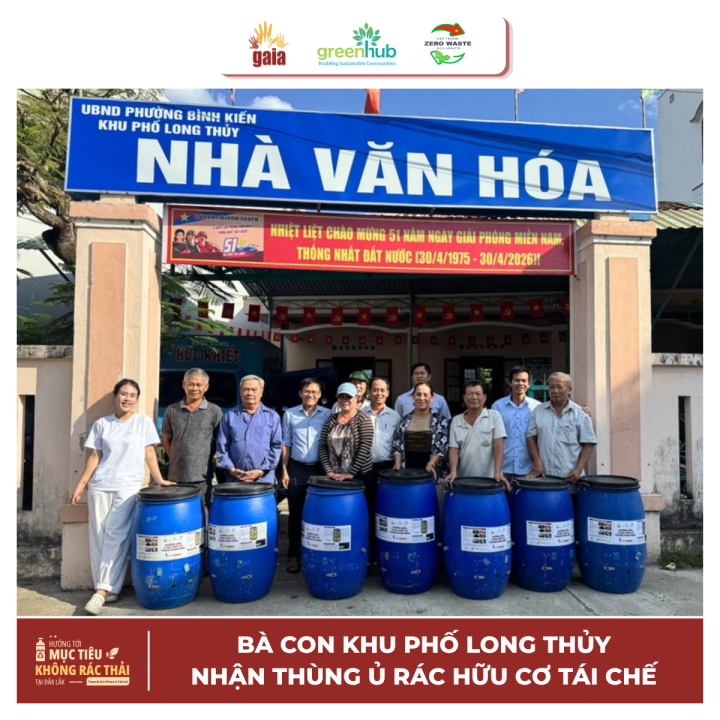
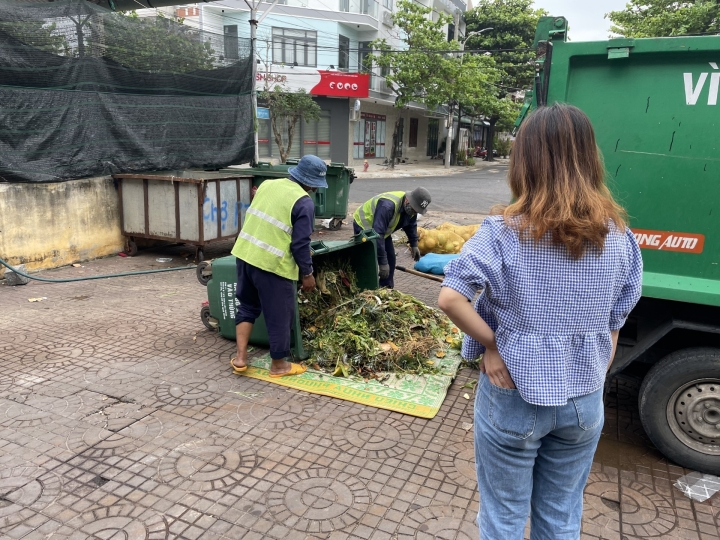
Meanwhile, much of the waste can totally be sorted from the start for recycling or reuse. Organic waste from cooking can be composted into organic fertilizer. Bottles, jars, paper and other materials can be collected separately for recycling or delivered to appropriate treatment facilities.
🏡 Start experiencing green tourism rather than just changing products.
Many business operations assume that sustainable tourism comes with the replacement of all facilities with eco-friendly products. However, the more important factors rely on the participation of tourists.
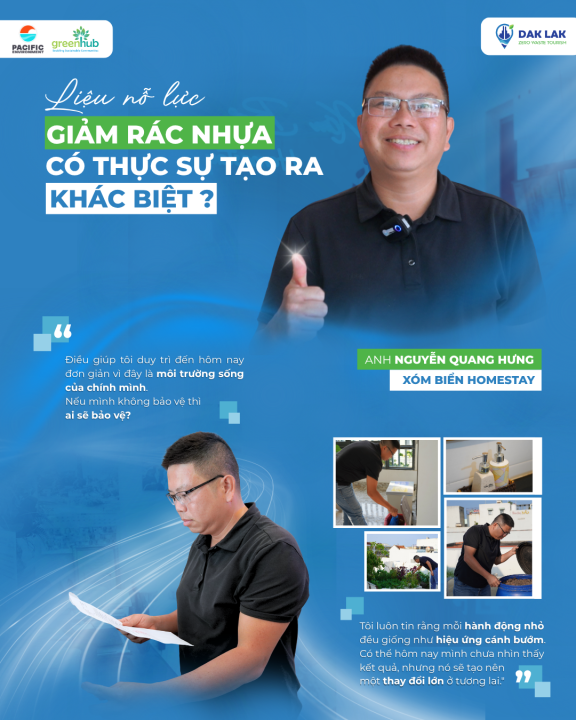
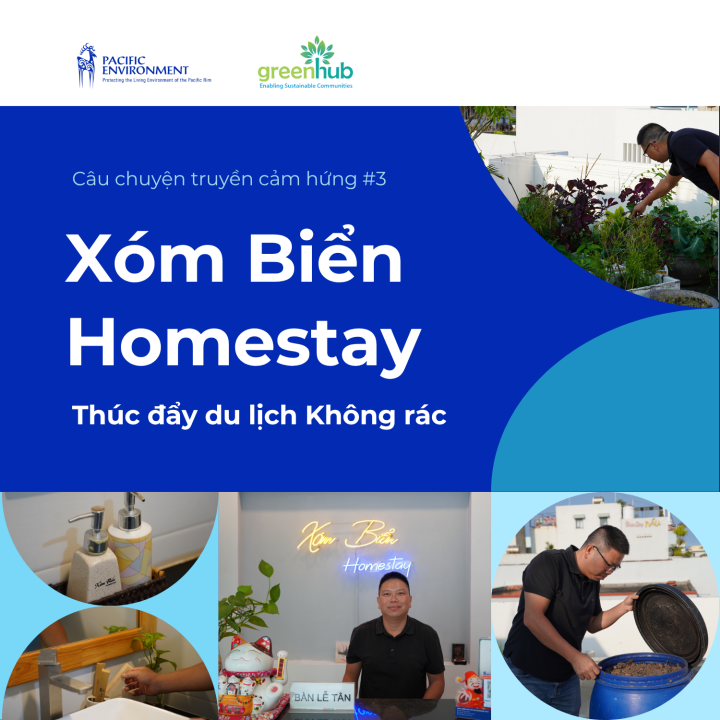
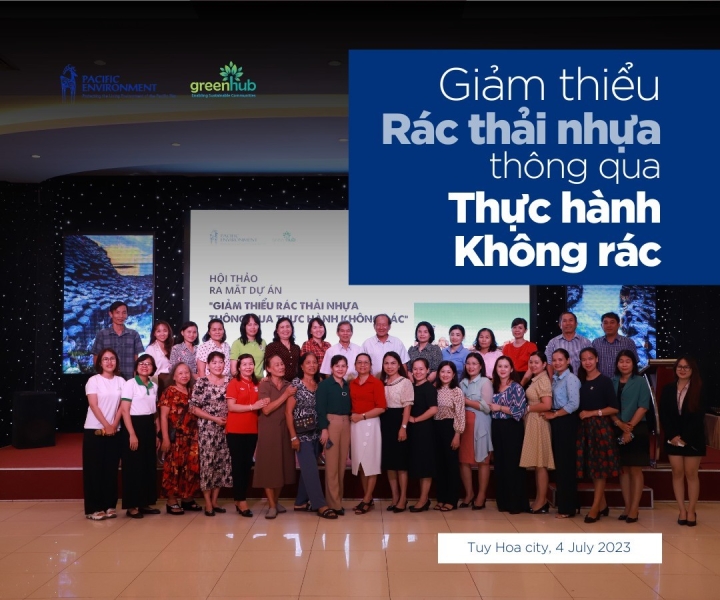
At Xom Bien homestay at Tuy Hoa province, after joining the “Zero Waste Accommodation" model, waste sorting bins were placed in the accommodation with many plastic single use products replaced with reusable products. These changes partly help to reduce waste generated at the accommodation while also providing opportunities for visitors to adopt and practice waste reducing practice during their trips.
A noticeable point is these positive impacts not only stop in accommodation but follow tourists home.
🤝 And start with the collaboration among all stakeholders
An accommodation provider can reduce the use of single-use plastics, but meaningful change will be difficult if travelers continue the habit of using and discarding unnecessary disposable items. A restaurant can implement waste segregation, but its impact will be far greater when supported by appropriate waste collection systems and active participation from the community. Concurrently, the efforts of just a few individuals or businesses are unlikely to create a truly sustainable destination without the support and engagement of those around them.
This is precisely why sustainable tourism is not the responsibility of a single business or a single group of people. Rather, it is a collective journey that requires the participation of multiple stakeholders - including accommodation providers, restaurants, tour operators, local communities, government authorities, and, importantly, the visitors themselves.
According to the Global Sustainable Tourism Council (GSTC) Destination Criteria, a sustainable destination should be built upon four key pillars: sustainable destination management, socioeconomic benefits for local communities, protection of cultural heritage, and the reduction of negative environmental impacts.
This highlights that sustainable tourism is not simply about reducing waste or protecting the environment. Environmental improvements can only deliver lasting impact when they are part of a holistic approach - one in which businesses, travelers, local communities, and other stakeholders work together, support one another, and share responsibility for creating a more sustainable destination.
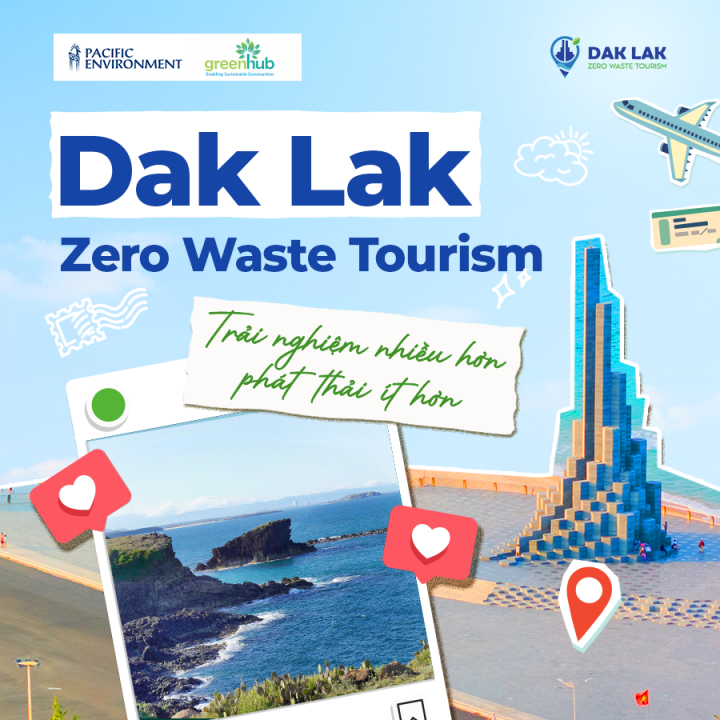
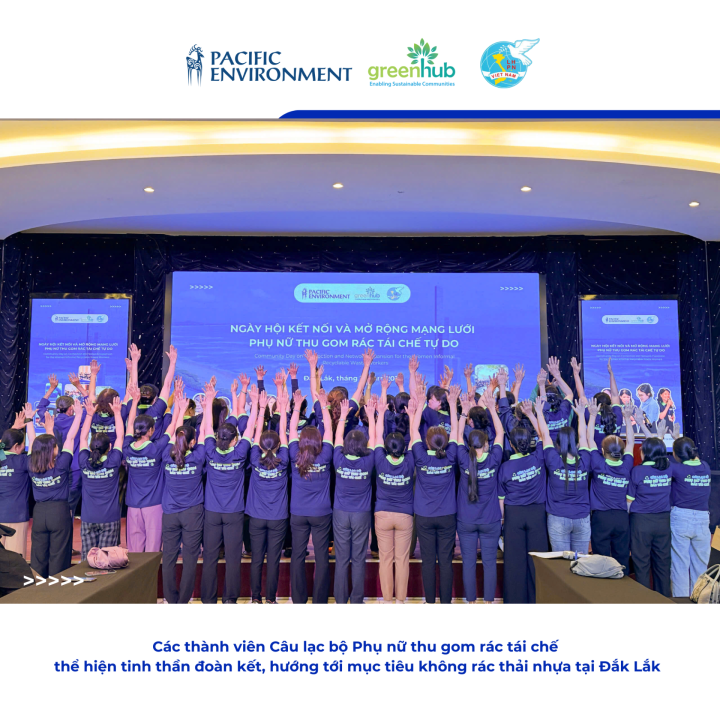
💚 The journey toward a “Zero Waste” Dak Lak won’t be brought about just by several projects or by a few pioneering projects. It only truly becomes reality when more business operations, local communities and tourists all choose to make a change, even with the smallest.
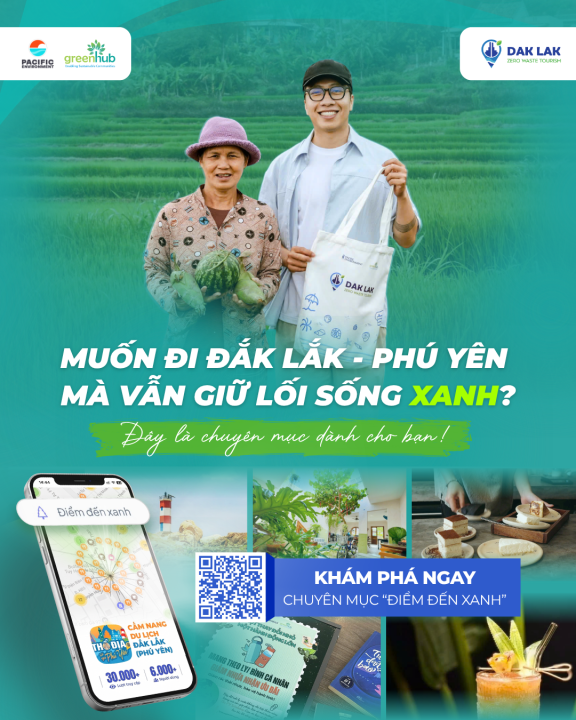
If your accommodation is seeking sustainable business practices and waste reduction, sign up to join the "Green Destinations" section on the Dak Lak - Phu Yen Digital Guidebook app to share positive practices, connect with responsible tourism communities, and contribute to building a greener Phu Yen every day.





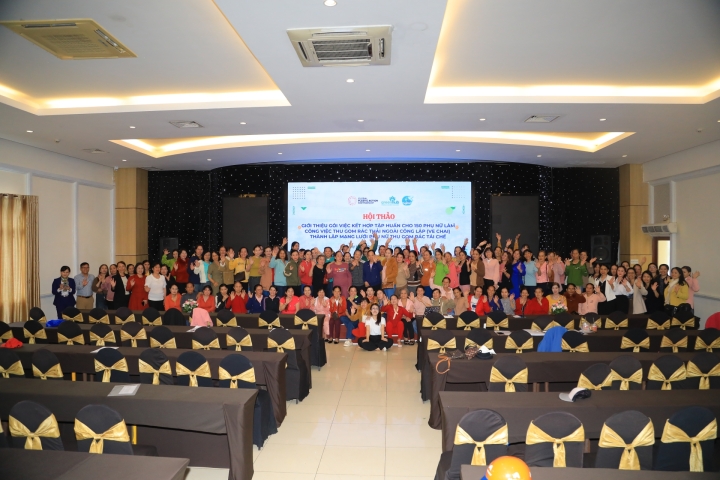
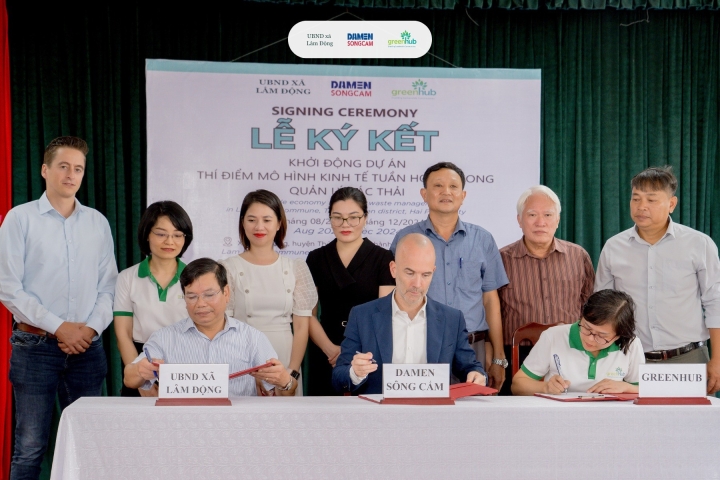
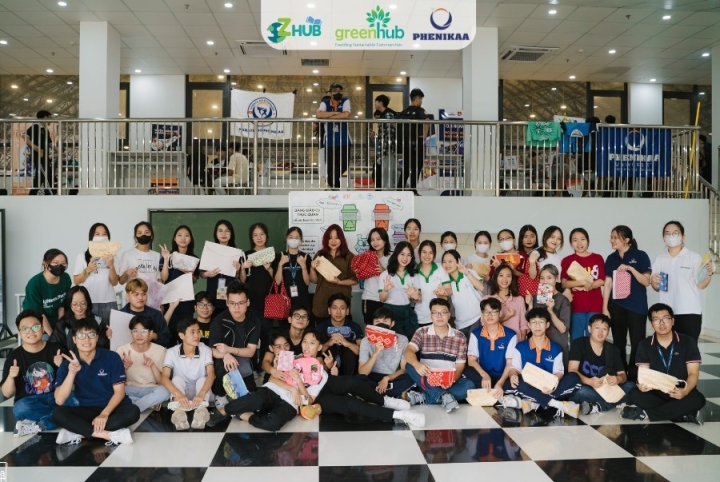
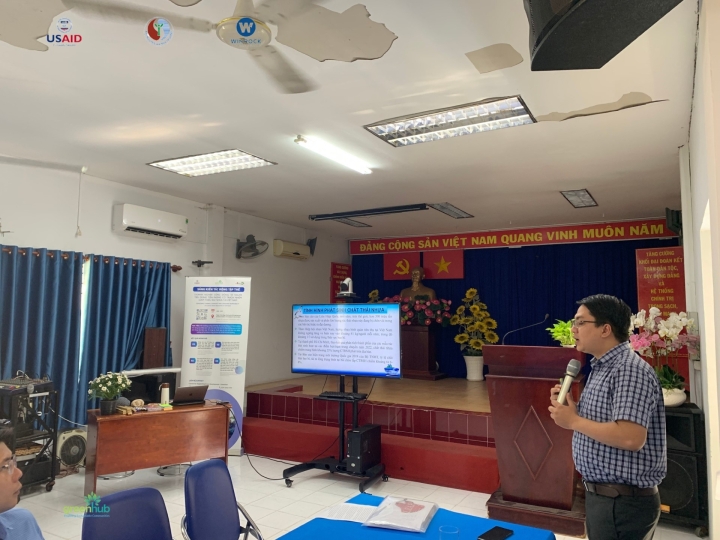
![[Recap] The event](https://cdn8774.cdn4s10.io.vn/thumbs/upload-files/anh-bai-viet/linh/damen/recap-28-2-25/1_thumb_720.png)







![[/HēRōS/: ZERO – HEROES OF ZERO] For a Green Ha Long – Mr. Nguyen Duc Hai, Quarter 2, Ha Trung Ward](https://cdn8774.cdn4s10.io.vn/thumbs/article_img_avatar/So-18-01_thumb_720.png)
![[/HēRōS/: ZERO – HEROES OF ZERO] Women’s Union of Quarter 5, Hong Hai Ward](https://cdn8774.cdn4s10.io.vn/thumbs/article_img_avatar/So-16-01_thumb_720.jpg)
![[/HēRōS/: ZERO – HEROES OF ZERO] Women’s Union of Quarter 2A, Cao Thang Ward](https://cdn8774.cdn4s10.io.vn/thumbs/article_img_avatar/So-17-01_thumb_720.png)
![[/HēRōS/: ZERO – HEROES OF ZERO] Meeting the Champions of GreenTalk 2021 – The “Green Quartet” Team](https://cdn8774.cdn4s10.io.vn/thumbs/article_img_avatar/So-11-01_thumb_720.jpg)
![[/HēRōS/: ZERO – HEROES OF ZERO] GreenTalk 2019 Runner-up Nguyễn Thị Hoàng Anh – A Seed That Has Sprouted](https://cdn8774.cdn4s10.io.vn/thumbs/article_img_avatar/So-5-01-min_thumb_720.jpg)