




💬 IS ZERO WASTE TOURISM TRULY HOLDING BACK THE DEVELOPMENT OF THE TOURISM INDUSTRY?
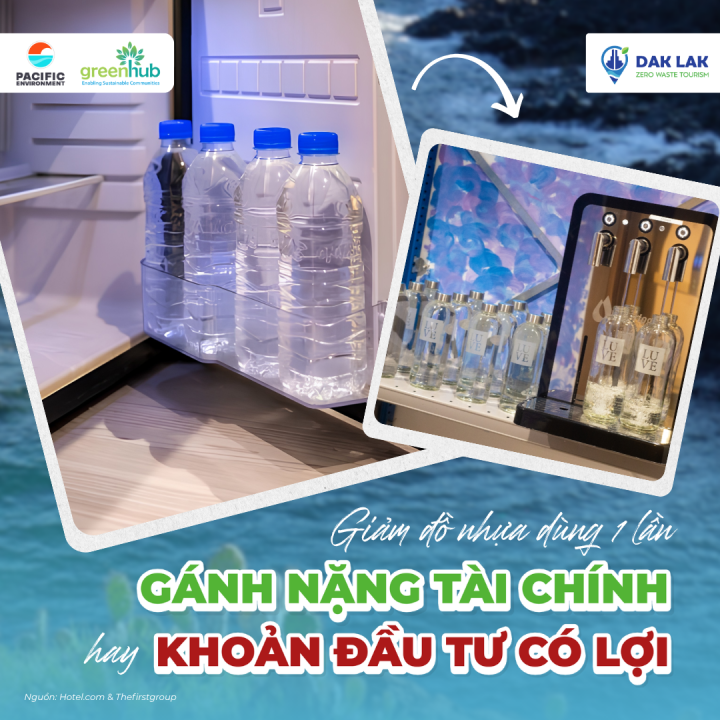
❓ Have you ever wondered whether the rapid growth of tourism requires us to accept environmental trade-offs? Many people believe that restricting single-use plastics, applying green standards, or demanding greater responsibility from tourists will reduce convenience, escalate costs, and make destinations less attractive.
🔄 However, reality is proving quite the opposite.
According to Booking.com’s 2024 Sustainable Travel Report, conducted across 34 countries and territories including Vietnam, travel trends are shifting significantly:
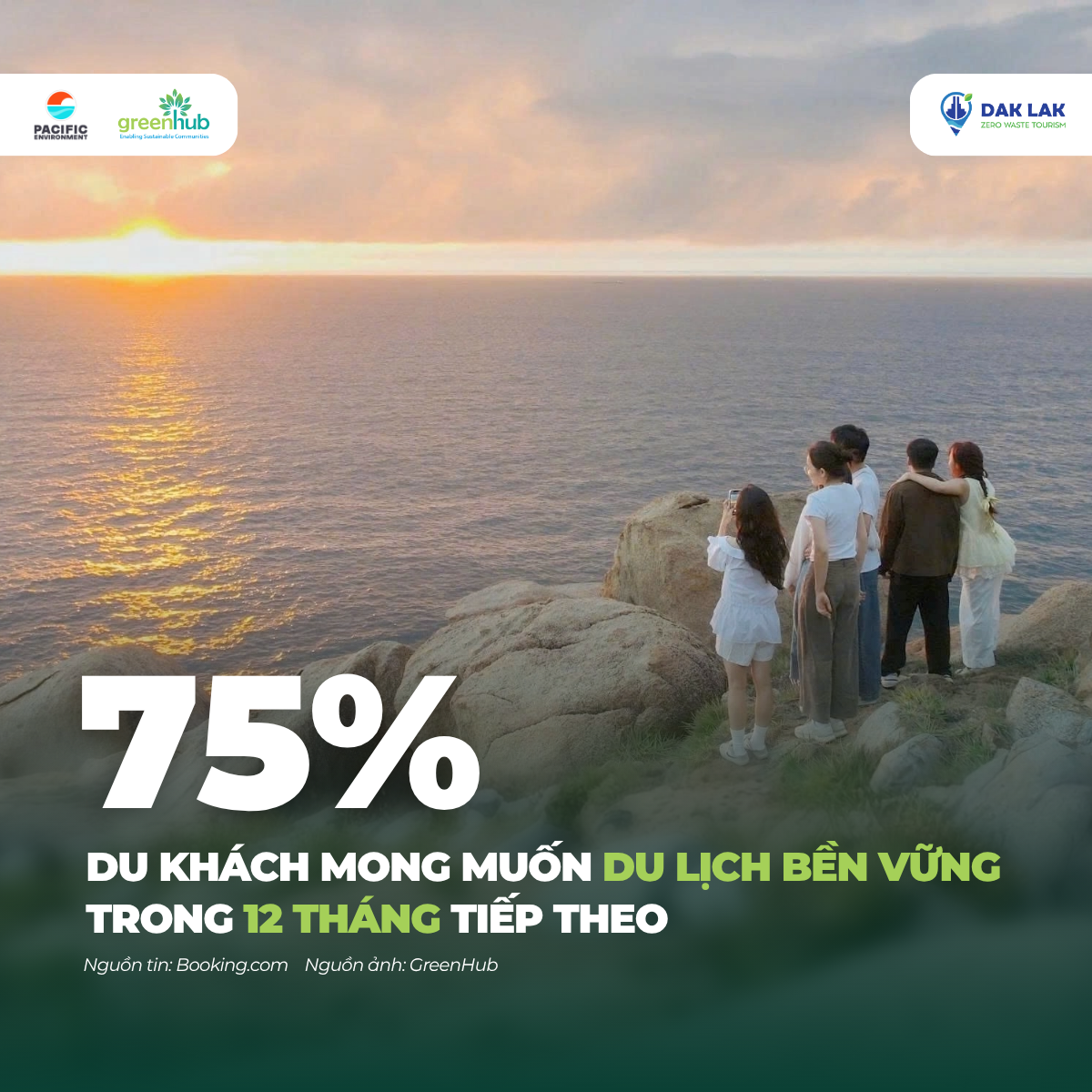
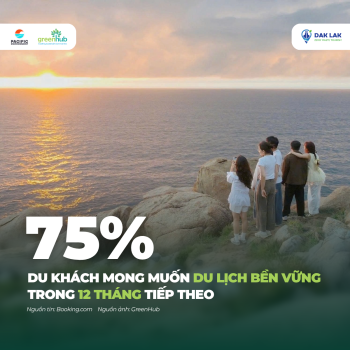
🔹 75% of travelers express a desire to travel more sustainably over the next 12 months.
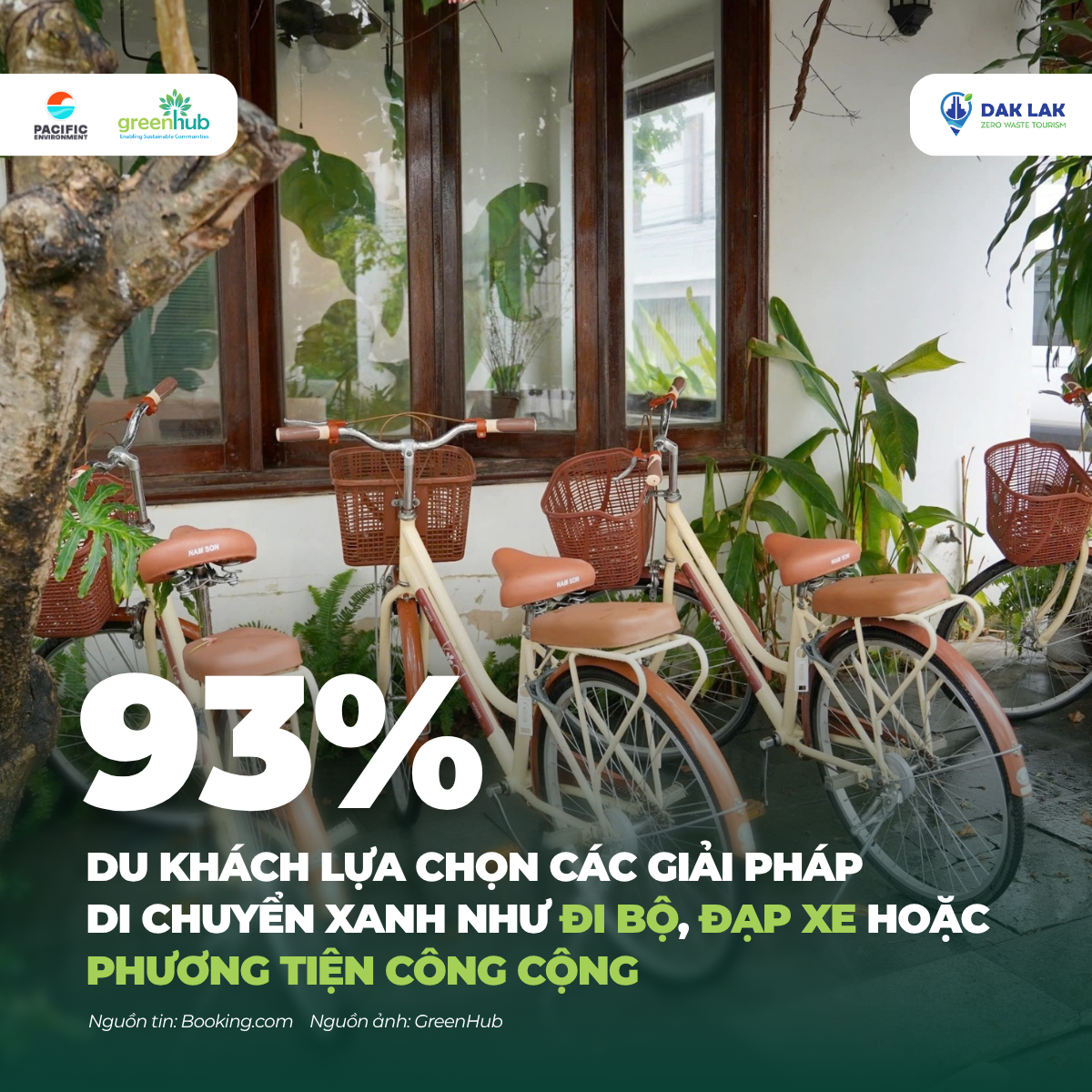
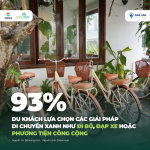
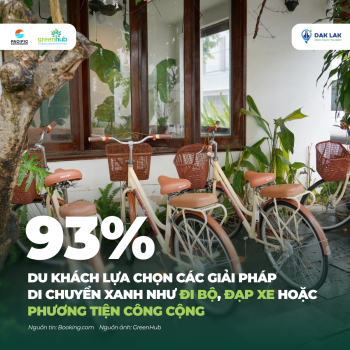
🔹 93% of travelers opt for green transportation options, such as walking, cycling, or utilizing public transit during their journeys.
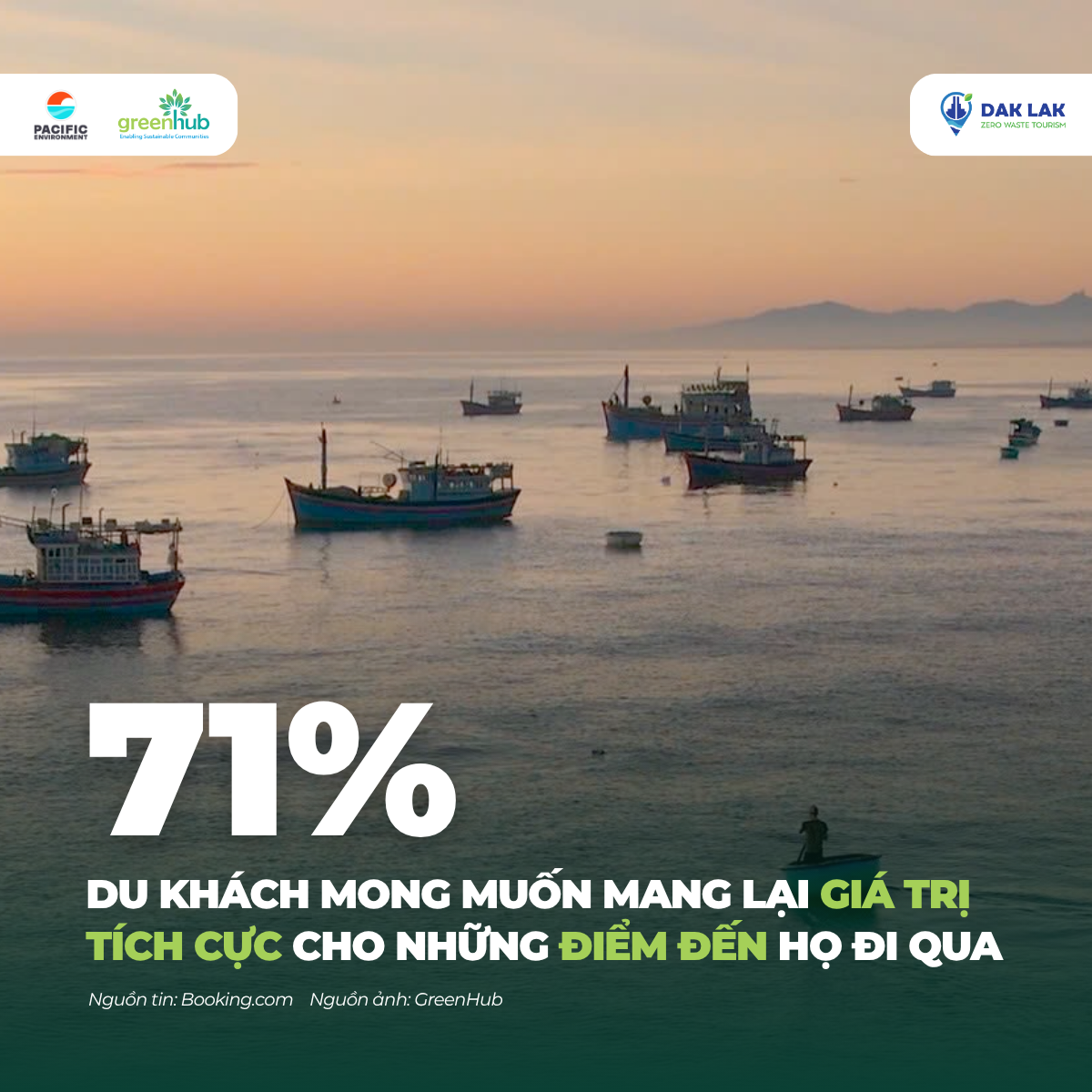
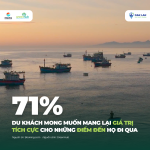
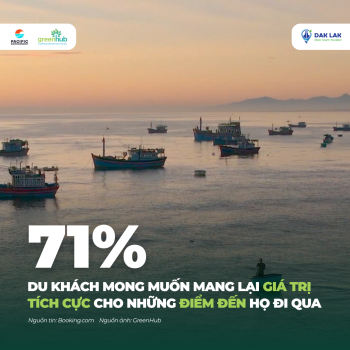
🔹 71% of travelers aim to leave the destinations they visit better than they found them.
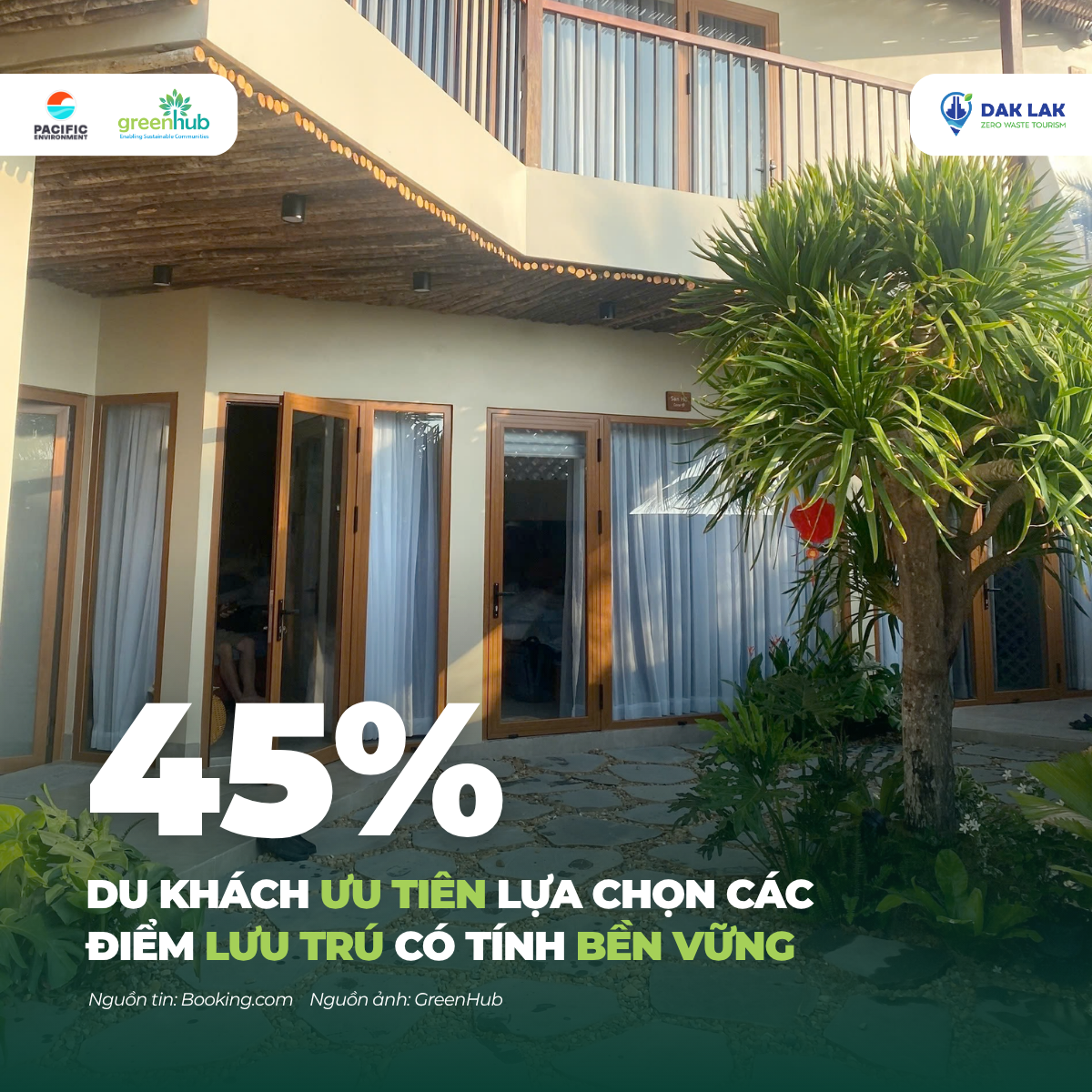
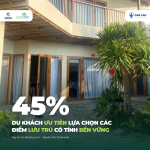
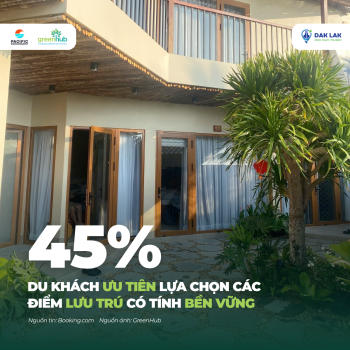
🔹 45% of travelers prioritize sustainable accommodations.
📌 These findings indicate that sustainability-focused models, such as zero waste tourism, are becoming both a global trend and a major opportunity for the tourism sector in Vietnam and worldwide. While the environmental, health, and social tolls of bucking this trend have been widely discussed, what are the economic implications?
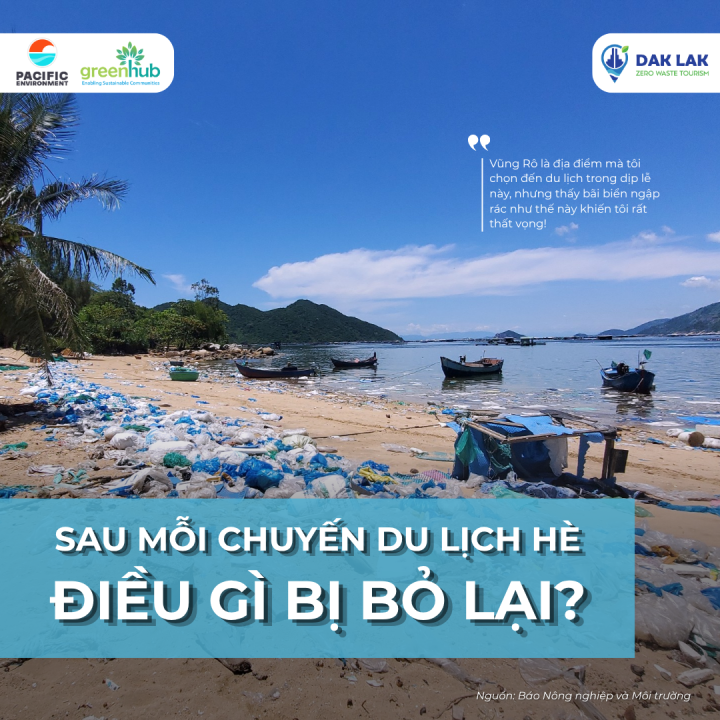
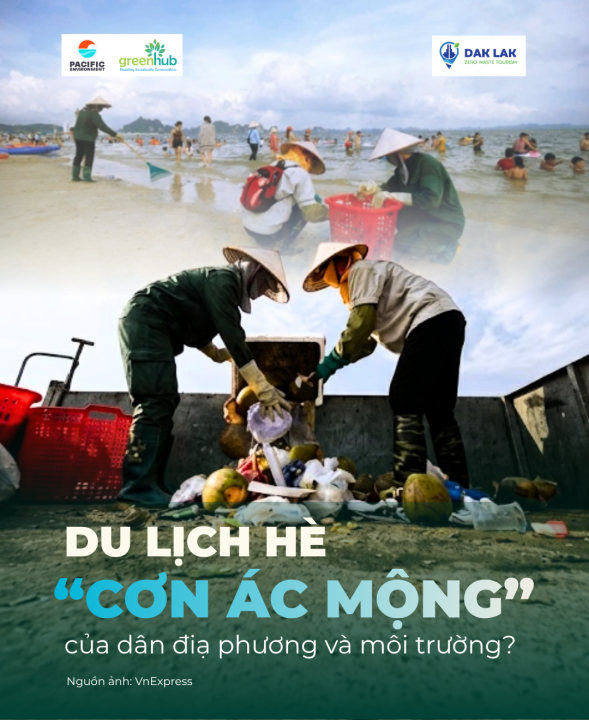
📊 According to a study by the United Nations Development Programme (UNDP), Da Nang - one of Vietnam’s flagship tourism hubs - could incur estimated losses of approximately VND 772 billion annually from waste collection, pollution treatment, and urban infrastructure maintenance if no action is taken. This loss represents the "Cost of Inaction" (COI), defined as the potential damages a locality faces when maintaining the status quo. It highlights that waste pollution is not merely an environmental crisis, but also a massive economic challenge.
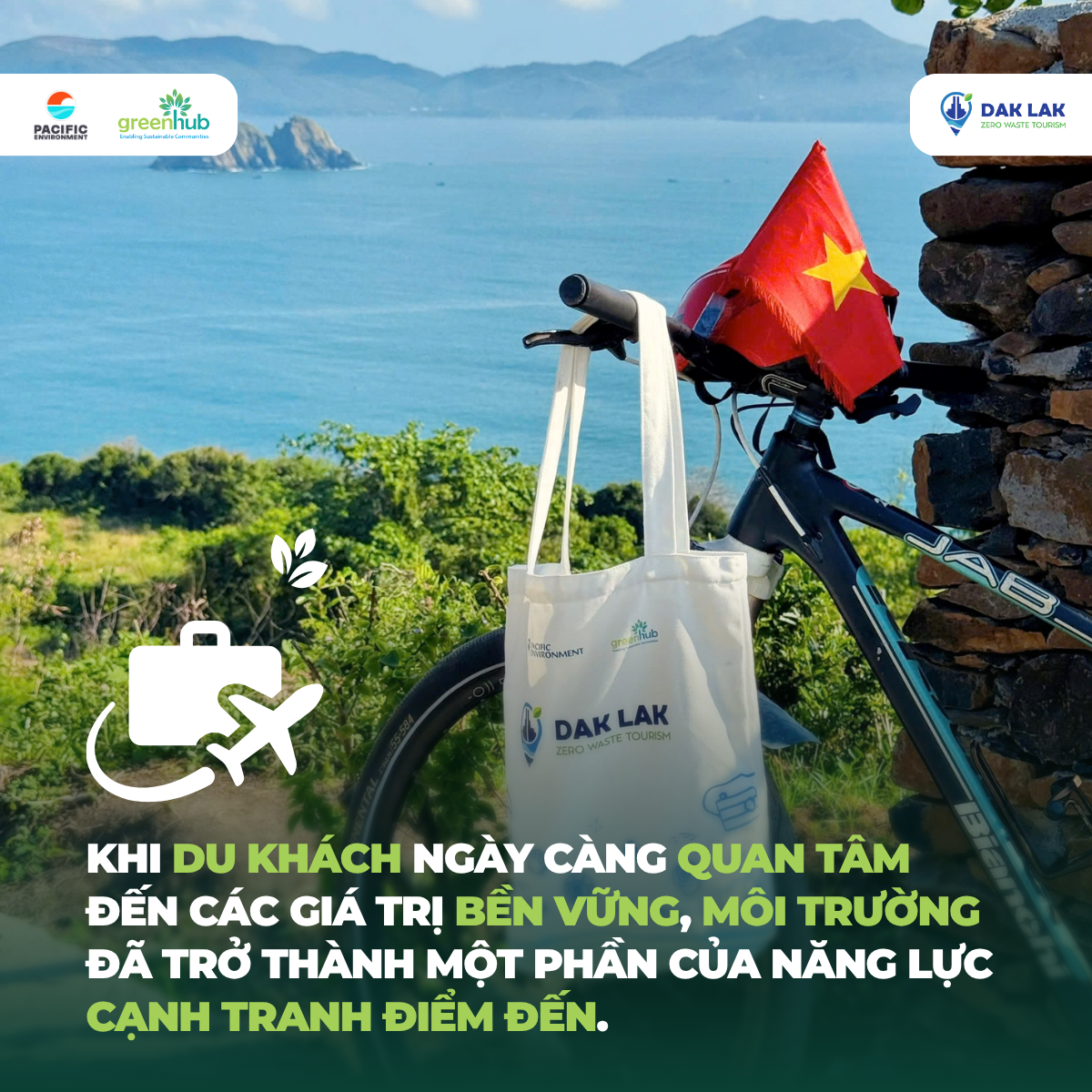
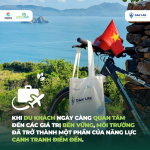
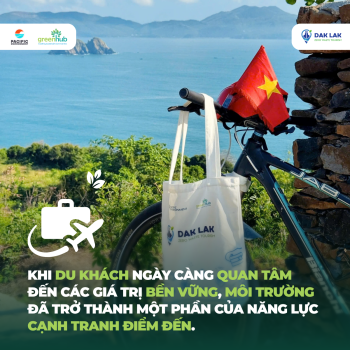
⛰ As travelers place growing emphasis on sustainable values, the environment is no longer just a supporting backdrop - it has become a core component of a destination's competitiveness. Localities that preserve their ecosystems and natural identity, along with hospitality businesses geared toward sustainability, hold a significant advantage in attracting visitors, boosting return rates, and building a stellar long-term reputation.
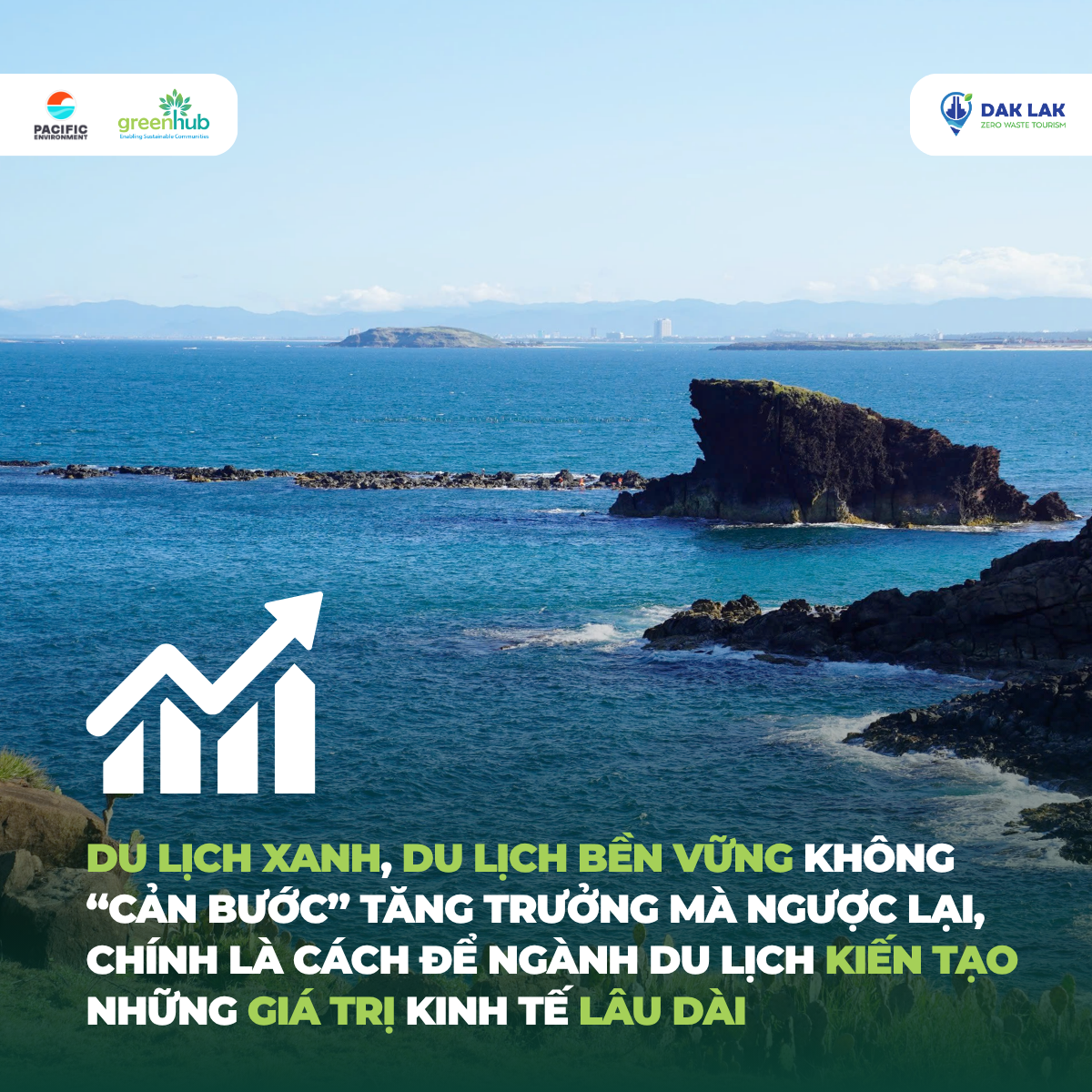
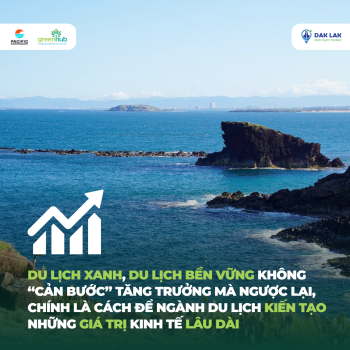
🤝 Zero waste tourism do not hinder growth; on the contrary, they offer a pathway for the tourism industry to generate long-term, sustainable economic value. Yet, this responsibility does not rest solely with local authorities, businesses, or policymakers. Every traveler plays a vital role in this journey. The sustainability of a destination is not built upon paper commitments, but nurtured by the small, everyday actions of millions of people throughout their travels.
#DakLakZeroWasteTourism #DuLichKhongRac #GreenHub