


12 Permaculture Design Principles – The Path to Sustainability
“Permaculture agriculture is built upon the relationships between plant and animal communities and the natural cycles within a specific region—benefiting humans while not destroying the local ecosystem.”
— David Holmgren
Because of this, permaculture systems vary depending on geography, climate, and local needs. Different locations require different combinations of plants and ecosystems. This means practitioners must carefully study and design systems suited to local conditions, rather than copying models from elsewhere.
Although there is no single universal implementation method, permaculture is guided by 12 universal design principles, closely connected to its core ethics.
These principles act as a set of thinking tools. When applied together effectively, they help us redesign our environments and behaviors in a world where energy and natural resources are increasingly limited. Each principle can be seen as a doorway into a way of thinking, offering different perspectives that can be applied through various strategies.
1. Observe and Interact
“Beauty is in the eye of the beholder.”
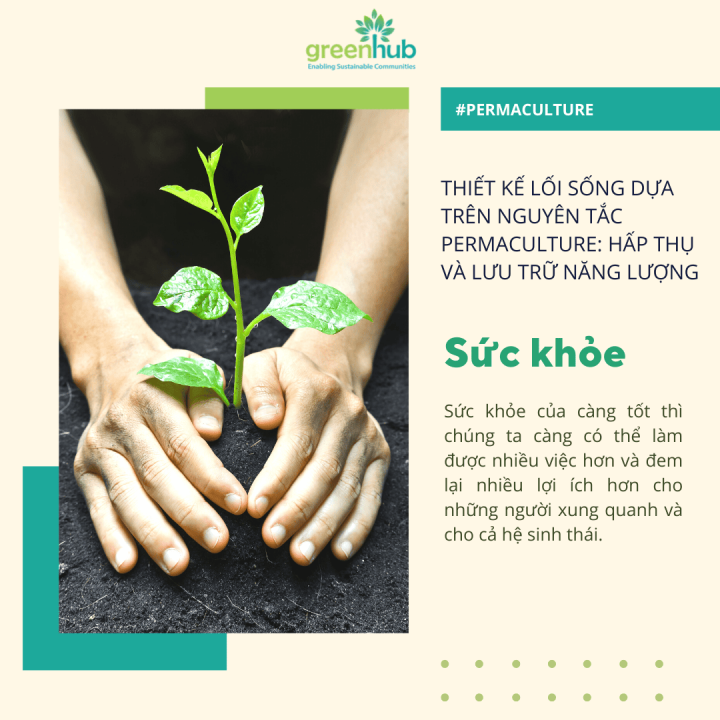
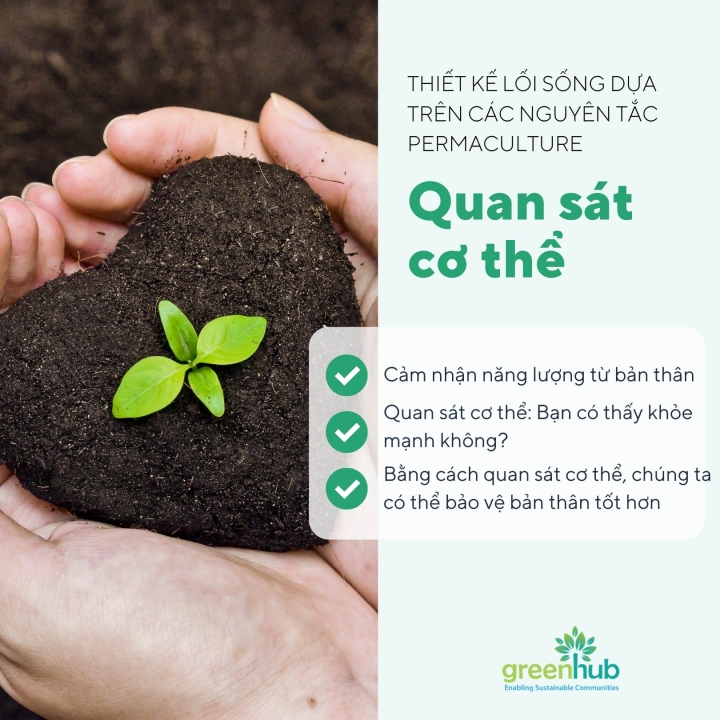
Spending time interacting with and immersing ourselves in nature—studying landforms, soil quality, water sources, sunlight patterns, wind cycles, and the communities of plants, animals, and microorganisms—allows us to better understand the principle of Earth Care.
The more thoroughly an area is studied, the fewer mistakes are made when implementing practical solutions.
2. Catch and Store Energy
“Make hay while the sun shines.”
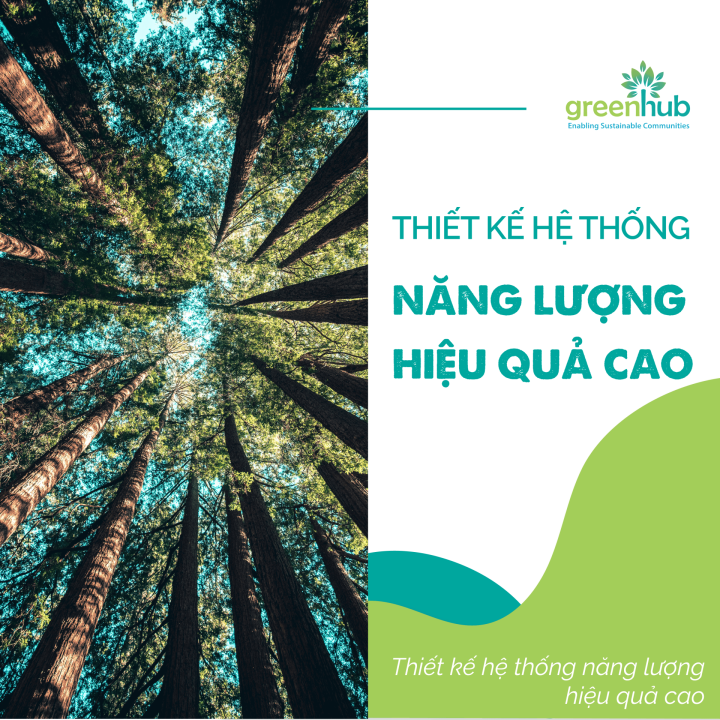
By designing systems that capture and store resources, we can reduce reliance on external inputs.
Energy stored in plant biomass can provide food, building materials, and shelter, while also increasing the system’s ability to store even more energy over time.
3. Obtain a Yield
“You can’t work on an empty stomach.”
Permaculture systems not only provide food but can also generate many other forms of yield, including both material and non-material benefits, such as:
-
Flowers for decoration or fragrance extraction
-
Herbs rich in essential oils and medicinal properties
-
Beautiful natural landscapes that promote mental well-being
-
Communities working together toward sustainable living
4. Apply Self-Regulation and Accept Feedback
“The sins of the fathers are visited upon the children.”
Negative consequences often take time to become visible. Therefore, we must carefully regulate our consumption and emissions, reflecting both Earth Care and People Care.
Self-regulation means observing how a designed permaculture system operates, accepting feedback—both positive and negative—and continuously improving the system through learning and adaptation. This helps determine the necessary level of human intervention, saving time and increasing system efficiency.
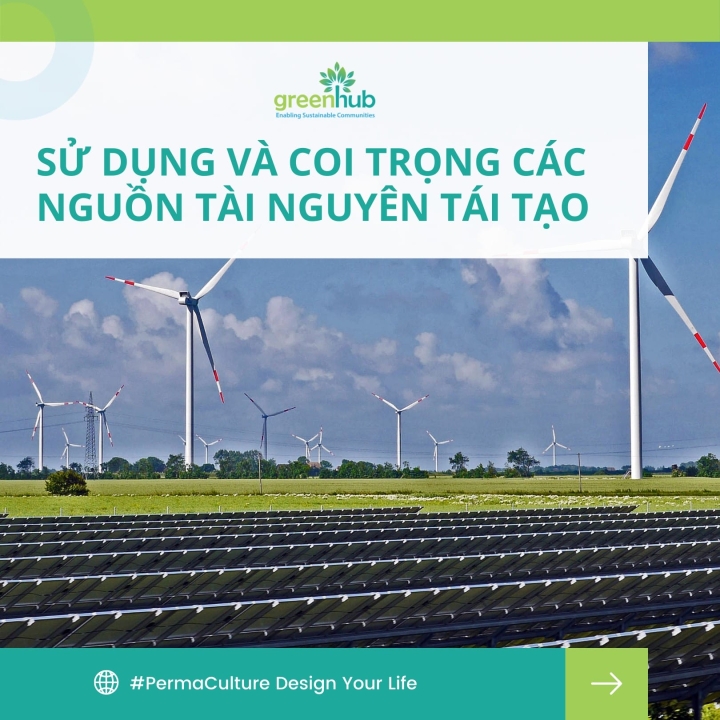
5. Use and Value Renewable Resources and Services
“Let nature take its course.”
Trying to control nature through excessive resource use and high technology is often costly and environmentally harmful. Instead, we should make the best use of nature’s abundance and reduce dependence on non-renewable resources like coal, oil, and gas.
For example:
-
Planting basil as ground cover to reduce water evaporation
-
Growing bamboo near ponds to prevent soil erosion during the rainy season
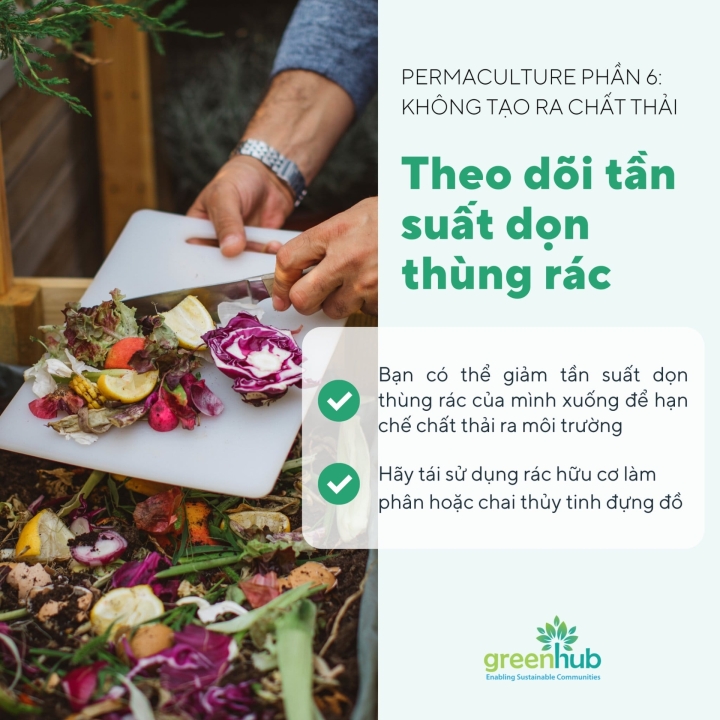
6. Produce No Waste
“Waste not, want not.”
When all resources are valued and utilized wisely, nothing becomes waste. In permaculture systems, every output can become an input for another process, returning to the ecosystem cycle and providing nutrients for plants and animals.
7. Design from Patterns to Details
“Can’t see the forest for the trees.”
By stepping back, we can observe recurring patterns in nature and society.
First, we analyze climate, terrain, water systems, and ecology to gain an overall understanding of the environment and its resilience. Then we design based on those patterns. These patterns form the backbone of the system, while details are added gradually during implementation.
8. Integrate Rather Than Segregate
“Many hands make light work.”
When elements are placed appropriately, their relationships strengthen and support each other. No element interacts with only one other element.
For example:
-
A fig tree planted near a pond helps prevent soil erosion.
-
Fallen figs become food for fish in the pond.
-
A chicken coop under the fig tree benefits from shade and cooler temperatures.
-
Chicken manure and pond water fertilize the nearby vegetable garden.
9. Use Small and Slow Solutions
“Slow and steady wins the race.”
Small, gradual systems are easier to maintain, use local resources more effectively, and produce more sustainable outcomes.
For example, harvesting some trees at the forest edge for fencing, replacing them with long-lived hardwood trees, and planting new fence trees to replace old ones as they decay demonstrates long-term, gradual sustainability.
10. Use and Value Diversity
“Don’t put all your eggs in one basket.”
Biodiversity creates healthy ecosystems. Diversity in crops, energy sources, and livelihoods increases resilience.
If one part of a system fails, other parts can continue to thrive, ensuring stability.
11. Use Edges and Value the Marginal
“Don’t think you’re on the right track just because it’s a well-worn path.”
The intersections between systems are often where the most interesting interactions occur. These edge areas are usually the most diverse, productive, and valuable parts of ecosystems and can support multiple layers of vegetation for harvesting.
12. Creatively Use and Respond to Change
“Vision is not seeing things as they are, but as they will be.”
Change is inevitable. By observing carefully and intervening at the right moment, we can influence change positively.
Sometimes new zones appear unexpectedly within our designs. With creativity, we can adapt plants and animals to those zones, often producing results far beyond the original design expectations.
References
-
Educational Materials for Integrating Ecological Lifestyles into Youth Programs – Topic: Understanding Permaculture, Center for Environment and Community Initiatives (C&E)
-
https://tuoithongminh.com/phat-trien-mo-hinh-nong-nghiep-ben-vung-voi-he-sinh-thai-permaculture-n102
-
https://www.permaculture.co.uk/articles/what-permaculture-part-2-principle