


Zoning in Permaculture
Zoning is an important and practical technique in designing a permaculture system. Zones are planned based on how frequently humans need to access them and how efficiently energy and resources can be used.
Areas that require frequent use or management are placed closer to the home, while areas requiring little or no human intervention are located further away.
However, these zones are conceptual guidelines rather than fixed boundaries. They can shift and adapt depending on the needs of the people managing the system. In other words, zoning in permaculture is flexible rather than rigid.
The zones are typically numbered from Zone 0 to Zone 5.
Zone 0
Zone 0 is the starting point. It is your home, where you live and where most daily activities occur.
This zone should be designed to:
-
Reduce water and energy consumption
-
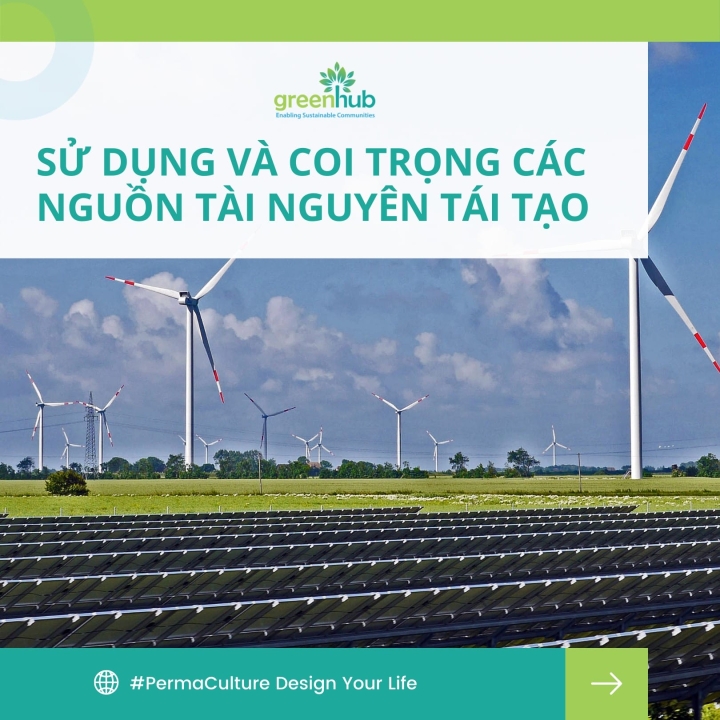
Efficiently capture natural resources such as rain, wind, and sunlight
-
Create a harmonious and sustainable environment for living, working, and resting
Zone 1
Zone 1 is the area closest to the home. This is where gardens and small-scale farming activities are usually located.
It has a symbiotic relationship with the activities in Zone 0. Elements in this zone require frequent attention or daily visits, such as:
-
Vegetable gardens
-
Herb gardens
-
Greenhouses
-
Compost bins
Zone 2
Zone 2 is an area that is used regularly but not as frequently as Zone 1.
It usually contains larger elements that require ongoing but less frequent care, such as:
-
Long-term or perennial crops
-
Fruit orchards
-
Beehives
-
Ponds
-
Livestock shelters or poultry areas
Zone 3
Zone 3 marks the beginning of areas that require less maintenance.
Typical elements in this zone include:
-
Staple food crops
-
Larger orchards
-
Tall trees
-
Pastures and grazing areas
-
Edge zones for livestock grazing
-
Trees used as animal fodder
-
Small dams for water storage and animal water supply
Vegetation in this zone is often used for ground cover. Crops here generally do not require pruning or frequent maintenance, though during harvest season more time may be spent in this area.
Zone 4
Zone 4 is a semi-managed area. Human intervention is minimal.
This zone is suitable for:
-
Wild edible plants
-
Timber production trees
-
Foraging areas for animals
-
Natural grazing land
It is typically a semi-wild forest area that is managed lightly, allowing natural regeneration processes to occur.
Zone 5
Zone 5 is the completely wild area, where no human intervention takes place.
This is the zone where we do nothing and allow nature to function on its own. Humans act only as observers, learning from the natural cycles and processes occurring in an undisturbed ecosystem.
Why Zoning Matters
Zoning is a powerful design tool in permaculture. It is often used together with other design tools such as planning, system analysis, and mapping relationships between elements.
Together, these tools help create an efficient and sustainable permaculture system for farms, gardens, or larger landscapes.
Follow the Permaculture series to continue learning about the principles and practical applications of this sustainable agricultural system.
References
-
Earth User’s Guide to Permaculture (Second Edition) – Rosemary Morrow
-
Introduction to Sustainable Agriculture – Bill Mollison & Reny Mia Slay
-
Educational Materials for Integrating Ecological Lifestyles into Youth Programs – Topic: Understanding Permaculture – Center for Environment and Community Initiatives (C&E)
-
https://worldwidepermaculture.com/five-zones-permaculture-zero-one/
-
https://worldwidepermaculture.com/the-five-zones-of-permaculture-zones-two-to-five/