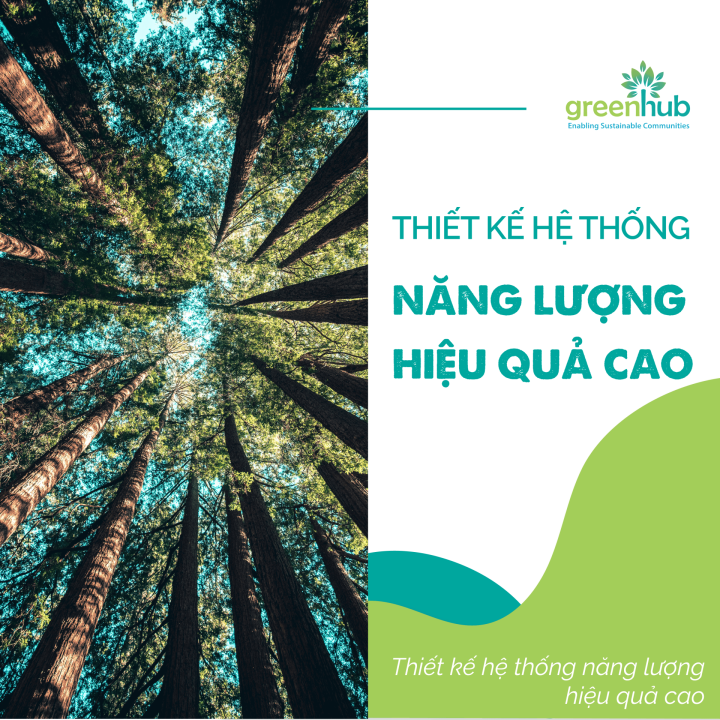



Energy in Permaculture – Part 2: Permaculture Farming and Climate Change Mitigation
“How do we transform the 950 million to 1.1 billion acres of degraded farmland around the world into productive agricultural land again? Permaculture can do that.”
— Christopher Nesbitt, speaking at the 2018 MOSES Organic & Sustainable Farming Conference
Energy Balance Within the System
In conventional agriculture today, farmers and producers often focus on improving efficiency by increasing yields compared to energy inputs. However, permaculture systems go further by working with nature rather than against it, allowing the system itself to meet much of its own energy needs.
Because of this design approach, energy within a permaculture system tends to remain balanced and efficiently used. The goal is to achieve the highest productivity with the lowest external energy input.
Continuous energy cycling and resource reuse within permaculture systems support long-term sustainability. Nutrient loss in agricultural production is minimized, while communities benefit from diverse and resilient food systems that are less dependent on global market distribution.
Permaculture Farming Helps Reduce Climate Change
The loss of biodiversity in industrial agriculture has become a major global concern. Modern farming often focuses on cultivating only a few crop species while relying heavily on:
-
Chemical fertilizers
-
Pesticides
-
Expensive imported seeds
As a result, traditional local crop varieties are gradually disappearing, and ecosystems become less resilient.
In addition, modern farms contribute significantly to greenhouse gas emissions. Integrating permaculture principles into agricultural systems can help reduce the impact of climate change.
Permaculture achieves this through:
-
Energy cycling within the system, reducing waste and external inputs
-
Efficient use of natural resources
-
Soil restoration and nutrient retention
-
Diversified crops and ecosystems
These practices help farms maintain productivity while reducing their environmental footprint.
A System That Works Anywhere
One of the unique strengths of permaculture is its adaptability. Permaculture design principles can be applied to:
-
Any landscape
-
Any climate
-
Any region in the world
By optimizing energy flows and designing systems that mimic natural ecosystems, permaculture supports long-term ecological balance and helps protect biodiversity.
Through these strategies, permaculture can contribute meaningfully to climate change mitigation and sustainable environmental conservation.
Follow the Permaculture series to continue learning about the principles and practical applications of this sustainable agricultural system. 🌱
Sources





























![[Recap] The event](https://cdn8774.cdn4s10.io.vn/thumbs/upload-files/anh-bai-viet/linh/damen/recap-28-2-25/1_thumb_720.png)






































![[/HēRōS/: ZERO – HEROES OF ZERO] For a Green Ha Long – Mr. Nguyen Duc Hai, Quarter 2, Ha Trung Ward](https://cdn8774.cdn4s10.io.vn/thumbs/article_img_avatar/So-18-01_thumb_720.png)
![[/HēRōS/: ZERO – HEROES OF ZERO] Women’s Union of Quarter 5, Hong Hai Ward](https://cdn8774.cdn4s10.io.vn/thumbs/article_img_avatar/So-16-01_thumb_720.jpg)
![[/HēRōS/: ZERO – HEROES OF ZERO] Women’s Union of Quarter 2A, Cao Thang Ward](https://cdn8774.cdn4s10.io.vn/thumbs/article_img_avatar/So-17-01_thumb_720.png)
![[/HēRōS/: ZERO – HEROES OF ZERO] Meeting the Champions of GreenTalk 2021 – The “Green Quartet” Team](https://cdn8774.cdn4s10.io.vn/thumbs/article_img_avatar/So-11-01_thumb_720.jpg)


![[/HēRōS/: ZERO – HEROES OF ZERO] GreenTalk 2019 Runner-up Nguyễn Thị Hoàng Anh – A Seed That Has Sprouted](https://cdn8774.cdn4s10.io.vn/thumbs/article_img_avatar/So-5-01-min_thumb_720.jpg)