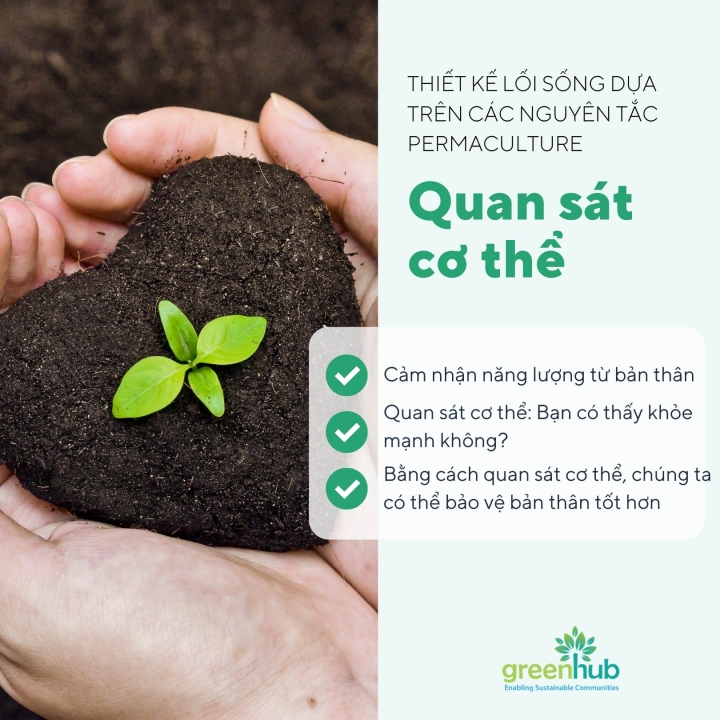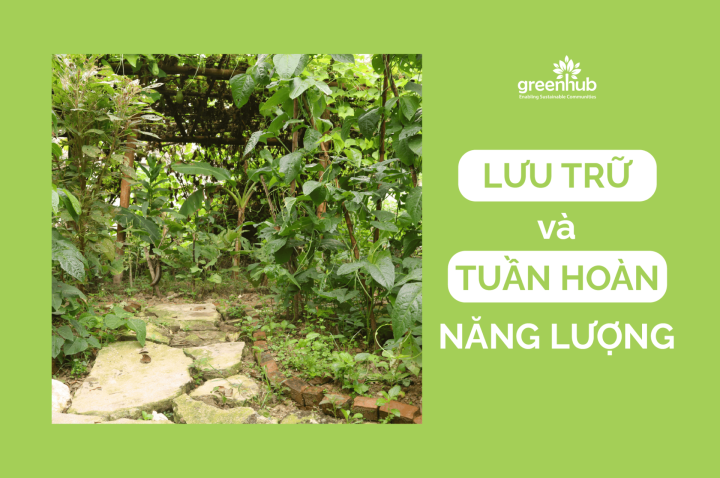



Taking time to self-regulate and accept feedback about what works and what does not is a key part of growth in the natural world. This is how nature adjusts imbalances, especially when environmental conditions such as climate change occur.
Permaculture works in the same way. It is a constantly evolving system that continuously receives feedback and adapts, ensuring that designs remain effective as conditions change in a garden or ecosystem.
We can apply this principle to our own lives in several ways.
1. Self-Awareness
All of us are influenced by the environments we live in. This is simply how natural systems function.
However, it is important to reflect on whether your beliefs, preferences, opinions, and values come from your own thinking or are shaped mainly by those around you.
By developing stronger self-awareness, we can better understand why we see the world in certain ways and decide whether those perspectives truly align with our personal circumstances.
Being influenced by others is natural, but it is also important to have the strength to remain an independent individual who clearly understands their own values and identity.
2. Developing Self-Reliance
Nature does not require “gardeners” to keep plants and animals healthy and abundant. Natural ecosystems maintain themselves through interconnected relationships.
Humans can learn a great deal from this process. Instead of relying entirely on money to purchase goods and services, we can develop skills that allow us to become more self-sufficient.
For example:
-
Growing your own food
-
Repairing household items when they break
-
Building simple furniture
-
Creating pottery, crafts, or art
We do not need to do everything ourselves, but we can begin to develop greater independence. This not only supports a more sustainable lifestyle but also provides personal satisfaction and improved mental well-being.
3. Community
Can we create stronger self-regulating systems within our communities?
When we support and consume locally produced goods or products from socially responsible businesses, those businesses are more likely to thrive. By choosing to shop locally, we help strengthen a sustainable local economy.
If we think of money as a type of nutrient flowing through a system, it becomes clear that how we spend it directly influences our communities.
-
Spending money on unethical products supports harmful industries.
-
Supporting sustainable or socially responsible businesses helps create positive environmental and social impacts.
By making mindful choices about where our money goes, we contribute to building healthier and more resilient communities.
4. Accepting Feedback
Take time to review different areas of your life and ask yourself what is working and what is not.
This reflection can apply to:
-
Personal projects
-
Side businesses
-
Exercise routines
-
Relationships
-
Education or skill development
Be open to feedback about how these areas are functioning. Accepting feedback does not mean abandoning things that are not working well. Instead, it allows us to step back, observe, and redesign our habits to improve productivity and balance.
Permaculture gardeners frequently apply this process when improving their gardens, yet many people rarely take the time to apply the same method to their own lives.
Source:
Designing Your Life with Permaculture — Josh David
https://www.permaculture.co.uk/Designing-Your-Life-Permaculture
This article is part of the Permaculture series, which shares methods for designing sustainable lifestyles and practicing regenerative agriculture based on permaculture principles. 🌱