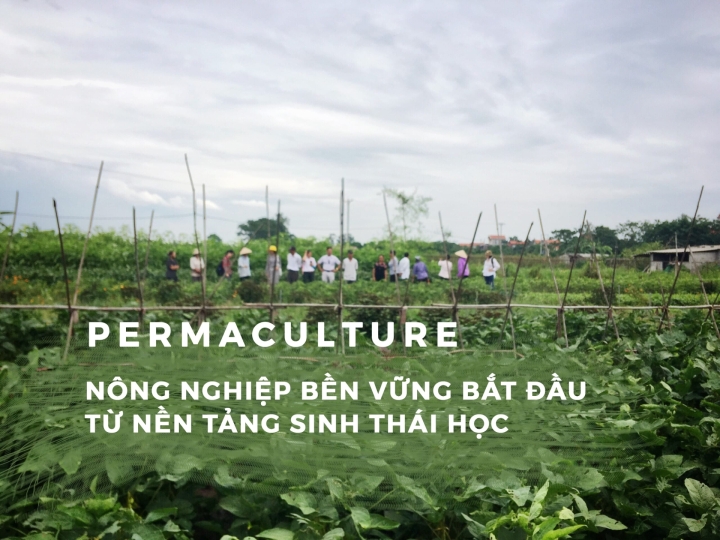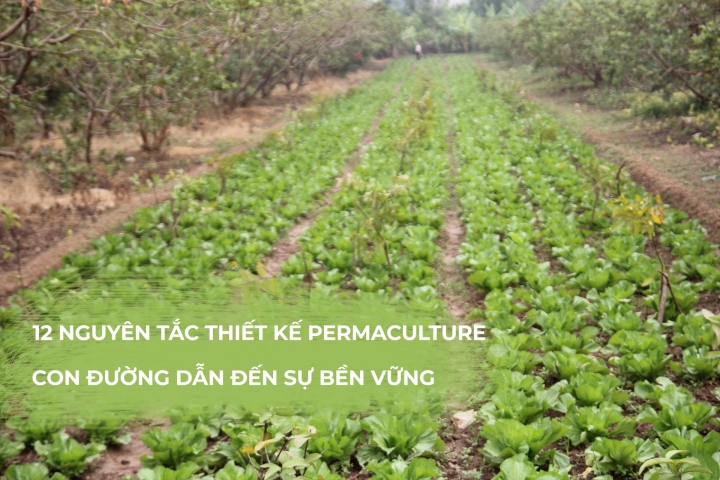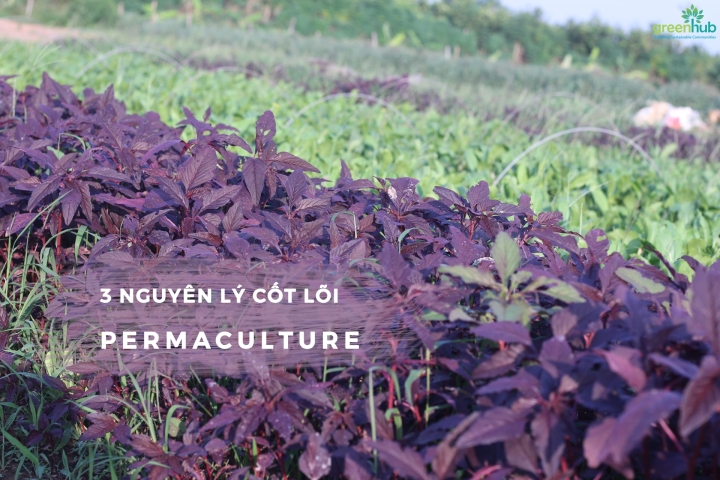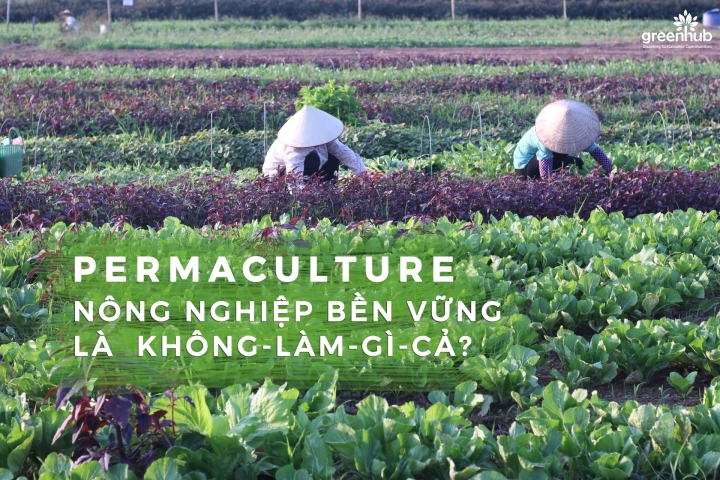



“It’s not the soil itself – it’s the soil life that is the most important element.”
— Geoff Lawton
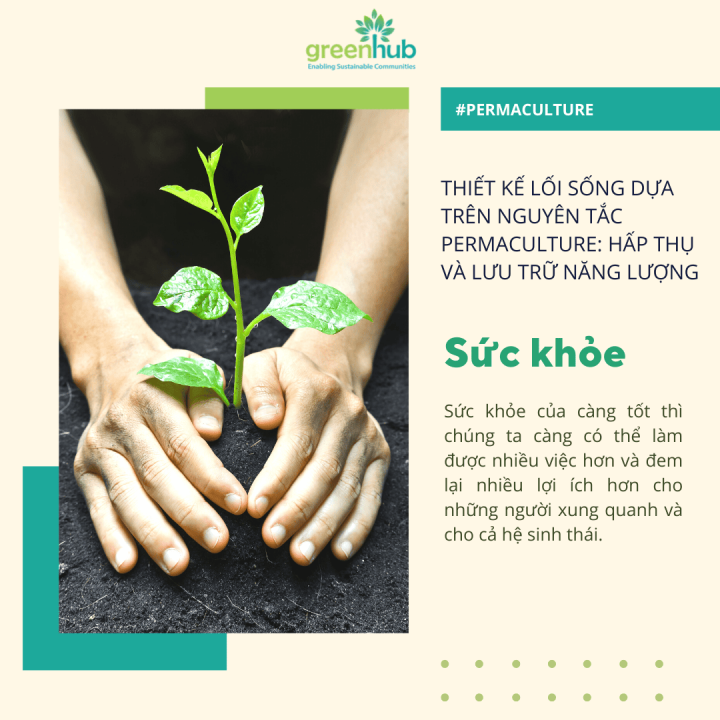
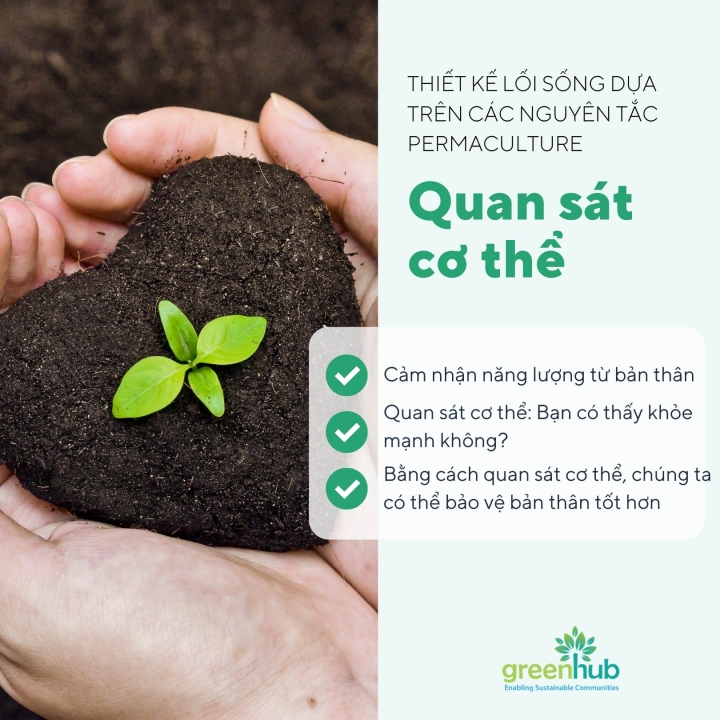
If you want to start practicing permaculture, one of the most important elements to focus on is soil. Soil forms the foundation of all life on Earth. It has the ability to recycle waste, support plant growth, store and filter water, and sustain countless organisms.
Healthy soil contains a balanced composition of water, air, minerals, living organisms, and decomposing organic matter. All of these components interact with each other to create and sustain soil life.
What Is Degraded Soil?
Soil degradation can happen for many reasons, but one of the most common causes is the removal of natural vegetation cover. Except in natural deserts, soil is almost always protected by plants.
In efforts to increase agricultural yields, land is often plowed and cleared, destroying natural vegetation. This drastically alters the natural environment. For thousands of years, soil evolved through interactions between plants, air, and water, but these relationships have been disrupted by modern agricultural practices—especially monoculture systems and heavy use of chemical fertilizers.
These practices are among the leading causes of severe soil degradation today.
The Permaculture Goal: Restoring Soil Health
In permaculture systems, the goal is to restore degraded soils while allowing naturally balanced ecosystems—such as wetlands, deserts, and mountainous areas—to develop without unnecessary interference.
At the same time, permaculture encourages efficient use of nutrients to avoid pollution. This is achieved by growing diverse plant species, where each species absorbs different nutrients from the soil.
Depending on climate and site characteristics, there are many ways to improve soil. However, organic matter is always the most effective tool for soil restoration. The following techniques help increase organic matter and improve soil fertility.
1. Green Manure
This technique involves growing plants specifically to cut and incorporate back into the soil, creating high-quality organic matter.
Green manure crops are usually pruned two or three times during growth, and then chopped and buried in the soil before flowering and seed formation. This process improves soil structure and enriches soil nutrients.
2. Nitrogen-Fixing Plants
Nitrogen-fixing plants form a symbiotic relationship with Rhizobium bacteria in their root systems. These bacteria convert atmospheric nitrogen into a form that plants can use and release unused nitrogen into the surrounding soil.
Their roots typically contain small white nodules, which appear pink or reddish inside when cut open.
Examples of nitrogen-fixing plants include:
-
Legumes (beans and peas)
-
Acacia species
-
Other plants with pea-shaped flowers
These plants naturally enrich soil fertility.
3. Cover Crops
Cover crops function similarly to green manure, helping to improve soil structure while also producing edible yields.
They are particularly useful for compact or hardened soils. Their root systems loosen the soil, allowing better airflow and water penetration, while protecting the soil surface from erosion and hardening.
Typical cover crops include plants from the gourd family and various root crops such as sweet potatoes.
4. Mulching
Mulch acts as a protective layer covering the soil, reducing extreme temperature fluctuations during both summer and winter.
Mulching also:
-
Prevents soil erosion
-
Retains soil moisture
-
Suppresses weed growth
When organic materials such as dry grass, straw, or old newspapers are used as mulch, they gradually decompose and add organic matter and nutrients back into the soil.
5. Animal Manure
In permaculture systems, animals are an essential component. They perform many functions within the ecosystem, including providing natural fertilizer through manure.
Animal manure enriches the soil with nutrients and helps sustain plant growth, creating a closed-loop nutrient cycle within the permaculture system.
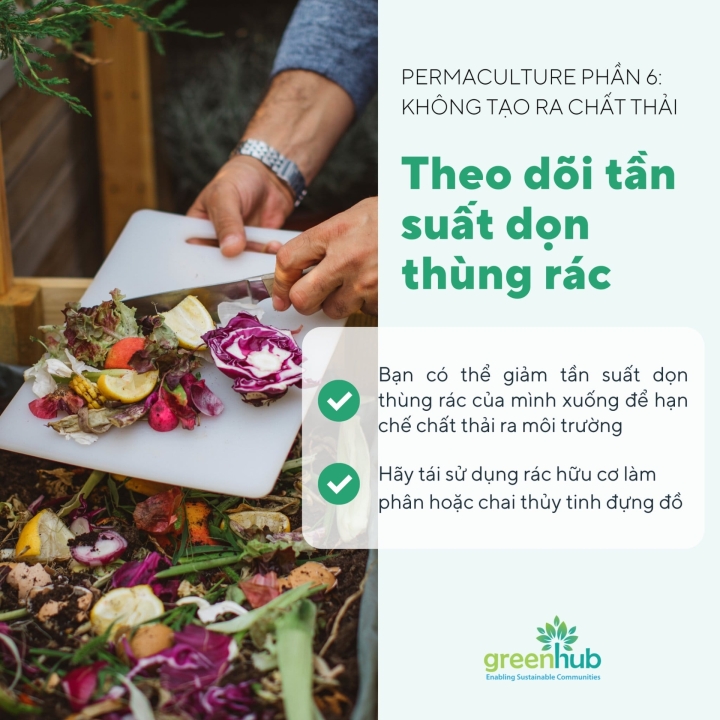
Follow the Permaculture series to continue learning more about the principles and practical applications of this sustainable agricultural system.
References
-
Earth User’s Guide to Permaculture (Second Edition) – Rosemary Morrow
-
Introduction to Sustainable Agriculture – Bill Mollison & Reny Mia Slay
-
https://permaculturenews.org/2015/05/03/permaculture-soils-geoff-lawton/
-
https://permaculturenews.org/2017/08/11/soil-mineralisation-part-1-need-add-soils/
If you want, I can also help you standardize all the permaculture articles you translated into a consistent English series style (titles, tone, structure). That would make them much stronger for reports, websites, or international audiences. 🌱