


In Part 2 of the series “Designing Your Life with Permaculture Principles,” we will explore more deeply how capturing and storing energy can help us create the life we truly want.
All living organisms in nature are remarkably good at storing energy—except humans.
Animals constantly conserve energy and maintain their health through the energy they store. While humans have developed many impressive technologies that help save and store energy, we have also created technologies that waste enormous amounts of energy. What we need is a system where energy is used more efficiently, creating long-term benefits for health, material well-being, and overall quality of life. The more we reuse and conserve energy, the healthier our ecosystems become.
In today’s article, Permagazine shares several ways we can capture and store energy from the natural world and apply these ideas to our daily lives.
1. Health
Health is one of the most valuable assets in life.
Yet many people tend to neglect their health due to limited time. Common excuses include:
-
“I don’t have time to exercise.”
-
“I don’t have time to prepare healthy meals.”
The truth is that the healthier we are, the more energy we have to contribute to our communities and ecosystems. Taking care of our health is therefore one of the most important ways to store personal energy.
2. Physical Fitness
Physical fitness is closely related to health, but at a higher level.
When we maintain a strong and flexible body, we store more usable energy. For example:
-
If you can run ten miles, you have strong mobility.
-
If you can lift heavy objects, you have physical working capacity.
Humans evolved to be among the most versatile athletes on Earth. We can run, jump, climb, swim, and adapt to many environments. However, many people rarely use these abilities today, which represents a waste of human potential and energy.
Maintaining physical activity allows us to store and access energy for many purposes.
3. Financial Stability
Money itself is not a form of energy, but it is a tool for exchanging and transferring resources in modern society.
In natural ecosystems, forests and living organisms cannot survive long without nutrients. Yet humans often live with financial debt for many years. This raises an important question: How can we manage our finances more sustainably?
A sustainable financial approach does not necessarily mean saving large amounts of money in the bank. Instead, it involves:
-
Spending more consciously
-
Planning for unexpected challenges such as illness or economic difficulties
-
Living within our means
This approach helps create financial resilience for difficult times.
4. Time
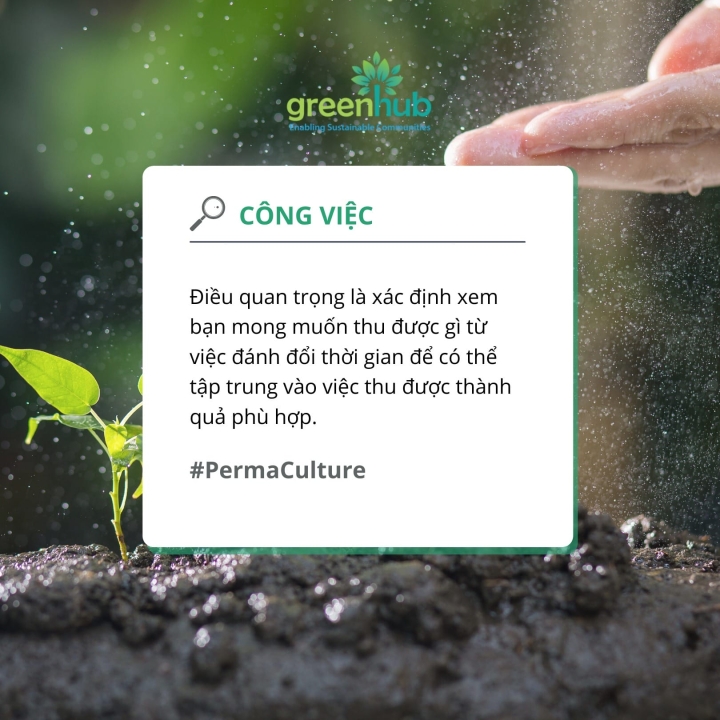
Time is a resource that no one can have more of.
From the moment we are born, our time slowly decreases. Spending time on activities that do not add value—or that negatively affect our lives—is essentially wasting a precious and non-renewable form of energy.
While saying “yes” to opportunities can be beneficial, it is equally important to observe how we use our time and learn when to say “no.”
This awareness allows us to allocate our time to activities that truly enrich our lives.
5. Energy Use
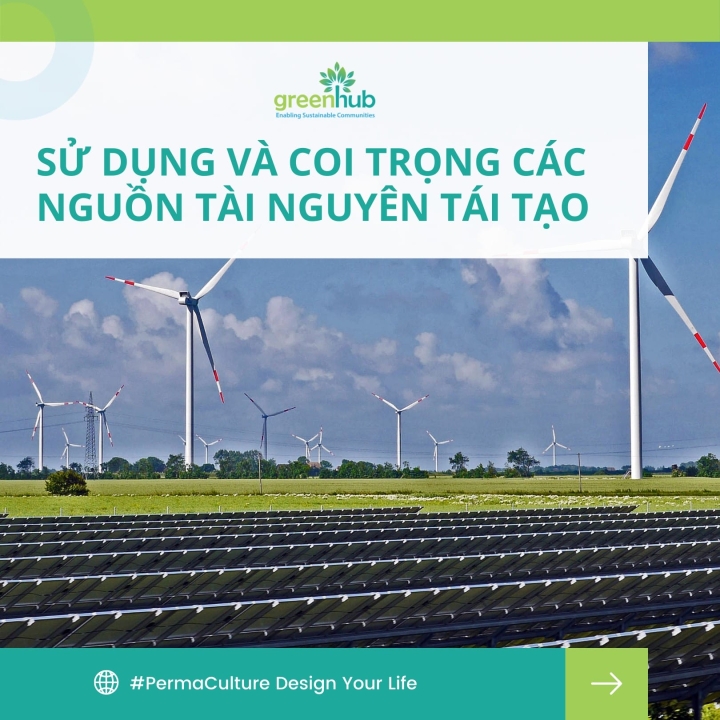
This is the most direct interpretation of the permaculture principle “Catch and Store Energy.”
Consider your personal consumption of:
-
Electricity
-
Water
-
Oil
-
Gas
Look for ways to reduce your overall energy use.
By doing so, you can:
-
Save money on utility bills
-
Improve your health
-
Reduce environmental impact
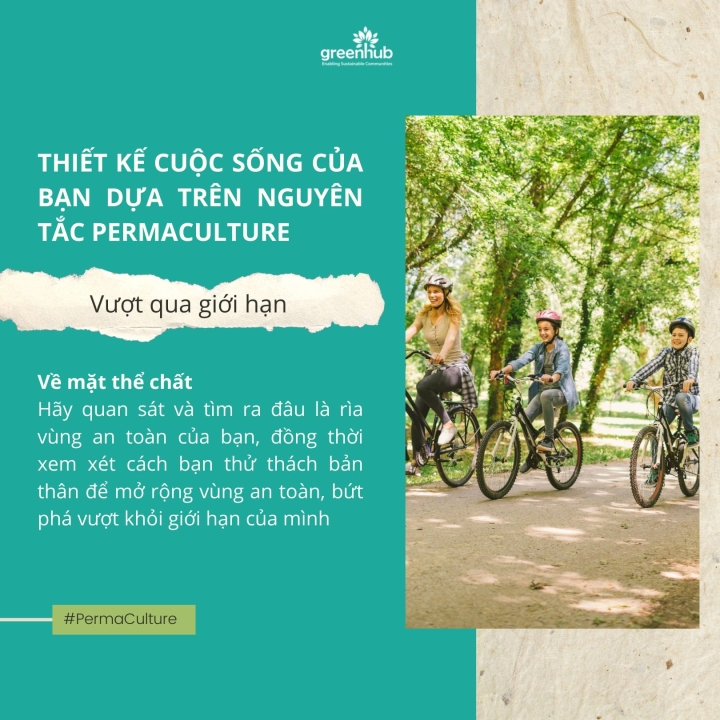
For example, you might choose to walk or cycle instead of driving, or adopt a simpler and more mindful lifestyle. Reducing energy consumption not only benefits individuals but also protects natural ecosystems.
If we strive to give more to the system than we take, Earth’s ecosystems can thrive in a more balanced and sustainable way.
Source:
Designing Your Life with Permaculture — Josh David
https://www.permaculture.co.uk/Designing-Your-Life-Permaculture
This article is part of the Permaculture series, which shares methods for designing sustainable lifestyles and practicing regenerative agriculture based on permaculture principles. 🌱