


Sustainable Eating: Applying Permaculture to Improve Our Diet
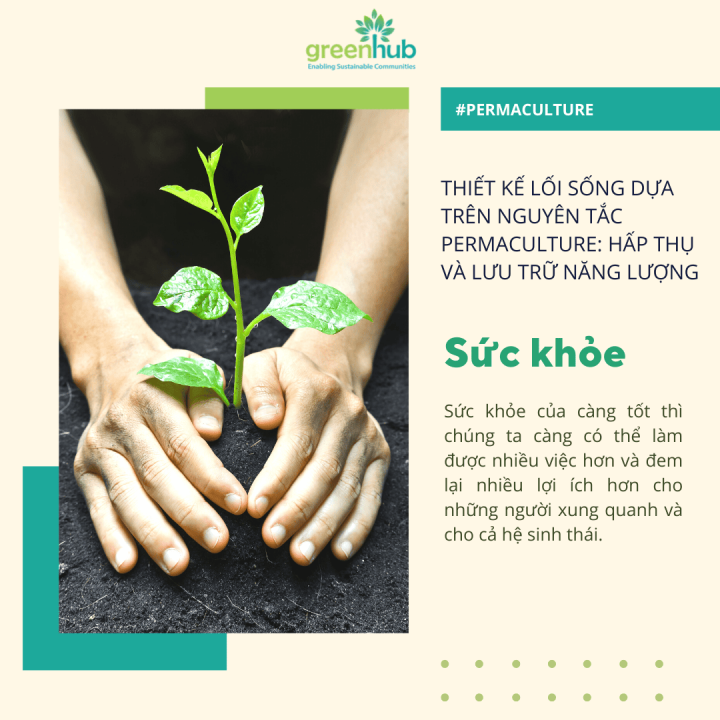
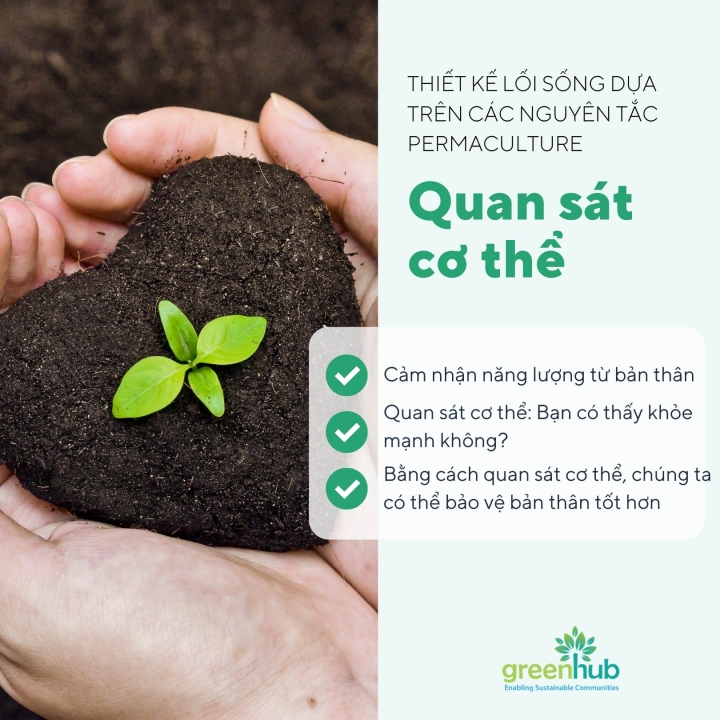
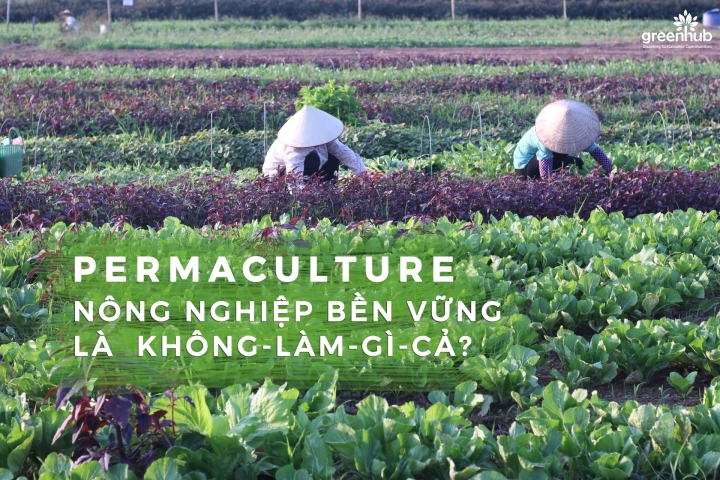
Permaculture principles act like a design lens through which we can apply sustainable thinking to many aspects of life. Whether it is managing land, shaping social structures at work, educating children, or organizing personal finances, permaculture can influence many areas of daily living. Because of its holistic nature, permaculture is not limited to agriculture—it can guide how we live, think, and make decisions.
One important area where these principles can be applied is our food choices. But is following a specific diet always the right solution? And how can permaculture help us make better decisions about what we eat?
Not Eating Meat? That’s One Possible Choice
Many permaculture courses observe that people who are interested in this design system often care deeply about the well-being of other living species on the planet. As a result, vegetarian or vegan diets sometimes become part of discussions within permaculture communities.
A plant-based (vegan) diet avoids all products derived from animals, including honey, eggs, and dairy. People who strictly follow this lifestyle may also avoid non-food animal products such as wool clothing or certain alcoholic beverages that are processed using animal derivatives.
For those who follow the ethical principle of “Earth Care”, choosing a vegetarian or vegan lifestyle can make sense. One way of caring for the Earth is by showing respect and compassion for all living beings and recognizing their role in the ecosystems we depend on.
As permaculture practitioner Helen from Veganic Permaculture expressed:
“I sang to the sea lions and they grumbled back. I danced on moss-covered cliffs and felt I was standing on something sacred. What more do I need to inspire me to wake up each day and serve the natural world and all the creatures within it?”
Connecting With the Web of Life
Recognizing and respecting the web of life means understanding that humans are only one part of a complex system of energy and relationships that exist in the natural world.
If we ignore this reality, even systems that appear successful—financially or technologically—may ultimately fail because they do not respect ecological balance.
Understanding this connection is not only theoretical. Reading about nature helps, but real understanding comes from direct experience—feeling connected to landscapes, plants, animals, and natural cycles.
When people experience this connection, they may respond in different ways. Some may decide to adopt a plant-based diet as part of creating a lifestyle that avoids the use of animal products.
How Life Sustains Life
However, another perspective recognizes a fundamental ecological truth: life is sustained by other life.
The mythologist Joseph Campbell reflected on this idea:
“Life lives on life.”
Even plants are living organisms. This means that eating—whether plants or animals—is always part of a larger natural cycle.
The challenge is not avoiding life entirely but reconciling our choices with ecological balance and ethical responsibility.
In modern industrial societies, animals are often raised in extremely confined conditions and processed into anonymous packaged products. This system raises serious ethical and environmental concerns.
Reducing or eliminating consumption of industrial animal products could therefore be one step toward addressing ecological imbalance.
The Question of Balance
When evaluating diets, permaculture also asks us to consider where our food comes from.
Many supporters of plant-based diets argue that all essential nutrients can be obtained without animal products. This can be true—many vegetarians live healthy lives.
However, some plant-based replacements depend heavily on industrial crops such as:
-
Soybeans
-
Wheat
-
Rice
These crops are among the most widely industrialized agricultural products in the world. For example:
-
Wheat occupies about 17% of global cultivated land.
-
Much soybean production occurs in areas that were once Amazon rainforest or Cerrado grasslands.
Although these crops can be grown sustainably, large-scale industrial farming can still create environmental problems.
Your Role in the Ecosystem
Another important question is your role within the ecosystem.
Permaculture educator Maddy Harland notes that many people in developed countries consume far more meat than necessary. She encourages people to explore their own dietary choices thoughtfully.
If we recognize ourselves as part of an ecosystem, we may also need to accept responsibilities within it.
For example, even in a permaculture garden without domesticated animals, wild animals may arrive. If a particular species becomes too abundant and disrupts ecological balance, humans may have to decide how to respond.
Harland suggests that if an animal must be killed, it should be done with respect, and its life should be honored by using it responsibly—such as consuming the meat rather than wasting it.
Finding Your Own Path
For many people, reconnecting with nature—observing natural rhythms and engaging with landscapes, plants, and animals—can help restore a sense of connection and healing.
However, embracing this relationship also means recognizing that humans are part of the cycle of life and death that shapes the natural world.
Harland writes:
“If you are going to eat meat, you should be prepared to kill the animal yourself. Hunting and eating an animal connects us more deeply to our ecosystem.”
Conclusion
This discussion is not about proving whether vegetarianism or meat-eating is right or wrong. Instead, it explores different perspectives on diet when viewed through the lens of permaculture.
Each person’s circumstances are different. Some people may require nutrients more easily obtained from animal products, while others thrive on plant-based diets.
Permaculture encourages us to experiment, observe, and learn rather than judge too quickly. You might prefer a vegan permaculture system, or you may find that responsibly raising animals works best for your situation.
Ultimately, the choice is yours—and the journey of learning and discovering never truly ends. 🌱
Original article:
https://www.permaculturenews.org/2017/07/07/permaculture-diet-can-permaculture-help-us-decide-eat/
Follow the Permaculture series to continue learning about its principles and practical applications.