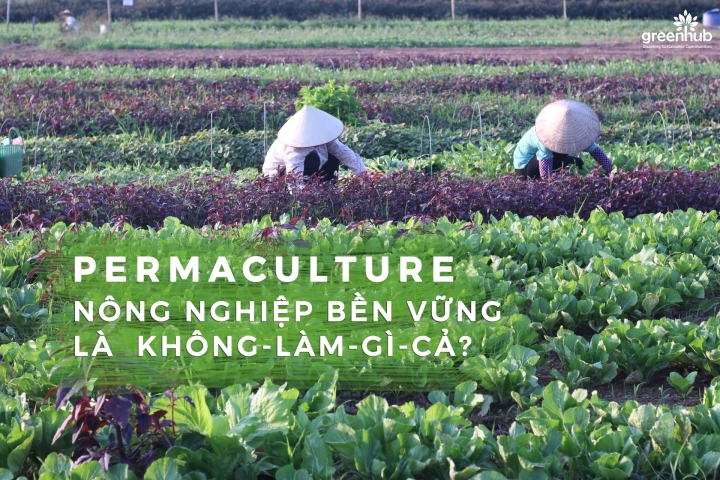



Permaculture – Sustainable Agriculture as “Doing Nothing”? (Part 2): Three Core Principles of Permaculture
Permaculture is a system that emphasizes the key characteristics of landscapes, the functions within them, and the optimization of benefits among species and between living organisms and their environment. The focus of permaculture is to create mutually beneficial relationships among individual elements, while minimizing inputs such as raw materials, human labor, energy, and waste, yet still producing a stable supply of food.
The guiding rule of permaculture is to design agricultural systems based on observing patterns in nature, from which simple yet effective design principles can be derived. Beyond being an agricultural system, practicing permaculture can also reshape our worldview and transform our relationship with nature.
The three core ethics of permaculture are Earth Care, People Care, and Fair Share. Interestingly, these principles can be found in many traditional societies and belief systems. This makes the permaculture model easy to share and adaptable anywhere in the world by anyone.
1. Earth Care
“The Earth is a living entity. Without care and nurturing, it will lead to serious and unpredictable consequences.”
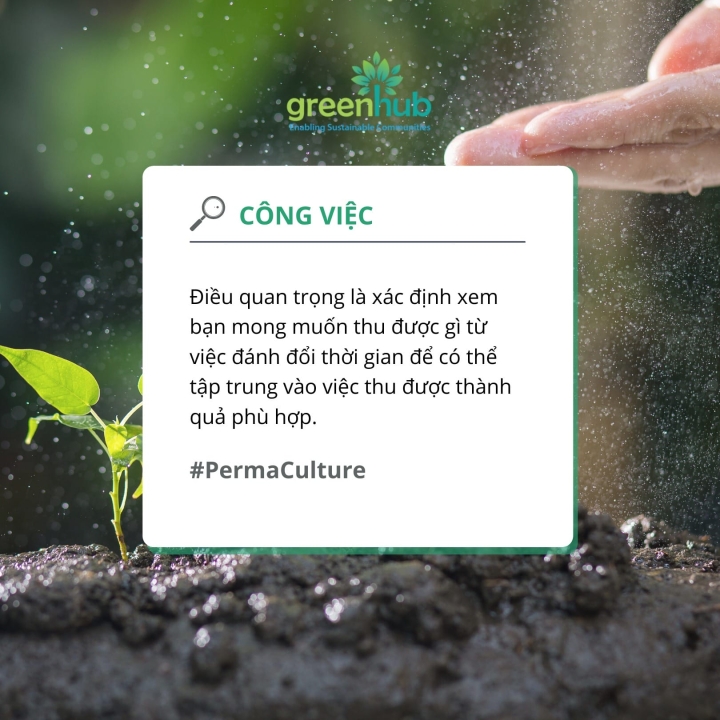
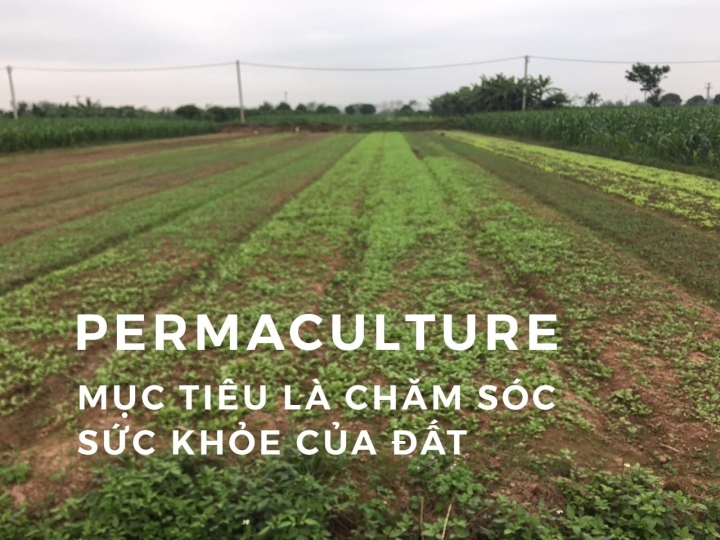
Caring for the Earth can be understood most directly as caring for the soil. Soil is the foundation of all life, supporting countless organisms both beneath and above the ground. The condition of soil is often considered one of the best indicators of the health and well-being of a society.
There are many techniques to maintain healthy soil, but the simplest way to recognize healthy soil is by observing how much life it supports.
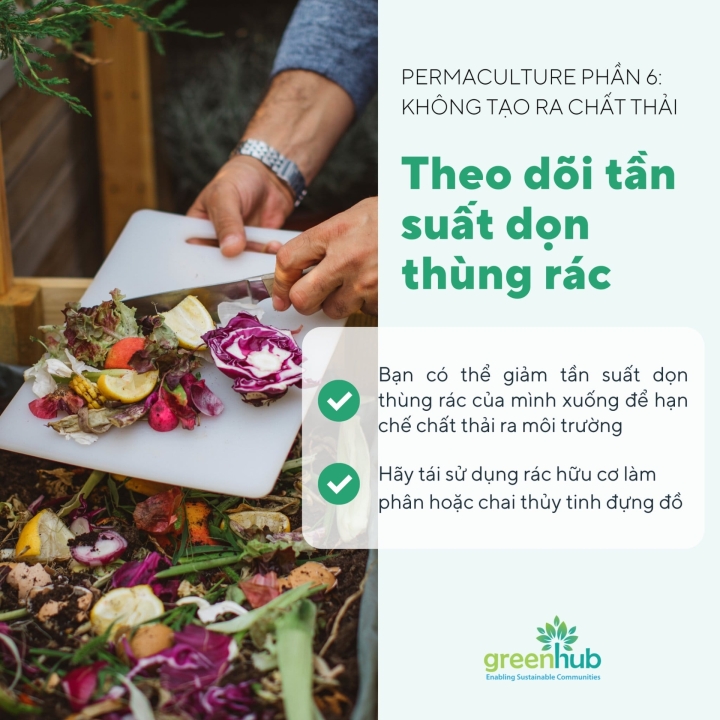
Therefore, permaculture designs must ensure that impacts on the habitats of organisms living both in and on the soil are minimized. Beyond this, we must also reconsider how we choose and consume products.
Imagine having a garden designed according to permaculture principles but still consuming a cake produced through industrial systems that harm the environment. More than one-third of our ecological footprint comes from the food we consume, so choosing local agricultural products and reducing emissions from transportation can make a significant difference.
We may not be able to produce all the materials needed to build our homes or grow and process all the food we eat, but we can choose how we consume and conserve resources.
2. People Care
“If people’s needs are met in the simplest ways possible, the surrounding environment will flourish.”
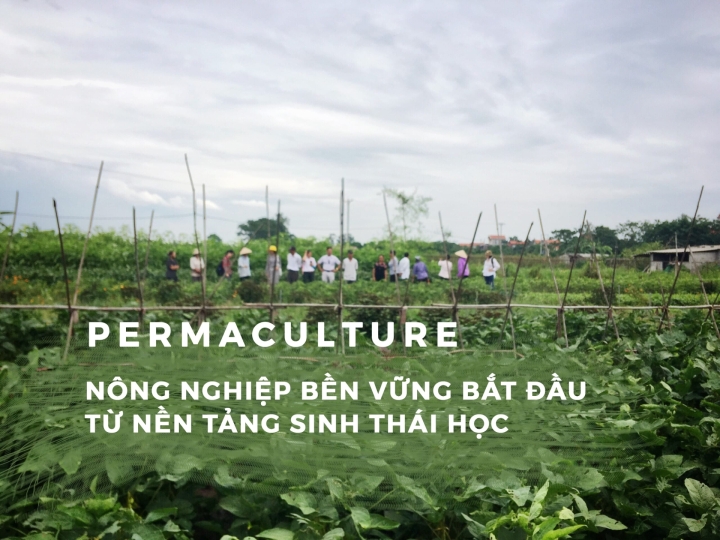
At its core, People Care is about building community.
If you do not possess all the skills required to grow the food you need or improve your living environment, a community can help fill those gaps. By sharing values and supporting one another through challenges, communities enable us to care for ourselves and others without unnecessary production or consumption of resources, helping ecosystems thrive sustainably.
Permaculture also encourages a mindset that focuses on opportunities and positive solutions rather than obstacles, even in difficult situations. Building communities means bringing together the collective wisdom of many individuals to solve problems and design agricultural ecosystems that maximize benefits while minimizing environmental impacts.
3. Fair Share
“Take only what you need and share what you do not need—but always remember that there are limits to how much you can take and give.”
This principle integrates the previous two. It reminds us that we share one Earth, not only with each other but also with future generations and other living species on the planet.
Economic growth in recent decades has coincided with the extinction of many species, demonstrating the limitations of development models focused solely on economic expansion.
Therefore, when designing permaculture systems, sustainability must be ensured—not only to meet our current needs but also to safeguard the future. This includes protecting biodiversity, maintaining natural and indigenous seed sources, and conserving rare genetic resources.
🌱 Coming next: Part 3 – Permaculture Design Principles
Follow our Permaculture series to continue exploring information and practical applications of this sustainable agricultural system.