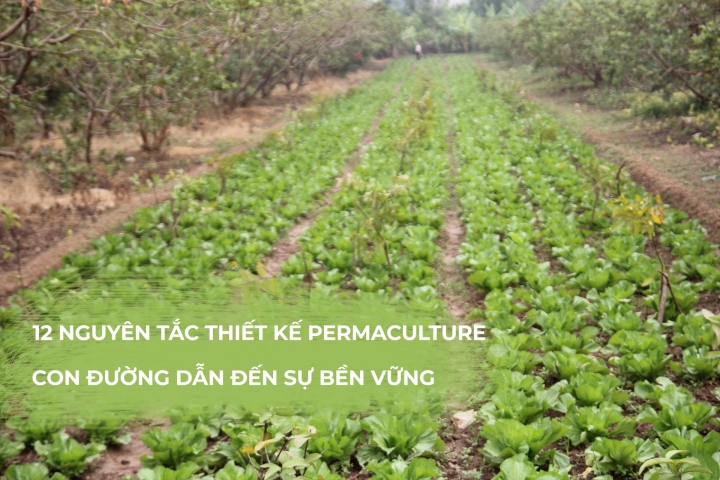



In the next part of this series, we explore how the permaculture principle “Obtain a Yield” can be applied to help you gain meaningful results from the lifestyle you are designing.
Are you living a balanced and healthy life, or do some aspects need redesigning—such as your work, time management, diet, finances, or personal health care?
In the natural world, everything has a purpose. This is a fundamental rule when designing a permaculture garden: every element in the system should serve at least one function, and ideally multiple functions. If something does not serve a useful purpose, it may need to be removed or redesigned.
Let’s look at how this principle can apply to everyday life.
1. Work
The average person works around 40 hours per week. If you wake up at 7 a.m., go to bed at 11 p.m., and work for eight hours, about half of your waking day is spent working.
Ask yourself:
“What return am I getting from investing this resource?”
Time is non-renewable, while money is renewable. We should therefore be cautious when exchanging something that cannot be replaced for something that can.
If your main return from work is financial income, that is completely acceptable. However, it is important to ensure that other principles in life are also being respected, such as health, balance, and personal fulfillment. Clarifying what you want to gain from your work helps you focus on achieving the most meaningful outcomes.
2. Time
If you are spending large amounts of your valuable time, what benefits are you receiving in return?
Throughout life, we perform many activities out of habit. When we step back and observe them, we may realize that some habits do not add much value to our lives.
On the other hand, if an activity does add value, ask yourself whether it could be done more effectively or productively.
Try observing how you use your time over the course of a day or a week, and evaluate the results. Identifying areas where time can be saved allows you to use this precious resource more wisely.
3. Food
Take a closer look at the quality of the food you eat.
Ask yourself:
-
Are you getting enough nutrients and vitamins?
-
Are your food choices supporting your health?
For example, eating processed snacks usually provides fewer nutrients compared with whole, healthy foods. When choosing what to eat, consider the nutritional value your body receives.
Food is one of the most important ways we fuel our energy and well-being.
4. Finances
Do not hesitate to ask for fair payment for the work you do.
When people work on something they are passionate about, they sometimes agree to do it for free or for very little pay because the activity itself feels rewarding. This has happened to many permaculture practitioners.
While passion is valuable, it is important to recognize that your interests and skills can also generate financial benefits. In some cases, they may even become your primary source of income.
There is nothing wrong with earning money from work you love.
5. Exercise
Many people exercise regularly, but they do not always design their workouts intentionally.
In running, there is a term called “junk miles,” which refers to running without gaining significant fitness benefits due to inefficient pace or distance.
By approaching exercise more thoughtfully—regardless of the type of activity—you can gain greater results from the same amount of time invested.
Final Thoughts
The permaculture principle “Obtain a Yield” reminds us that every investment of energy—whether in work, time, food, finances, or exercise—should ideally produce meaningful and positive results.
By observing where our efforts go and evaluating the returns we receive, we can redesign our lives to become more balanced, productive, and fulfilling.
Source:
Designing Your Life with Permaculture — Josh David
https://www.permaculture.co.uk/Designing-Your-Life-Permaculture
This article is part of the Permaculture series, which shares ideas for designing sustainable lifestyles and practicing regenerative agriculture based on permaculture principles. 🌱