


Designing Your Life with Permaculture (Part 1): Observe and Interact
Permaculture has taught us many valuable lessons about creating sustainable changes for the environment and ecosystems. But can these principles also help us design a healthier and more balanced lifestyle?
Living according to permaculture principles means observing nature and aligning our lifestyle with natural systems as much as possible. Such an approach can help reduce unnecessary difficulties in life, save energy, and create a healthier and more harmonious environment for everyone.
Let’s explore how the 12 Permaculture Principles can serve as a foundation for designing a sustainable lifestyle. One helpful approach is to apply one principle each month, allowing you to discover which practices work best for you.
The first principle we will explore today is “Observe and Interact.” A useful suggestion is to record your observations in a notebook or journal to better understand your habits and identify areas for positive change.
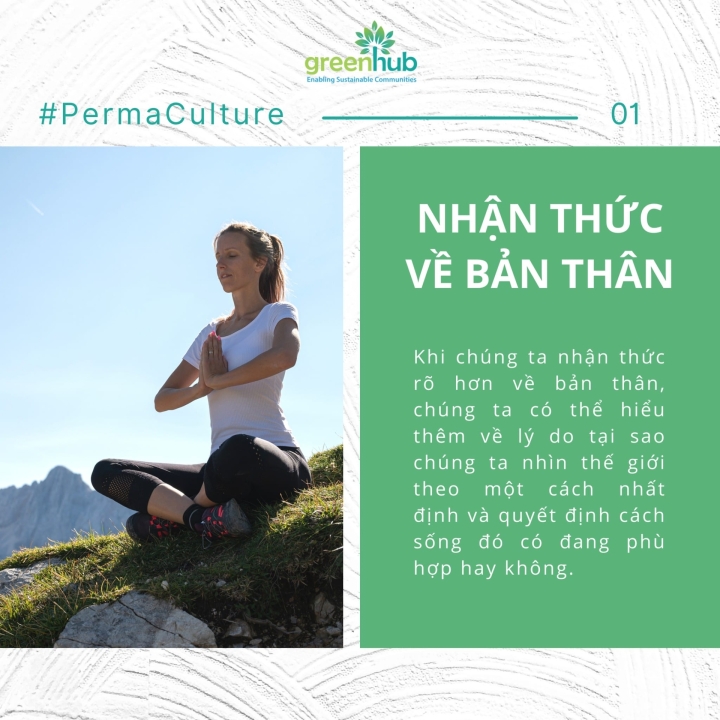
1. Observe Your Body
Pay attention to how your body feels each day.
Ask yourself questions such as:
-
Do you feel energetic today or do you need rest?
-
Are you feeling healthy or experiencing discomfort?
By becoming more aware of your physical condition, you can better protect your health and avoid exhaustion, injury, or illness.
2. Food and Drinks
Take time to observe how different foods and drinks affect you.
For example:
-
Why do you often feel sleepy after lunch?
-
Which foods or drinks make you feel your best?
-
Does consuming too much caffeine affect your mood or health?
Mindfully observing the effects of what you consume can help you design a healthier diet and improve overall well-being.
3. Notice What Brings You Happiness
Pay attention to the things that make you happy—and the things that do not.
Joy can come from simple moments, such as:
-
A bright sunny sky
-
Someone making you laugh
-
Listening to a beautiful song
Notice these moments and reflect on how they connect to your daily life. Try to focus more on activities that bring joy and spend less time on things that leave you feeling dissatisfied.
4. Recognize Your Flow State
Sometimes we experience moments where we are completely absorbed in what we are doing and time seems to disappear. This is often referred to as a flow state.
It might happen when you:
-
Run or exercise
-
Write stories
-
Draw or paint
-
Play music
Pay attention to these moments and write them down. Identifying them can help you discover your true passions and strengths.
5. Reflect on How You Use Your Time
Consider how you spend most of your time.
Ask yourself:
“Does this activity add value to my life?”
For example:
-
Spending two hours commuting
-
Scrolling through social media
-
Engaging in habits that feel unproductive
Reducing time spent on activities that add little value can help create more free time, which is one of the most valuable resources many people overlook.
6. Practice Meditation and Mindfulness
Meditation can be a powerful tool for disconnecting from the distractions of modern life and observing your own mind.
Ask yourself:
-
Are you feeling stressed today?
-
Are you feeling positive and calm?
-
Is your mind busy or relaxed?
Spending even 10 minutes a day observing your thoughts and emotions can help you design a healthier lifestyle.
Final Thoughts
There is no right or wrong way to observe your own habits and behaviors. The key is to shift your mindset toward conscious observation.
Through awareness, you can begin to recognize which patterns improve your life and which ones do not. Permaculture practitioners understand that nature is built on patterns, and learning to recognize patterns within ourselves is the first step toward designing a more natural and balanced way of living.
Source:
Designing Your Life with Permaculture — Josh David
https://www.permaculture.co.uk/Designing-Your-Life-Permaculture
This article is part of the Permaculture series, sharing ideas for sustainable agriculture and lifestyle design based on permaculture principles. 🌱