


Amid today’s health and economic crises and the instability of a globalized society, self-reliance is becoming more important than ever. This period encourages us to pause and reflect on the ability of individuals, families, and local communities to meet their basic needs.
We can grow and preserve our own food. We can store water. We also have the potential to generate our own electricity, heating, cooling, and cooking energy. Although fossil fuels and global transportation systems are useful, they also place increasing pressure on the Earth and affect human well-being.
Designing our lives according to permaculture principles can help create a more stable lifestyle—at least within our families and surrounding communities. When we design a permaculture system, we build landscapes that are resilient and self-restoring, and we can apply the same principles to strengthen self-reliance for both individuals and communities.
Here are five steps to get started:
1. Produce Your Own Food
Growing and preserving food at home is a core part of permaculture. Even in small urban areas or suburbs, households can produce hundreds of kilograms of food each year, including:
-
Vegetables and fruits
-
Nuts and seeds
-
Eggs
-
Even small amounts of meat
This helps ensure food security, provides nutritious meals, and reduces dependence on industrial agriculture that relies heavily on chemicals.
Permaculture systems also encourage long-term food preservation, such as fermentation or drying, which helps ensure a reliable food supply during emergencies.
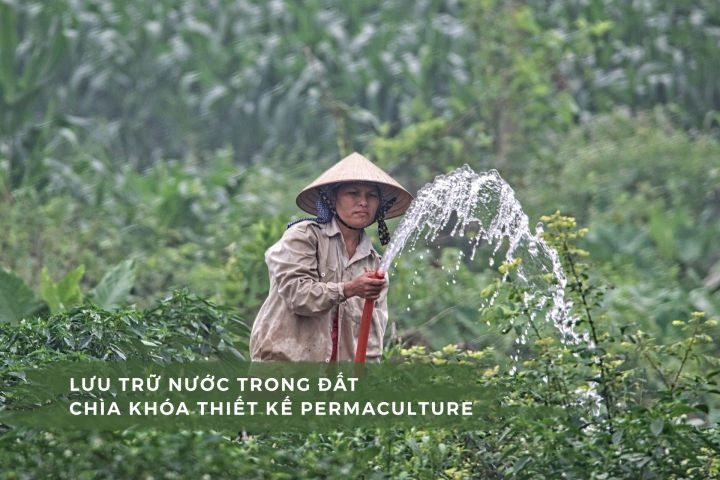
2. Store Clean Water
Fresh water is one of our most critical needs, even more urgent than food. Issues such as oil contamination or arsenic in water highlight the growing global water crisis.
Permaculture design helps create efficient systems for:
-
Collecting water
-
Filtering water
-
Storing clean water
It also supports water cycling systems, ensuring that this valuable resource is used efficiently and not wasted.
3. Generate Your Own Energy
Homes designed using permaculture principles can often meet much of a household’s energy needs without heavy reliance on national or global energy systems.
There are two main approaches:
Passive Energy
Permaculture design uses natural energy sources already available in the environment.
For example:
-
Sunlight can provide natural lighting and heating if windows are positioned properly.
-
Garden systems can function without electricity in winter.
-
The Earth itself can provide stable temperatures for heating and cooling when buildings are designed effectively.
These design principles help households maximize solar energy and natural climate control.
Renewable Energy
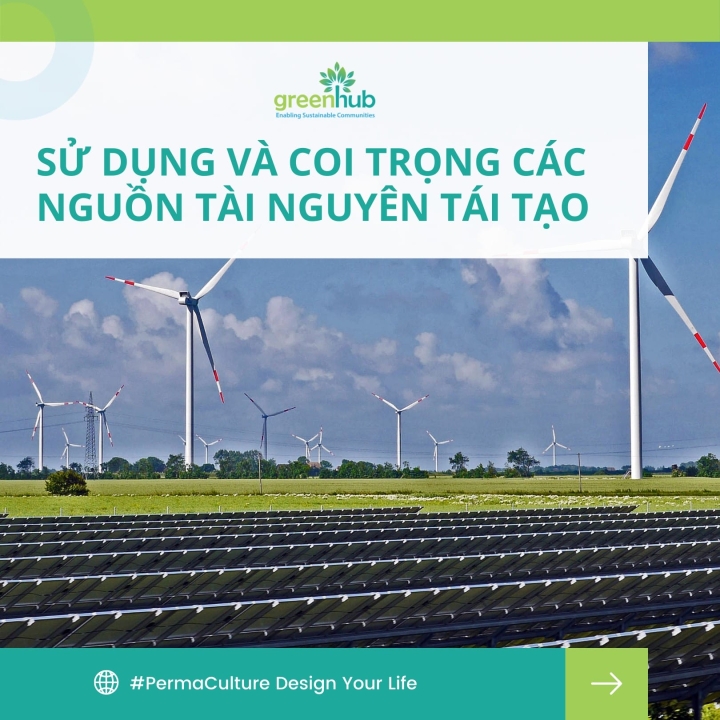
Renewable energy may not supply all household needs but can significantly reduce dependence on fossil fuels. Examples include:
-
Wood for cooking or heating
-
Solar energy systems
-
Wind power
-
Biogas systems for thermal energy
Many renewable options can be adapted depending on local conditions.
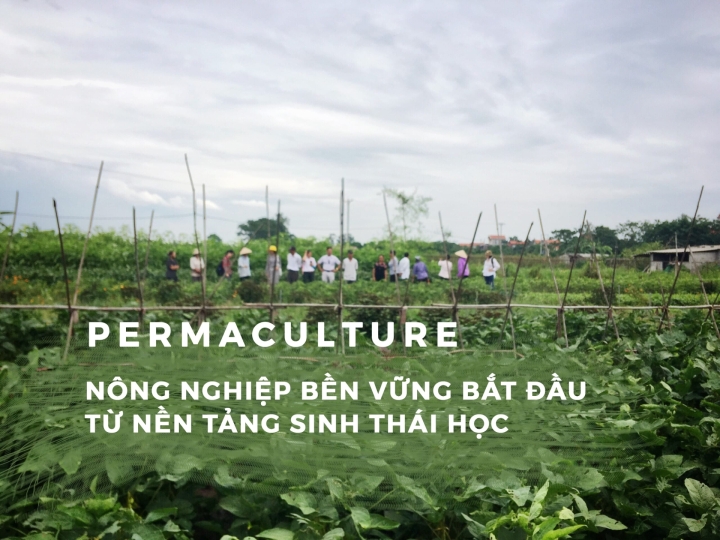
4. Work Together as a Community
Self-reliance does not mean isolation. Communities can collaborate with neighboring households to strengthen collective resilience.
Together, communities can:
-
Produce food
-
Store water
-
Generate energy
-
Build houses and gardens
Working collectively helps projects develop more quickly and efficiently. The key is to find people who share an interest in permaculture or simply wish to live in greater harmony with nature and support one another.
5. Allow Time for Rest
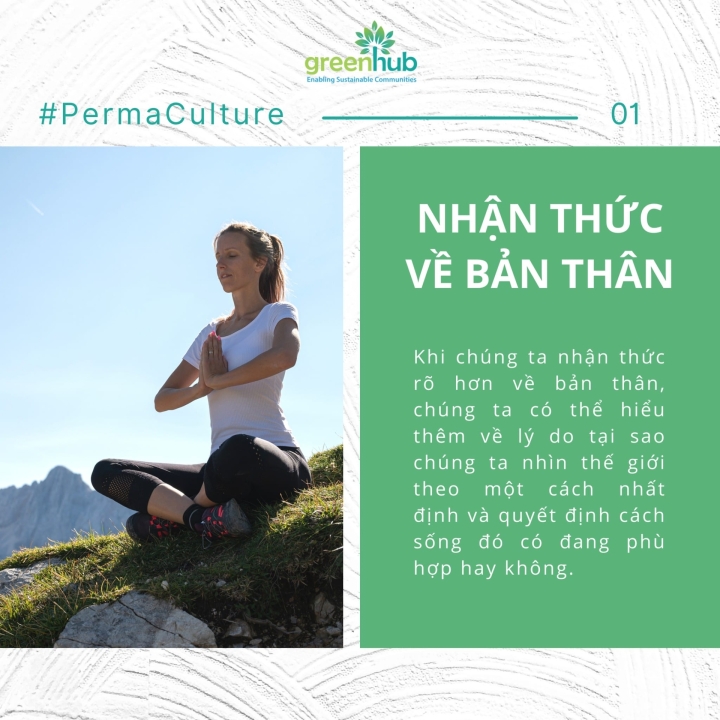
Permaculture encourages the creation of healthy habits and efficient systems that improve mental well-being. It also provides more time to pursue personal interests.
Rest is a basic human need, not a sign of laziness. Permaculture systems are designed so that sometimes the best action is simply to do nothing and allow natural processes to function.
Reconnecting With Basic Needs
Meeting basic needs should be a priority, yet modern life often disconnects us from them.
When we run out of food, we go to supermarkets instead of our gardens. Drinking water comes in chemically treated bottles instead of natural sources like rainwater, wells, or streams. Energy seems limitless—until fossil fuels run out.
At the same time, people are becoming more distant from neighbors, often checking messages while sitting with friends. Video games and movies have become the primary ways we relax.
This is not necessarily right or wrong, but modern life has gradually reduced our capacity for self-reliance, leaving us more vulnerable during crises.
Permaculture encourages us to prioritize our true needs over our wants, helping create a more stable and resilient future.
Source:
https://www.permaculturenews.org/2020/03/25/food-water-shelter-community-recreation/