


Permaculture Water Systems – Part 1: Storing Water in the Soil – The Key to Permaculture Design
Freshwater is one of the most important resources on Earth. Plants can adapt to many harsh environmental conditions, but no plant can survive without water. For this reason, permaculture systems are designed to use water as many times as possible before it leaves the system.
One of the simplest ways to achieve this is by designing water storage systems, and soil itself is the most natural and cost-effective water reservoir available.
To store water in the soil, two main goals should be considered:
-
Slow down, spread out, and reduce runoff, allowing water to travel the longest possible path through the system, spreading across the landscape and infiltrating as many areas as possible before leaving the site.
-
Increase organic matter in the soil, because organic matter acts like a sponge that holds water. Soil containing at least 2% organic matter can reduce irrigation needs by up to 75% compared with poor soil containing less than 1% organic matter.
So what methods can we use to store water in the soil?
1. Digging Swales (Trenches)
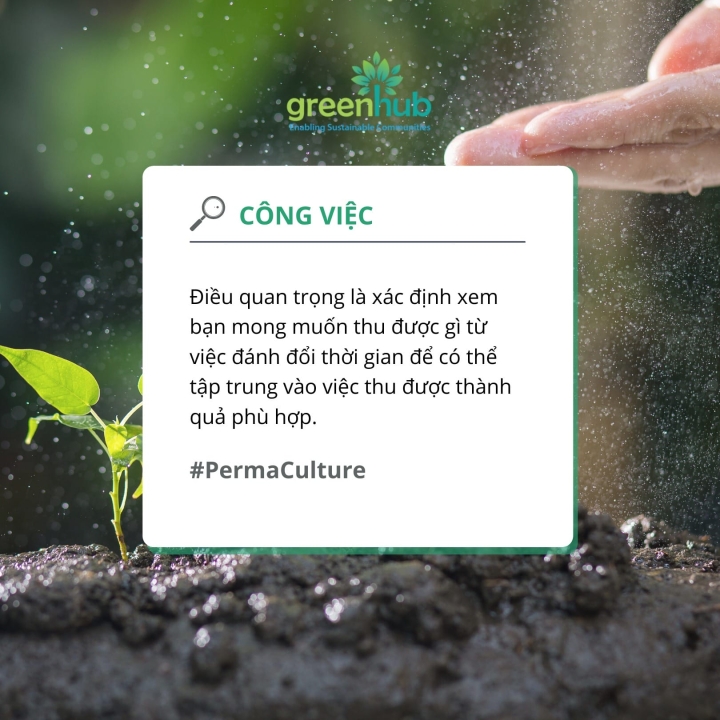
An important principle is to dig swales without overturning the topsoil, and to plant vegetation along these swales. Plants leave about 25% of their roots in the soil each year, and together with fallen leaves and soil microorganisms, they form organic matter that acts as an effective water-holding sponge.
On sloped land, swales are dug along contour lines. This allows excess water from higher terraces to be slowed and captured by lower ones, reducing the speed of runoff down the slope and giving water more time to infiltrate the soil.
These swales can recharge soil moisture, increase the soil’s water-holding capacity by more than 75%, and reduce runoff by about 85% compared with bare soil.
When building terraced systems, two principles should be followed:
-
The steeper the slope, the closer the terraces should be placed.
-
The looser the soil structure, the further apart the swales can be spaced.
After the swales are constructed, the first rain may not fill them completely. Once they reach capacity, excess water flows into rivers or lakes, naturally filtered as it passes through layers of soil.
2. Creating Soil Cover (Mulching)
Mulch acts as a protective layer covering the soil, shielding it from the damaging effects of wind, sunlight, and heavy rain.
Mulching helps to:
-
Reduce water evaporation
-
Increase water infiltration by holding moisture on the soil surface until it can be absorbed
-
Reduce erosion compared with bare soil
-
Regulate soil temperature—cooler in summer and warmer in winter
-
Prevent weeds from competing with crops for water and nutrients
-
Provide nutrients and organic matter as it decomposes
-
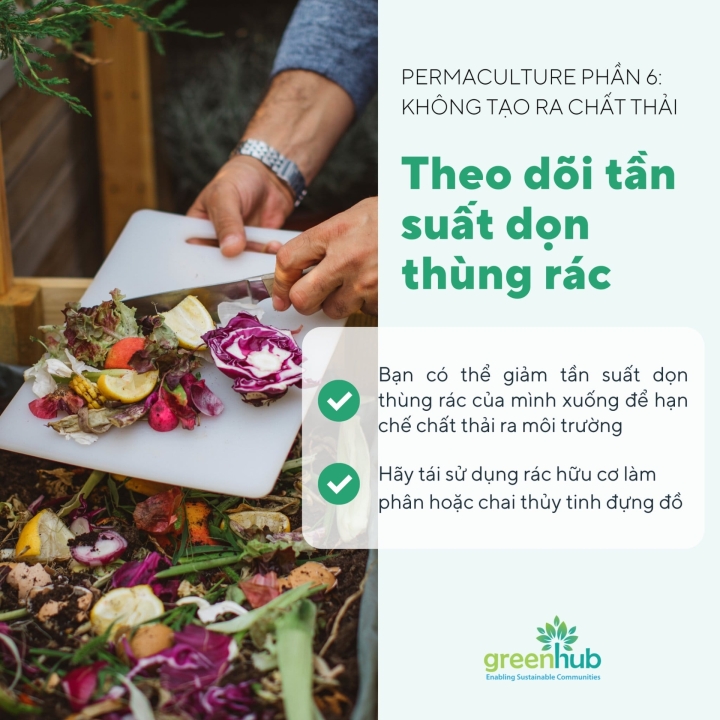
Reuse organic by-products from the system
3. Retaining Surface Water
Surface water (from rain or snow, for example) can be collected and stored in tanks, ponds, or dams.
The first ponds or dams should be built at the highest point of the land. Water flowing through upper ponds is partially purified before moving downward, since pollution typically increases at lower elevations.
Stored water can then flow to lower ponds using gravitational potential energy.
Lower ponds are often used to store previously used water, which can then support aquaculture systems. These aquatic systems help remove toxins and excess nutrients before water eventually flows into rivers or lakes.
4. Biological Water Purification
Plants growing along the edges of lakes, wetlands, and rivers act as natural filters for dissolved chemicals and suspended materials.
By mimicking natural aquatic ecosystems, we can build biological filtration systems to treat wastewater.
When wastewater enters a pond:
-
Gravel, pebbles, and sand help aggregate and settle very small particles.
-
Aquatic plants absorb nutrients from the water and help remove pathogens and heavy metals.
Plants harvested from these ponds can then be reused as mulch for soil cover, closing the nutrient cycle.
Follow the Permaculture series to continue exploring practical knowledge and applications of this sustainable agricultural system.
References
-
Earth User’s Guide to Permaculture (Second Edition) – Rosemary Morrow
-
https://permacultureapprentice.com/permaculture-water-management/
-
https://permaculturenews.org/2017/01/06/simple-ways-conserve-water-design-hasnt-done/