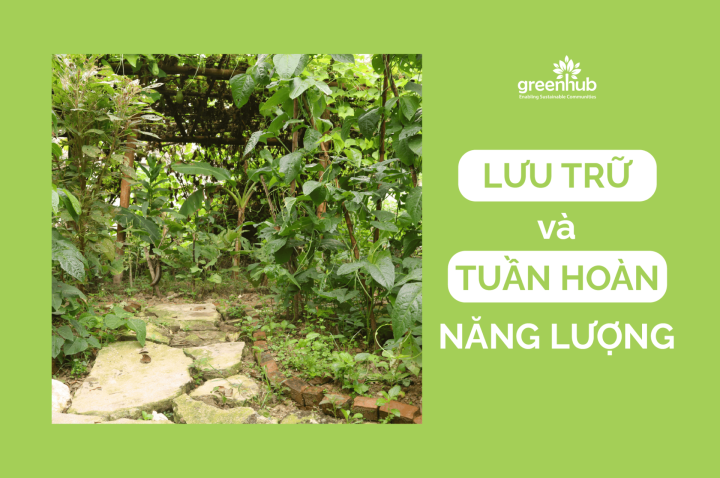



Very few events in nature happen instantly. Everything takes time. When you stand in a forest, it may seem like nothing is happening, but in reality the forest is constantly growing and evolving. Small and gradual changes often lead to more positive and sustainable outcomes.
When adapting and making changes to your own lifestyle, do not hesitate to follow Permaculture Principle 9: Apply Small and Slow Solutions. Prepare yourself for the fact that change will not happen overnight. The important thing to remember is that everything needs time to shift and grow. Therefore, don’t make things harder for yourself if you do not see immediate results. What matters most is that you have already begun your journey of change.
In this article, let’s explore how we can apply small but sustainable solutions when making changes in our lives.
1. Work
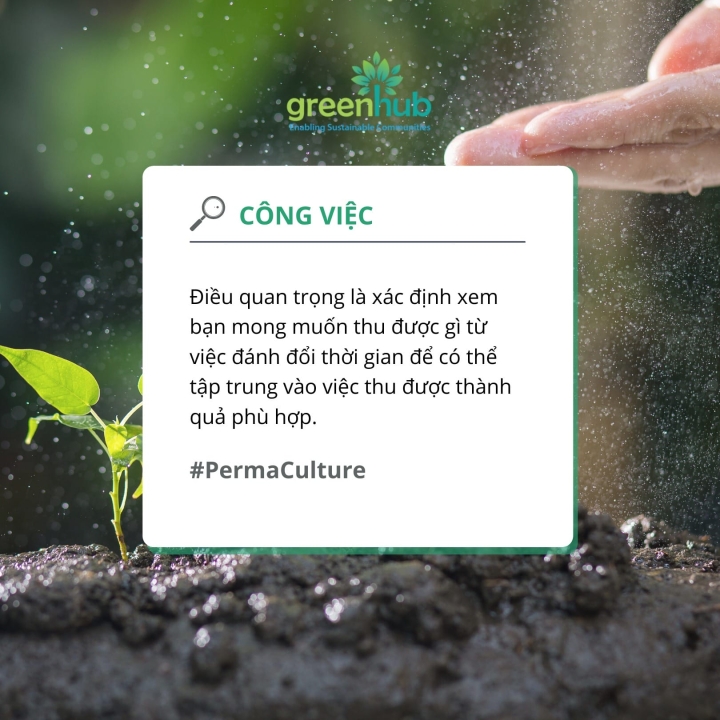
If you are thinking about changing careers or starting your own business, a stable approach is not to quit your job immediately. Instead, take time to explore what you would do with your free time if you pursued that path.
For example, you can continue working while gradually researching the field you want to enter or learning how you might manage your own business in the future.
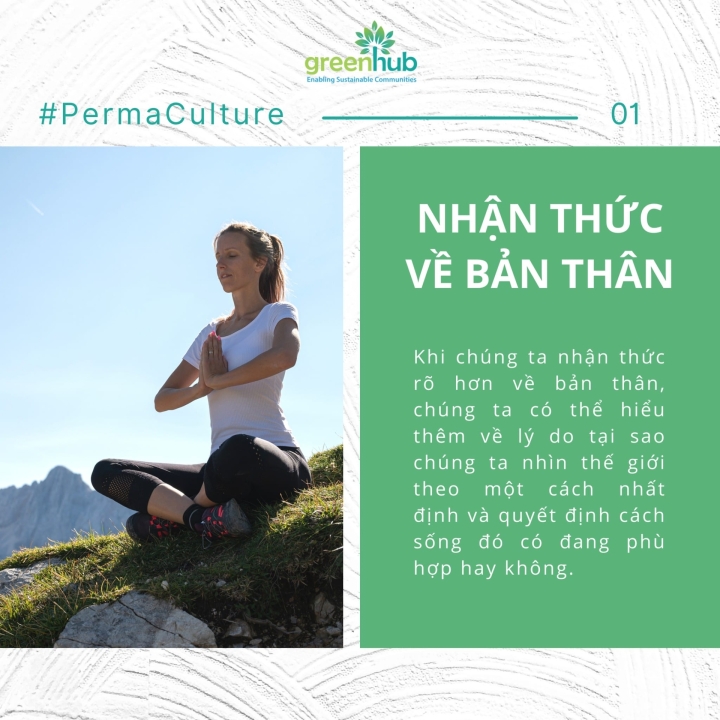
Just as permaculture design works with natural processes, the best approach is to observe your current situation, understand what suits you best, and then make small adjustments that gradually lead to larger changes over time.
2. Lifestyle
If a forest is suddenly cleared to plant a food forest, the natural system may struggle to cope with such a drastic change. Soil erosion may occur, ecosystems may be damaged, and water sources may become polluted.
Your lifestyle works in a similar way. If you suddenly abandon a habit and try to force rapid change, it may lead to financial instability, stress, or disappointment.
For example, trying to run a full marathon before being able to run 5 kilometers may result in injury and exhaustion.
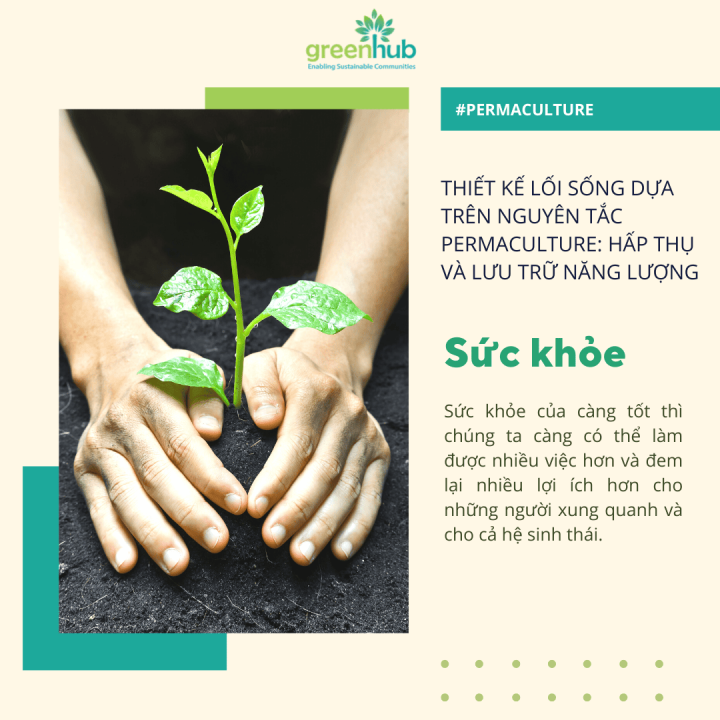
Instead, create a plan with small, manageable steps that gradually build toward meaningful change. This approach is healthier and far more sustainable in the long term.
3. Conclusion
Sometimes nature responds to change in dramatic ways. When an ecosystem no longer functions properly, forests may undergo large-scale resets, such as natural wildfires that clear space and allow new growth to emerge.
In human life, similar moments may occur—for example, ending a long-term partnership or suddenly leaving a job without a plan. These kinds of “resets” can sometimes be necessary, but they often bring stress and uncertainty.
While certain situations may require rapid change, whenever possible it is better to choose slower, more mindful transitions. These gradual changes often bring more satisfaction and lead to healthier, more lasting outcomes over time.
Source:
Designing Your Life with Permaculture — Josh David
https://www.permaculture.co.uk/Small-slow-solutions
This article is part of the Permaculture series, which shares approaches to designing sustainable lifestyles and practicing regenerative agriculture based on permaculture principles. 🌱