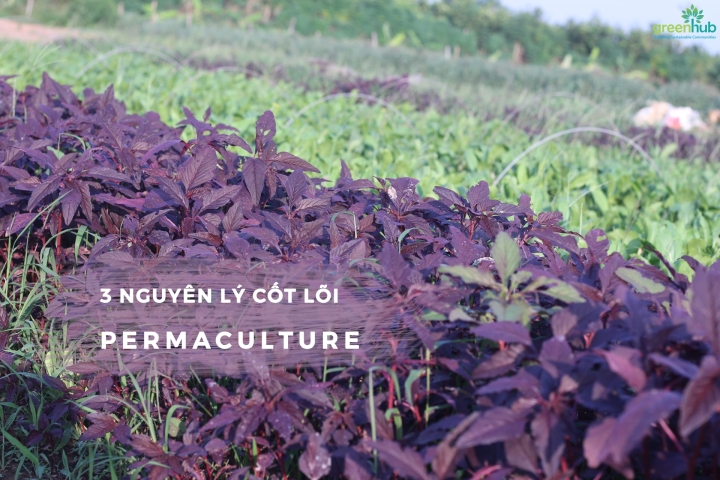



Agriculture and the Concept of Permaculture
The word “agriculture” is a meaningful combination of “agrarian” (land) and “culture”, representing the culture of an authentic relationship between humans and the land, producing resources to meet human needs. Today, 2.6 billion people worldwide depend directly on agriculture, yet 52% of agricultural land is affected by degradation and soil erosion.
In addition, drought and desertification cause the loss of 12 million hectares of land every year (about 23 hectares per minute), which is equivalent to the loss of 20 million tons of grain.
Human-created agricultural ecosystems are among the main causes of the increasingly severe degradation of land and the significant reduction of topsoil—the very foundation of life on Earth. These systems often go against natural processes. Monoculture farming, which focuses primarily on the most commercially profitable crops, has led to the loss of biodiversity and the destruction of habitats for many species in nature.
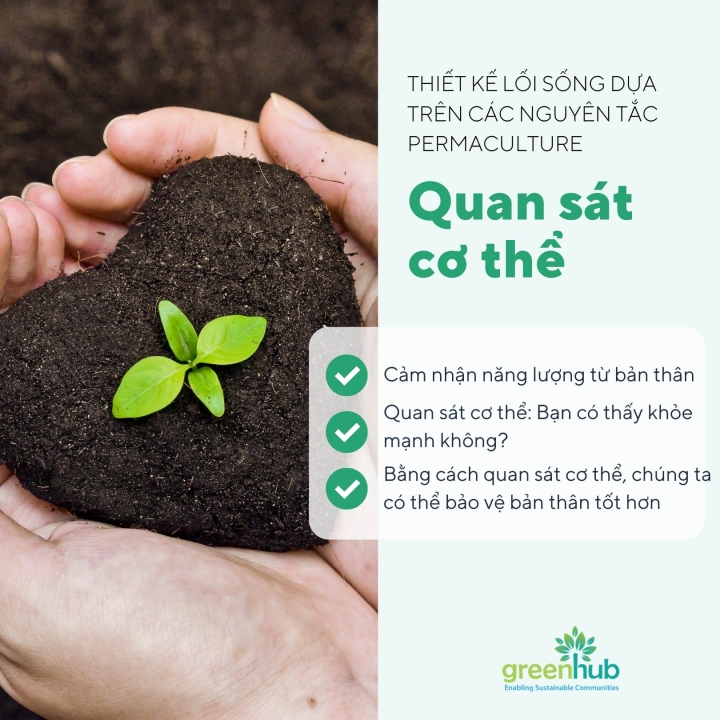
To address this issue, we need to reconnect with nature, observe it, and build agricultural ecosystems that mimic natural systems—diverse and capable of providing for all basic human needs.
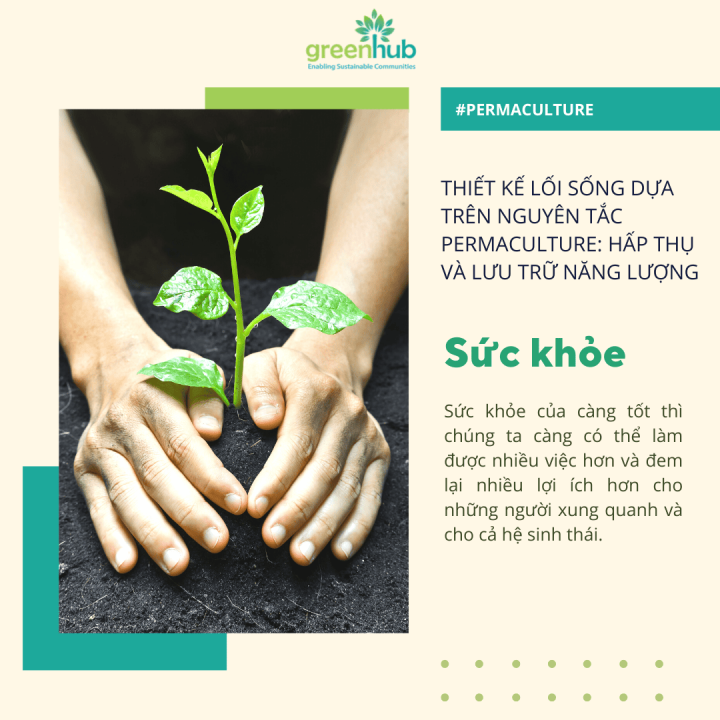
Permaculture (often translated as “permanent agriculture”) was developed as a solution to this challenge. According to Bill Mollison, permaculture is an agricultural production ecosystem that is consciously designed and maintained, incorporating key characteristics of natural ecosystems such as diversity, stability, and resilience.
As Emma Chapman explains:
“Permaculture, often viewed as a collection of gardening techniques, has actually developed into a design philosophy and, for some people, even a philosophy for living. The main purpose of permaculture is to create human systems that provide for human needs while incorporating natural elements and drawing inspiration from natural ecosystems. The goals and priorities of permaculture align with what many consider to be the core requirements for sustainability.”
By mimicking natural ecosystems, permaculture designs integrate all components of an agricultural system into a unified whole. This may include timber trees, fruit trees, medicinal plants, ground cover, livestock (such as buffalo, cattle, pigs, and chickens), fish ponds, and more. Such systems operate in a way that minimizes resource loss, making them highly efficient and sustainable.
What distinguishes this system from traditional models such as VAC (Garden – Pond – Livestock) or VACR (Garden – Pond – Livestock – Forest) is that permaculture views and manages all components as an interconnected system rather than as separate parts.
Permaculture is a harmonious and effective system that can be implemented by anyone, in any landscape or climate, anywhere on Earth. Its principles continue to evolve and improve as people around the world adapt them to different climates and cultural contexts.
Practicing permaculture does not require you to give up what you already have; it simply asks that you accept and work with nature as it is. It encourages us to reconsider how we use our resources—food, energy, shelter, and other material and non-material needs—so that we can use more of what we already have while consuming less.
By working more efficiently and with less effort, we can achieve benefits for the environment and for ourselves, both now and for future generations.
Follow our Permaculture series to learn more about this agricultural system and discover ways to apply it in practice.