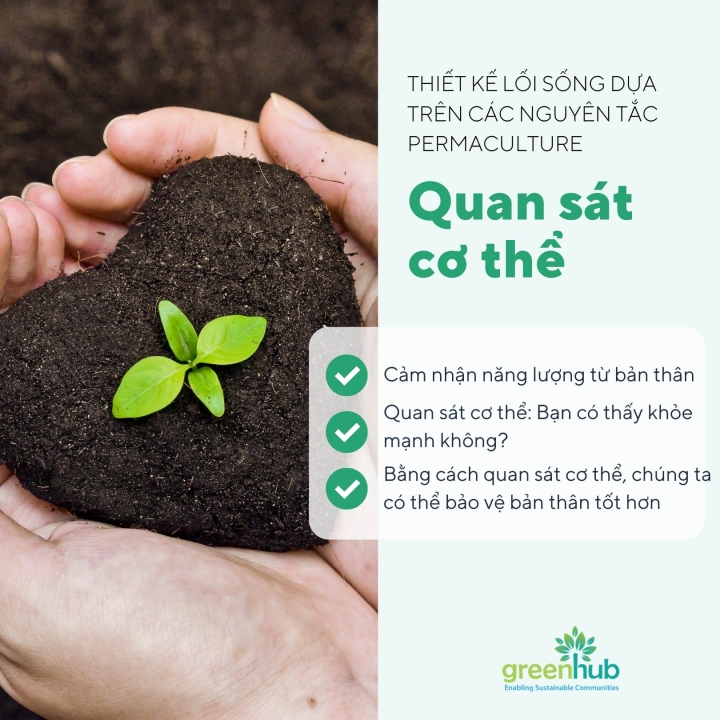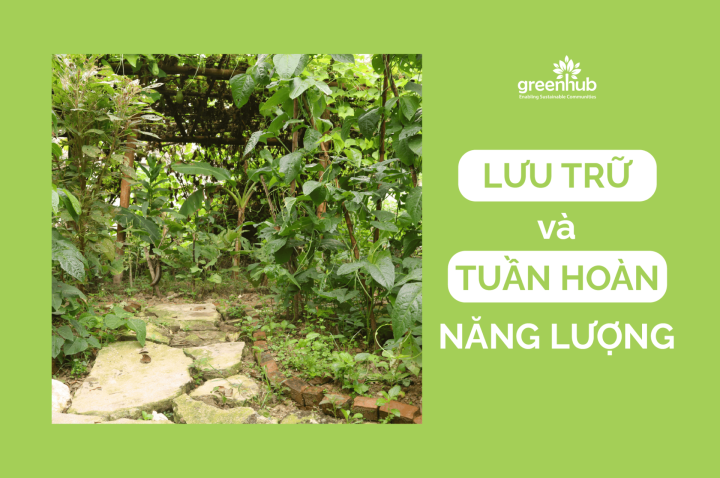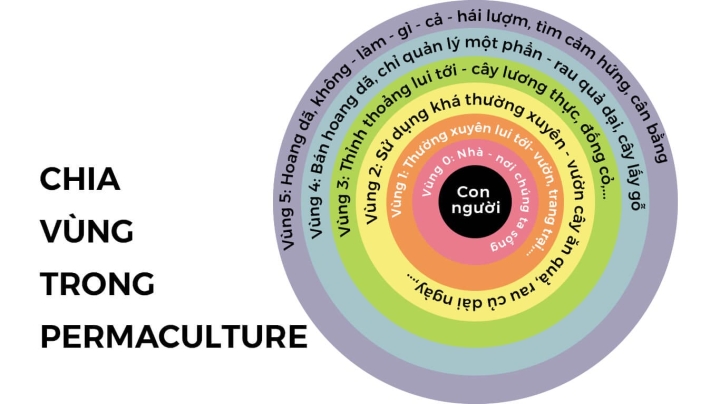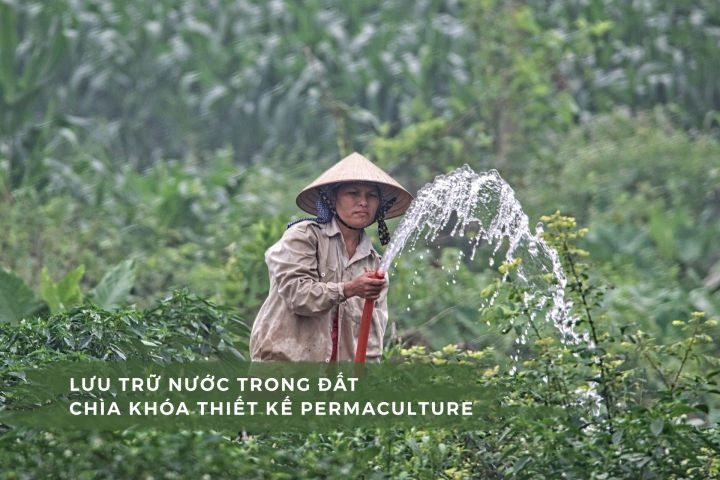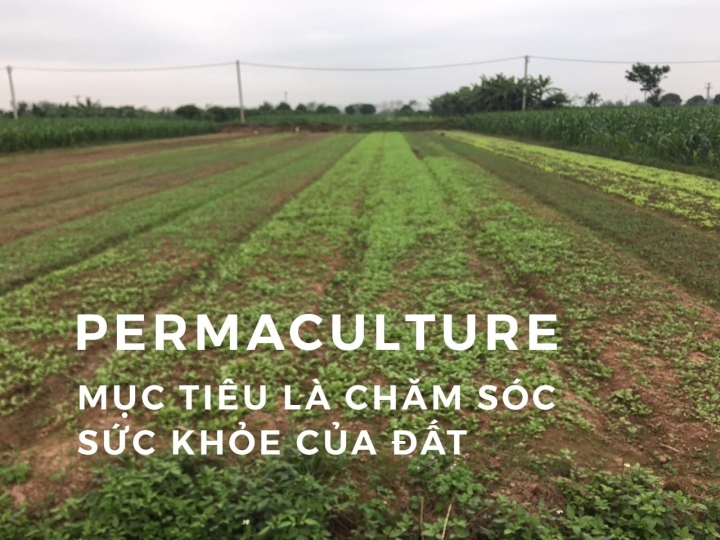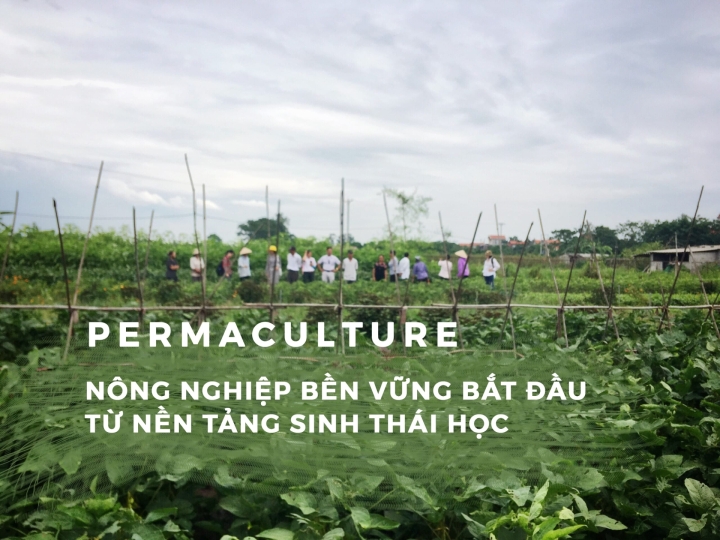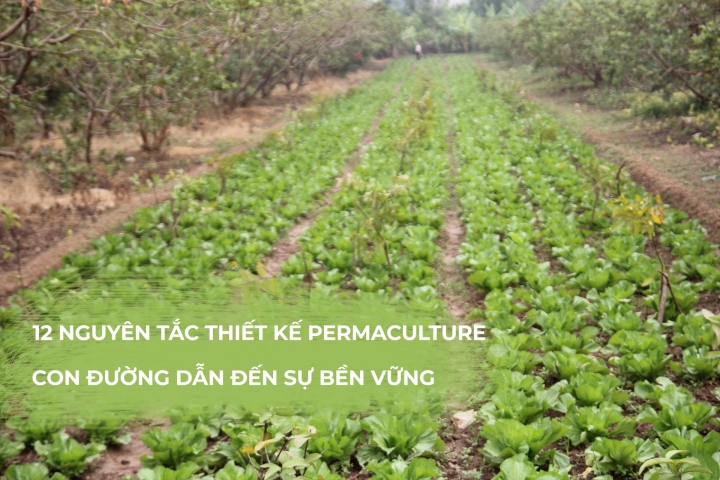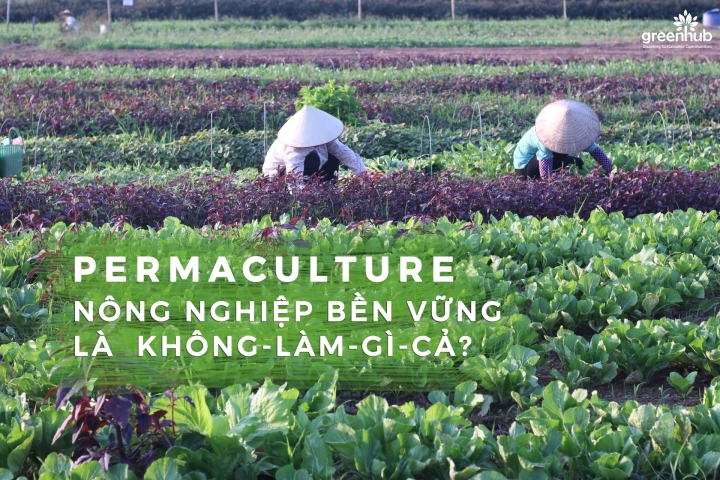



Permaculture is an agricultural system designed to create landscapes that work in harmony with natural landforms, producing benefits for both people and nature. It is not simply about planting and harvesting. When you understand how permaculture works, it can help you build a simpler and more sustainable lifestyle.
Before applying permaculture in your backyard or on a farm, it is important to study its principles and practices. But how can you start learning about permaculture? Below are six effective ways to deepen your knowledge of this environmentally friendly agricultural system.
1. Read Books
A great way to start learning about permaculture is by reading books on the subject. The Permaculture Association has suggested a Top 10 list of recommended books for those who want to understand permaculture more deeply.
Reading helps build a strong theoretical foundation that supports practical application later on.
2. Join Courses
You can enroll in online courses or in-person training programs. These courses provide opportunities to gain knowledge, share experiences, and connect with others who are interested in permaculture.
One of the most well-known introductory programs is the Permaculture Design Course (PDC), which provides essential and foundational knowledge for anyone starting their permaculture journey.
3. Find a Mentor
Another effective way to learn is to find a mentor and volunteer in their permaculture project. By working alongside experienced practitioners, you can gain hands-on knowledge and practical skills.
Once you become experienced in permaculture yourself, you can also mentor volunteers and share your knowledge, helping to spread sustainable farming practices.
If you cannot find a mentor locally, you can still learn by following blogs, projects, and activities of permaculture experts online. Their insights and experiences can help you connect with permaculture practices in different regions.
4. Visit Gardens
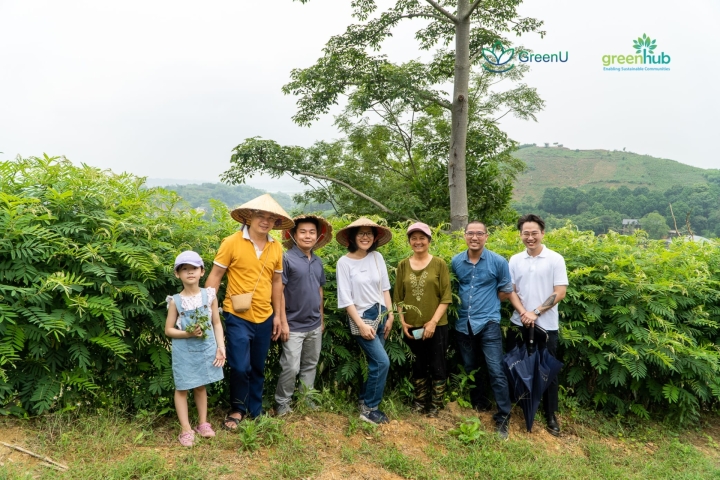
Local gardeners and farmers may have valuable knowledge about permaculture practices. Visiting their gardens allows you to observe real systems in action.
They can also help you identify native plant species that grow well in your local climate and landscape. Choosing plants that naturally thrive in your environment is one of the key principles of permaculture.
5. Start a Community Project
Once you have access to land for your project, you can collaborate with others to plan, design, and implement a permaculture system together.
Different people may have different goals—some may want a productive garden, while others may prefer a beautiful landscape. A well-designed permaculture garden can combine both goals while remaining environmentally friendly.
Community projects also help strengthen cooperation and shared learning.
6. Practice in Your Backyard or Rooftop
Your backyard or rooftop is an excellent place to apply what you have learned.
If you already have a small green space, why not start experimenting with permaculture principles there? Whether it is a vegetable garden or a small rooftop garden, you can begin practicing sustainable and environmentally friendly farming techniques right at home.
Why Is Practicing Permaculture Important?
You may need one final motivation to start your permaculture journey. Practicing permaculture helps move us toward sustainable food production.
Industrial agriculture often depletes natural resources and damages ecosystems. In contrast, thoughtful farming practices and appropriate crop selection help maintain soil fertility and protect resources for future generations.
Even if your goal is simply to make your backyard or rooftop more beautiful, permaculture design can help your garden grow naturally while minimizing environmental impact.
By practicing permaculture techniques and creating sustainable agricultural systems, you will also gain a deeper understanding of our planet, our food systems, and how to build a more environmentally responsible future for everyone.
Follow the Permaculture series to continue exploring knowledge and practical applications of this sustainable agricultural system.
Source:
https://permaculturenews.org/2020/01/16/6-techniques-to-learn-more-about-permaculture/ 🌱