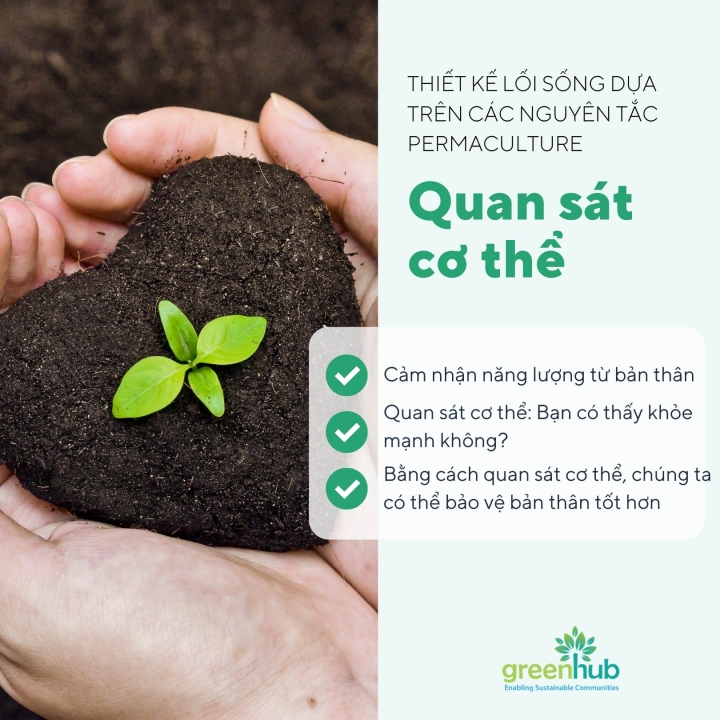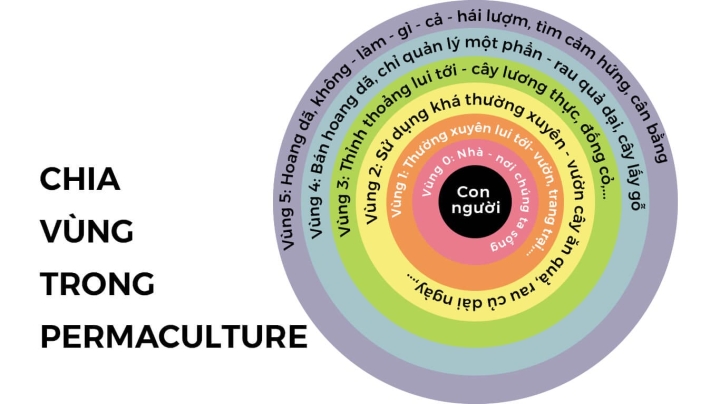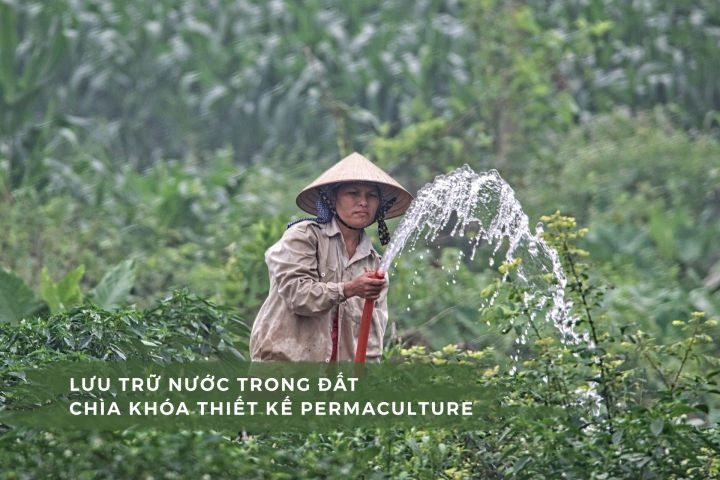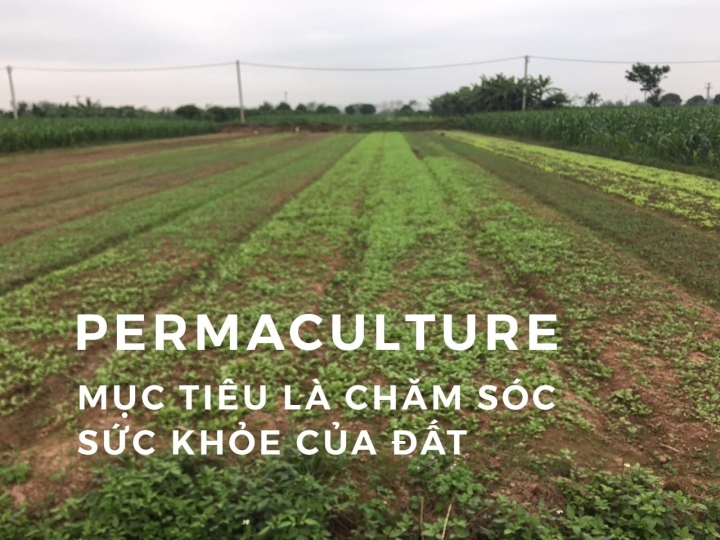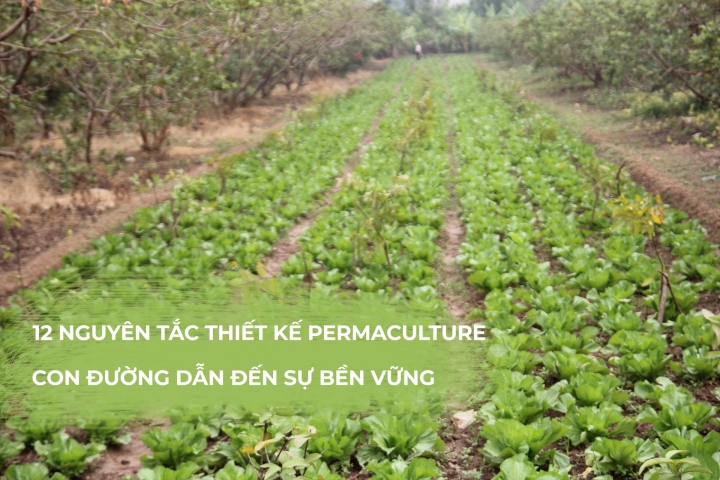



“Observe and Interact” is the first and most important principle when starting to design and build a permaculture agricultural system. The more carefully a site is studied, the fewer mistakes will occur when solutions are applied in practice.
Moreover, permaculture is a system built upon observing and mimicking nature, which makes ecology the fundamental foundation of this sustainable farming approach.
The ecological foundations we must observe and interact with include the basic resources within a site: soil, climate, water systems, vegetation, and more. Together with GreenHub, let’s explore some key ecological concepts that help us design high-performing, long-lasting permaculture ecosystems at low cost.
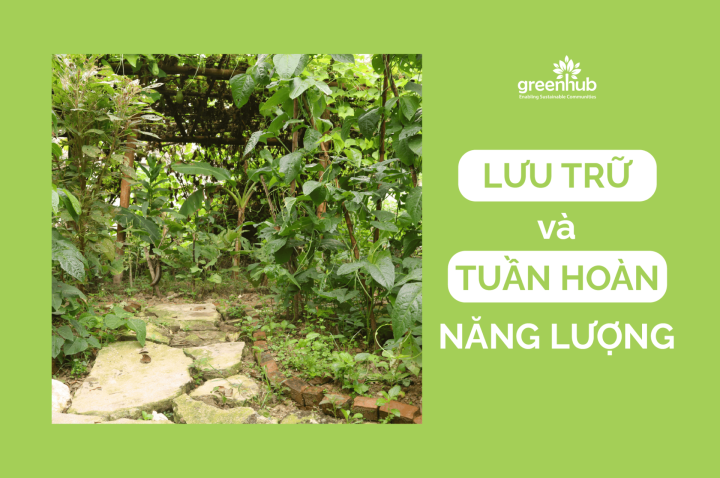
1. Energy Flows Through Ecosystems
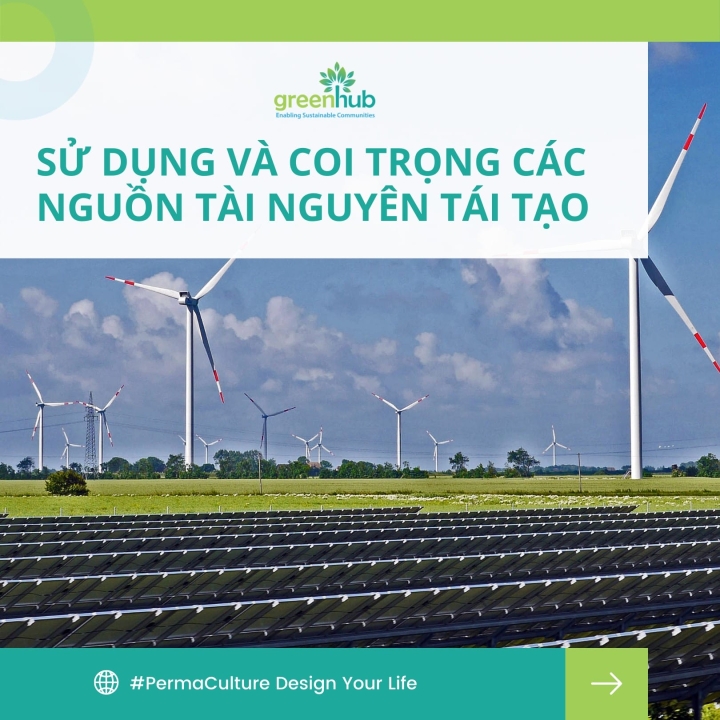
Plants absorb sunlight energy and convert it into chemical energy—carbohydrates, sugars, proteins, waxes, and oils—which are then consumed by animals. From herbivores (which eat seeds, grasses, and fruits) to the bacteria living in the intestines of earthworms, energy moves through the system and is eventually lost as heat.
Whenever we cultivate land—whether designing a food garden or a forest garden—we initiate an energy flow. Energy circulates from plants through all living organisms within the system.
If we remove all fallen leaves or cut grass down to bare soil, we are removing energy from the system. But if we collect garden waste and turn it into compost, we retain that energy within the system.
Understanding these energy flows allows us to increase efficiency. For example, chickens can eat spoiled fruits while producing manure that fertilizes the garden.
2. Nutrient Cycles
Matter consists of many elements and molecules that form gases, vitamins, proteins, minerals, and nutrients essential for life. The total amount of matter on Earth remains relatively constant and cycles continuously through living and non-living components such as air, minerals, plants, and animals.
The sun drives these cycles through energy flows.
Human activities can disrupt natural nutrient cycles. For instance, bioaccumulation—a form of pollution—occurs when substances that cannot easily move through natural cycles accumulate in the environment. These substances then build up in organisms and increase in concentration as they move up the food chain.
3. Food Chains and Food Webs
Energy flow and nutrient cycling are often represented through food chains and food webs. However, food chains do not exist independently. Each organism is interconnected with others, forming a more complex system known as a food web.
Food webs reflect the structure of an ecosystem. A simple food web with few species and weak connections is more vulnerable to disruption. In contrast, complex ecosystems are more resilient, with more efficient energy flows and nutrient cycles.
Therefore, permaculture systems aim to create as many interconnected food webs as possible, increasing the vitality and resilience of the ecosystem.
4. Ecological Succession
Ecological succession occurs when each type of plant alters its environment, preparing conditions for the next type of plant to grow. In this way, each species eventually contributes to its own replacement by another.
In natural systems, succession can sometimes reduce the number of species in later stages. Therefore, adding more species to an ecosystem can enhance its stability.
In permaculture, the design goal is to accelerate succession while minimizing disturbances to reach the desired ecosystem state more quickly. For example, instead of allowing grass and herb stages to dominate, designers may move directly to planting shrubs.
These pioneer species grow well in degraded soil, improve soil conditions, protect young seedlings, and prepare the environment for future plants.
5. Multi-Layer Planting
In natural forests, vegetation is arranged in multiple vertical layers:
-
Tall canopy trees
-
Smaller trees beneath the canopy
-
Shrubs
-
Ground cover plants such as grasses and herbs
This vertical layering allows species to share resources efficiently, including light, water, nutrients, and space.
Permaculture mimics this structure. Multi-layer planting helps:
-
Suppress weeds
-
Prevent soil erosion
-
Save space
-
Improve resource efficiency
Below the ground, plants also occupy different soil layers. Some crops grow near the surface, while others develop deep root systems.
This method saves time, labor, and financial resources, particularly when restoring degraded land.
6. Limiting Factors
Ecosystems on Earth vary widely due to many influencing factors, including:
-
Climate (temperature and rainfall)
-
Soil conditions
-
Day–night cycles
-
Terrain
-
Human activities
Among these, climate is usually the most important factor, followed by soil.
In permaculture design, the goal is to adapt to limiting factors or reduce their impacts. A practical approach is to start by planting native species that are already suited to local conditions.
As these species grow, they gradually improve soil quality, moisture levels, and shade conditions. Once the environment improves, new plants—or even animals—can be introduced that thrive under the newly created conditions.
Follow the Permaculture series to continue exploring more knowledge and practical applications of this sustainable agricultural system.
References
-
Earth User’s Guide to Permaculture (Second Edition) – Rosemary Morrow
-
Introduction to Sustainable Agriculture – Bill Mollison & Reny Mia Slay
-
Educational Materials for Integrating Ecological Lifestyles into Youth Programs – Topic: Understanding Permaculture – Center for Environment and Community Initiatives (C&E)
-
https://www.permacultureproject.com/resources/permaculture-and-ecological-design/