


Through household waste audit activities conducted in Hạ Long City, organic waste was found to account for a large proportion (over 50%) of the average total household waste generated. To help reduce the amount of waste released into the environment, GreenHub organized a training session on household organic waste composting in Hà Tu Ward, Hạ Long City in October 2018.
The activity aimed to support local residents in utilizing organic waste generated from daily household activities and converting it into useful organic fertilizer, which can help sustain their primary livelihoods. Hà Tu Ward was selected as the pilot community for implementing this activity.

Images of household vegetable gardens in Hà Tu Ward
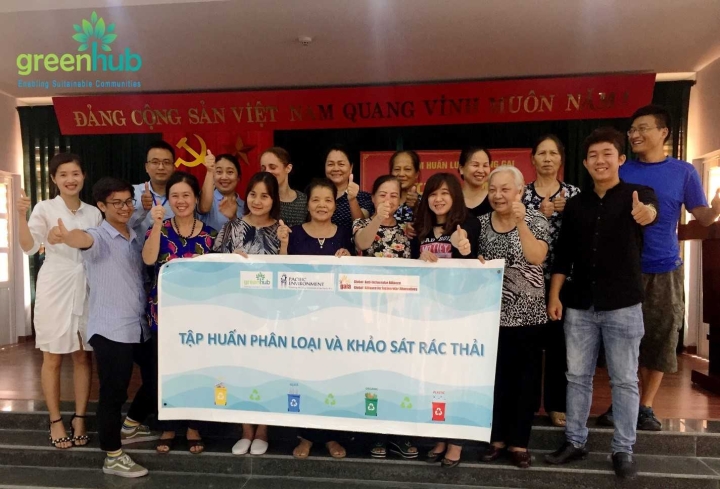
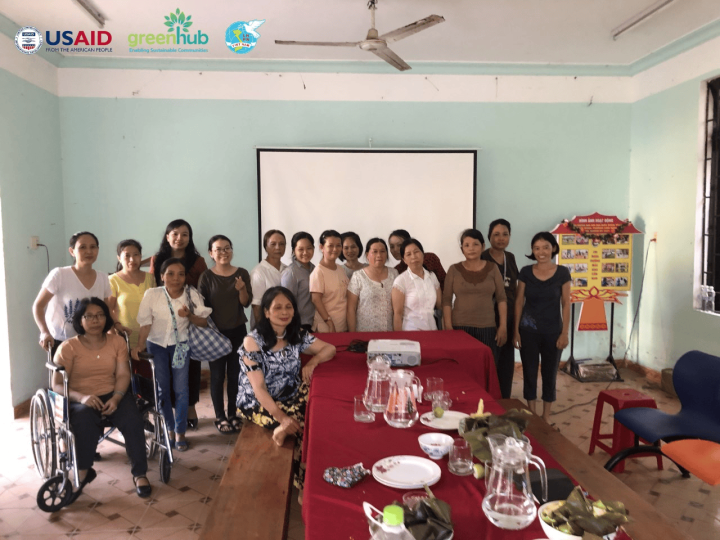
On October 29, 2018, GreenHub organized a composting training session for 17 households in Hà Tu Ward. The activity was warmly welcomed by local residents as it helped address agricultural by-products and organic waste, contributing to improved farming efficiency and creating a source of organic fertilizer for cultivation.
The training adopted a hands-on teaching approach, combining theory with practical demonstrations, which effectively engaged participants. As a result, 100% of participants were able to understand the composting process and learned how to apply the method themselves. Participants are expected to become active advocates who will help promote and expand the use of microbial composting techniques within the community.
One week after the training, participating households had already begun composting their organic waste. Although the compost had not yet fully matured, the amount of daily waste discharged into the environment had significantly decreased. The remaining waste consisted mainly of plastic bags and food packaging. Organic waste was collected for composting, while recyclable materials such as newspapers, plastic bottles, and cans were gathered and sold to contribute to the Women’s Union community fund.
Notably, shells from mollusks such as oysters, clams, and mussels were also collected by residents and burned to produce lime for use in the composting process.
GreenHub plans to organize additional training sessions and expand the composting model to more households by the end of November, enabling participants to observe the results of their efforts. Through these activities, GreenHub hopes to support existing waste collection and treatment systems while helping residents gain a more comprehensive understanding of waste sorting and waste management practices.
At the same time, the initiative promotes an important message to the local community:
“Instead of discarding waste, treat it as a valuable resource.”
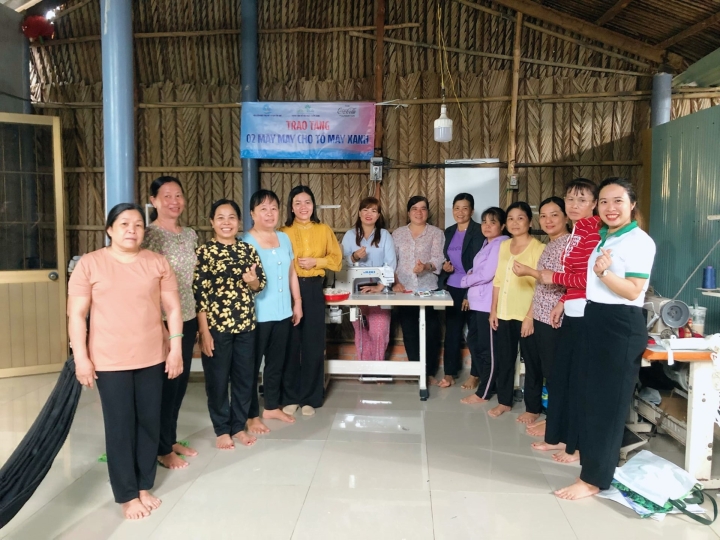
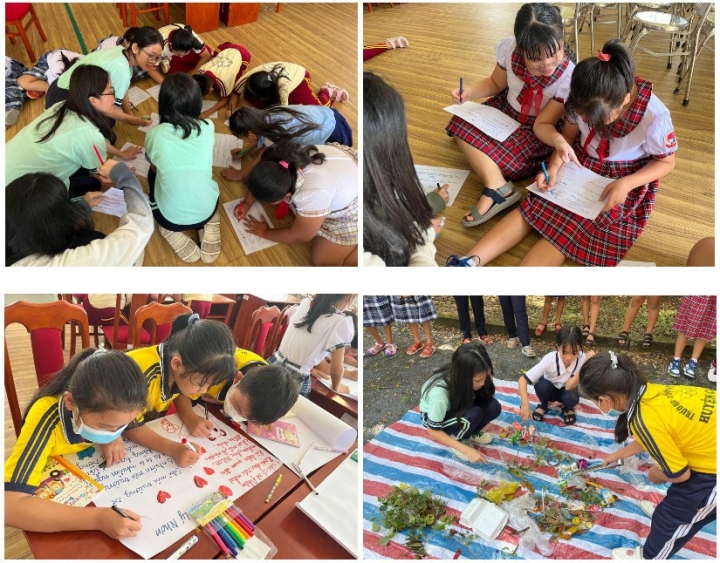
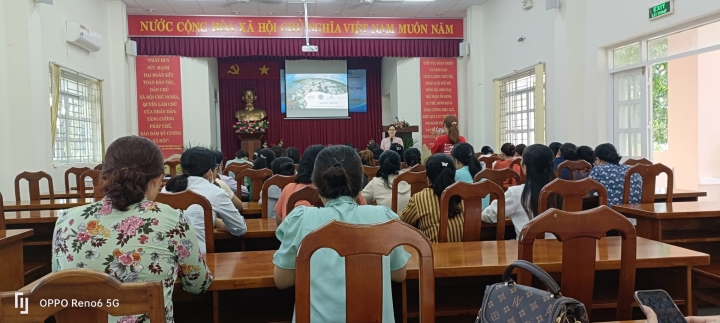
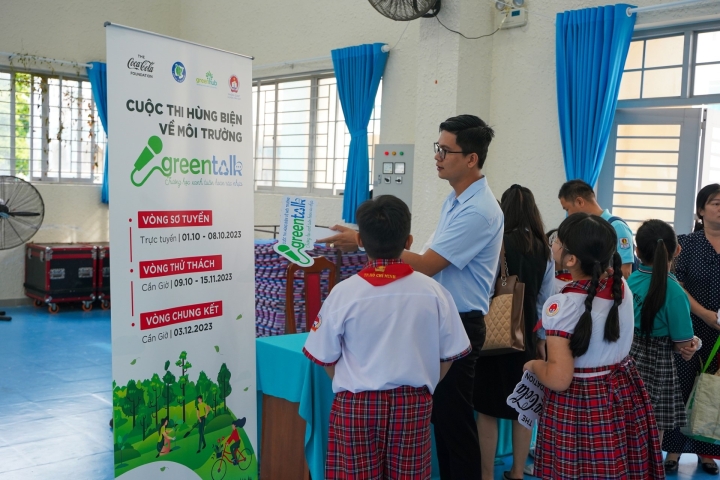
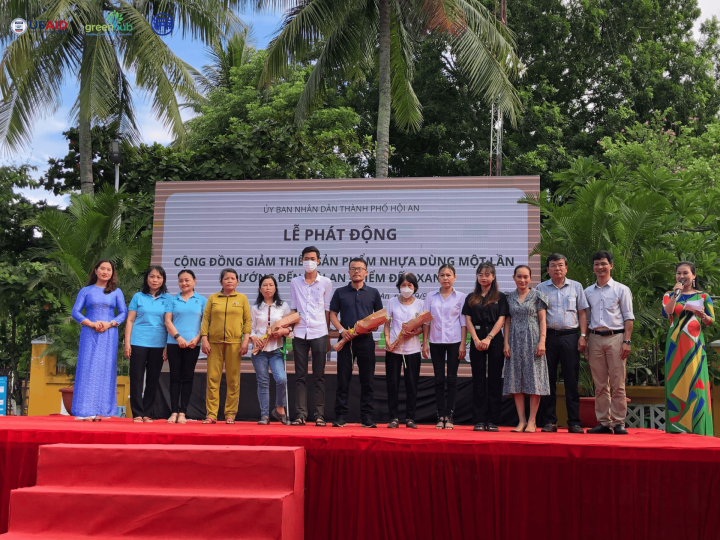
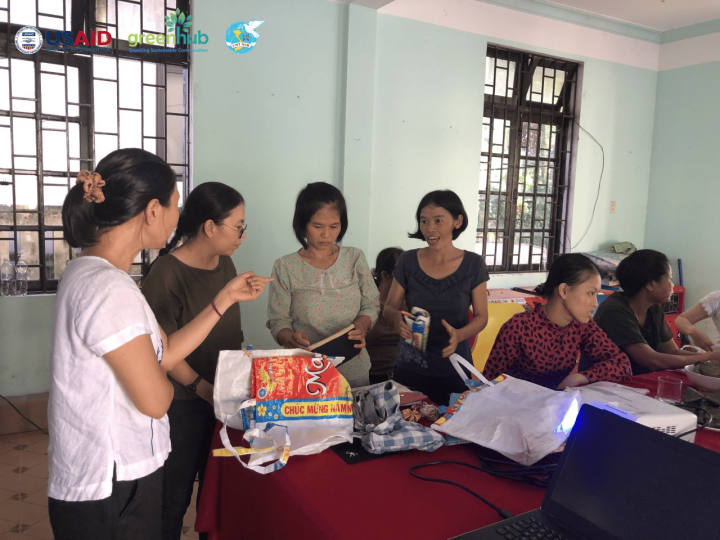
Photos from the training session:

-
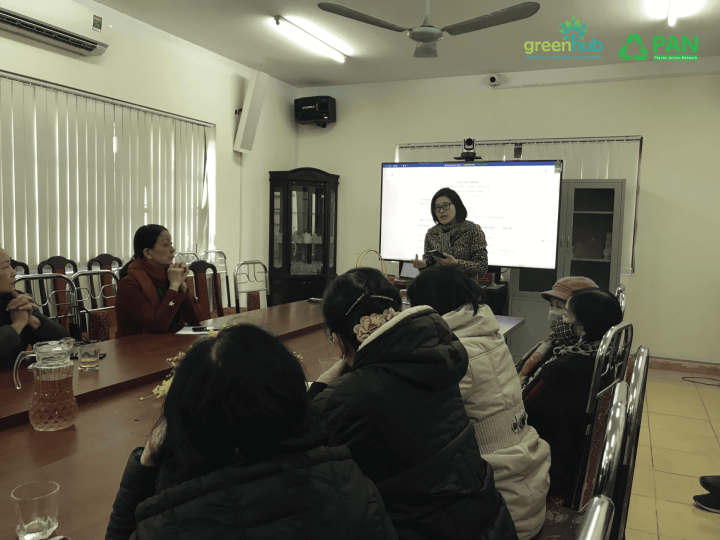
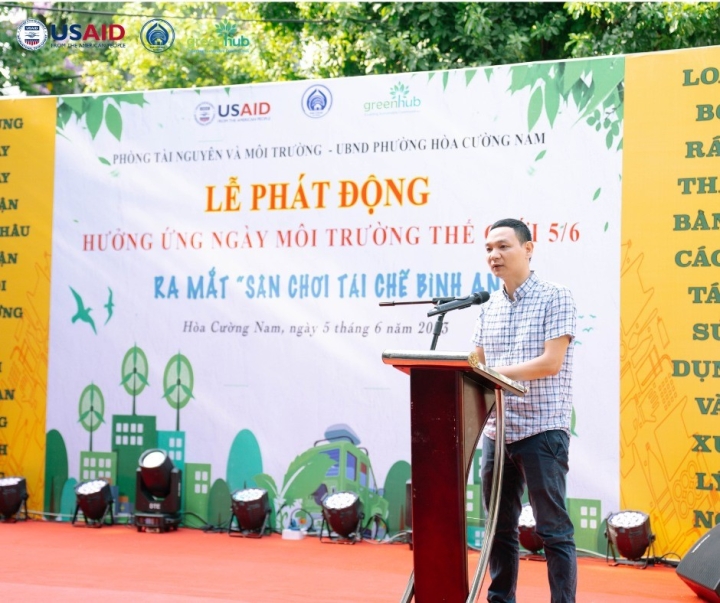
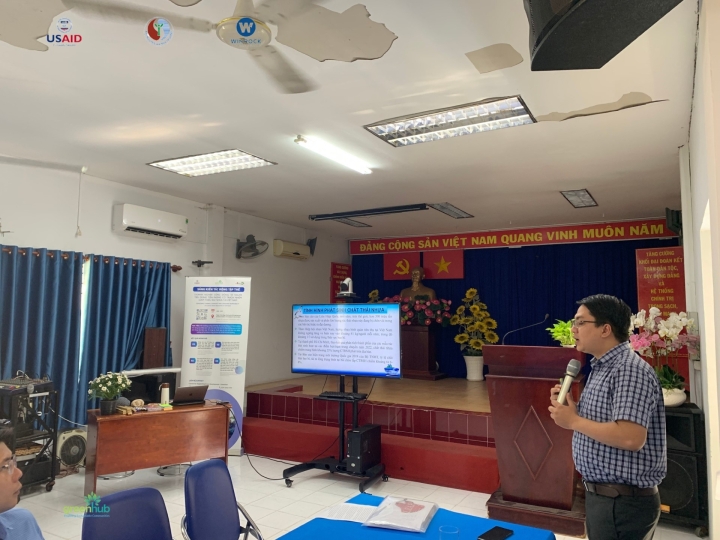
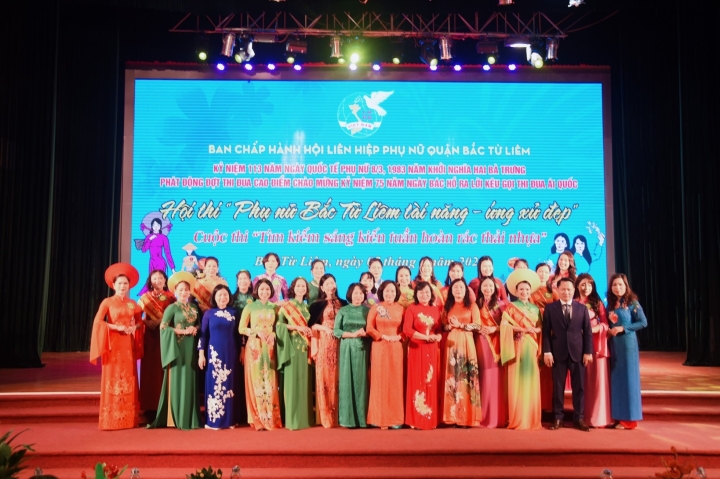
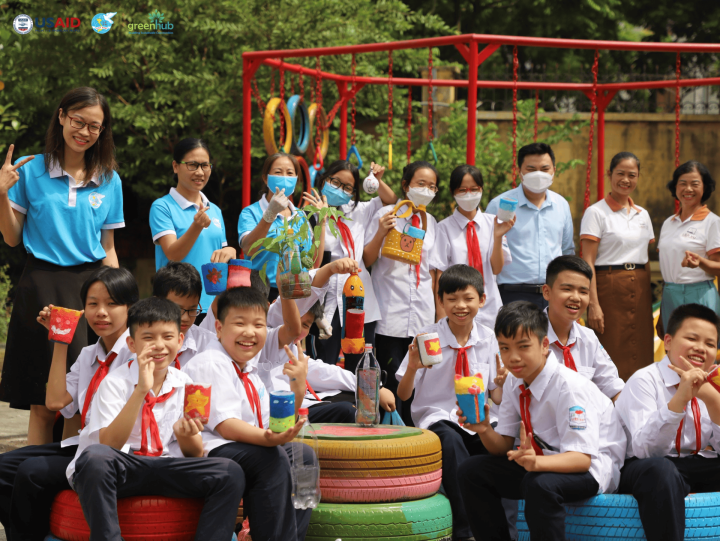
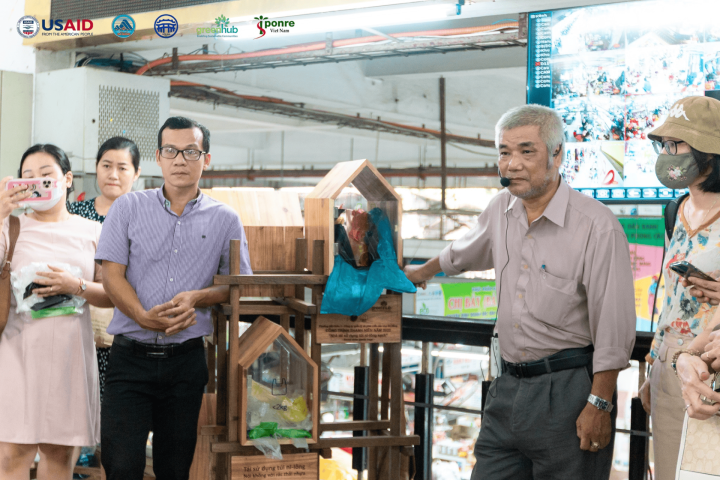
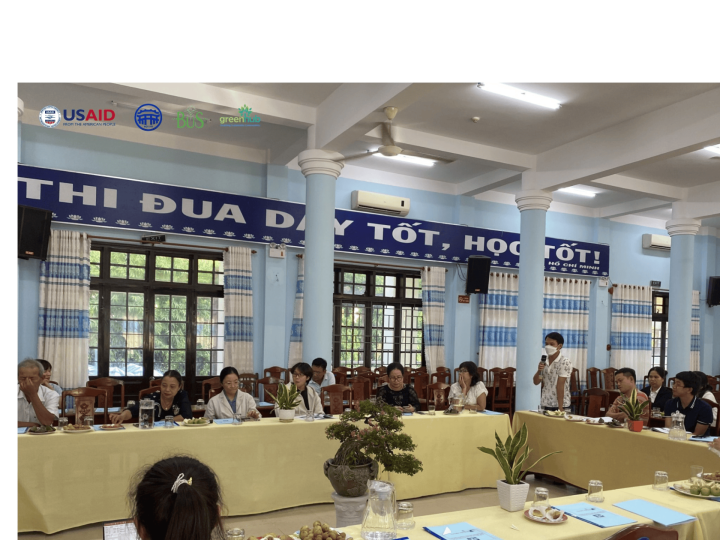
Ms. Nguyễn Thị Thanh Vân – Deputy Director of GreenHub introducing the GreenHub project and the objectives of the training session
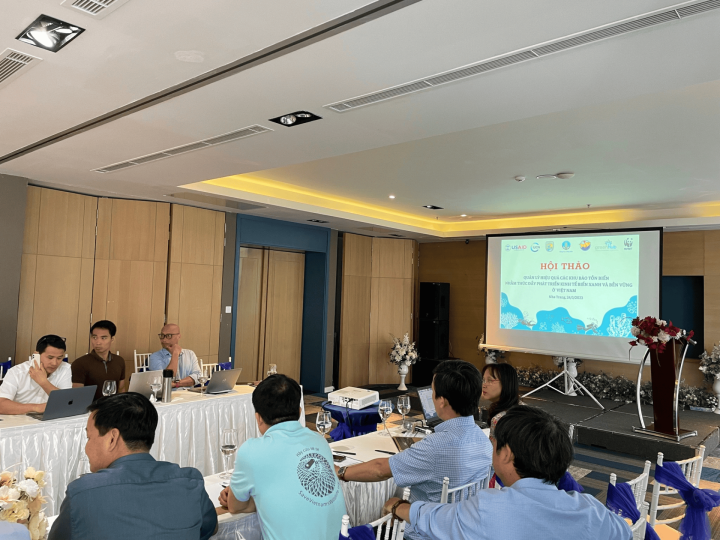
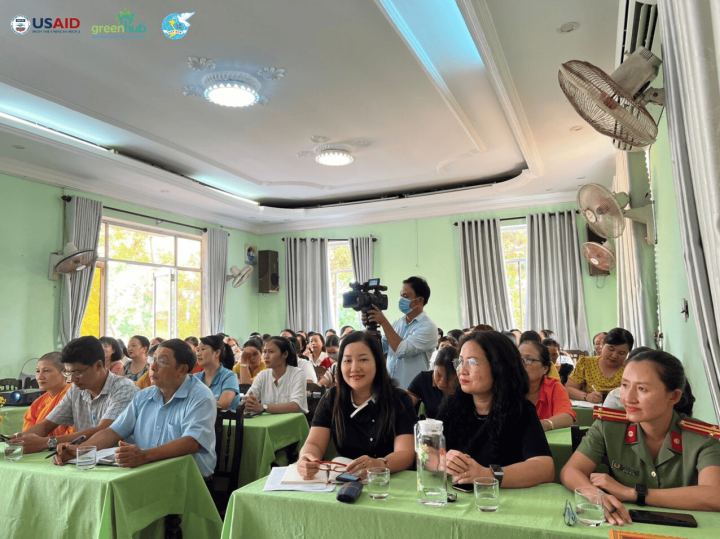
 Ms. Nguyễn Thị Hòa – Microbial technology expert delivering training on organic composting
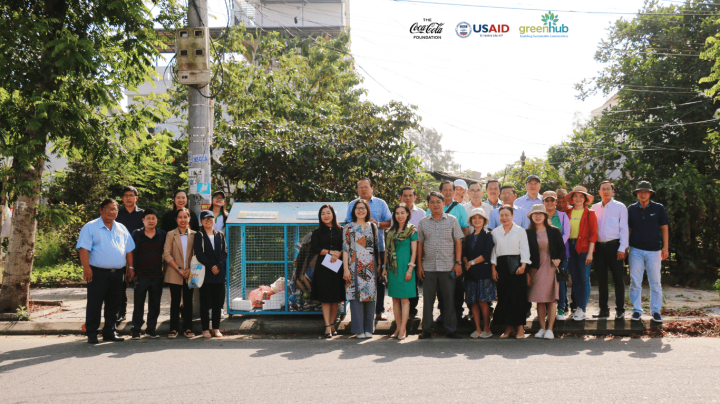
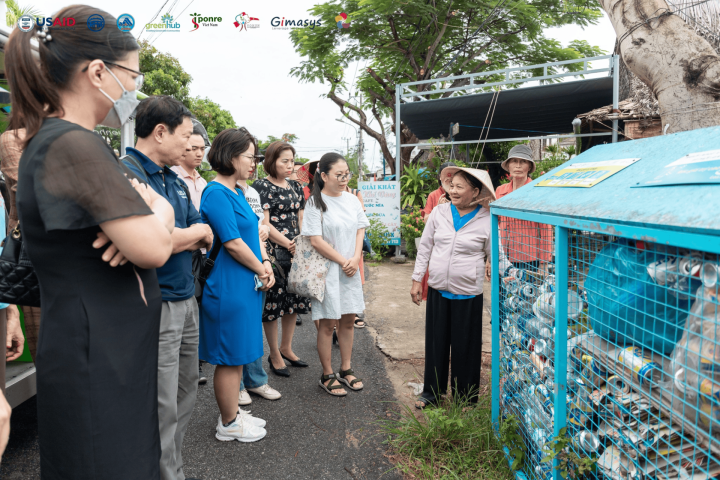
Household garden of a participating family

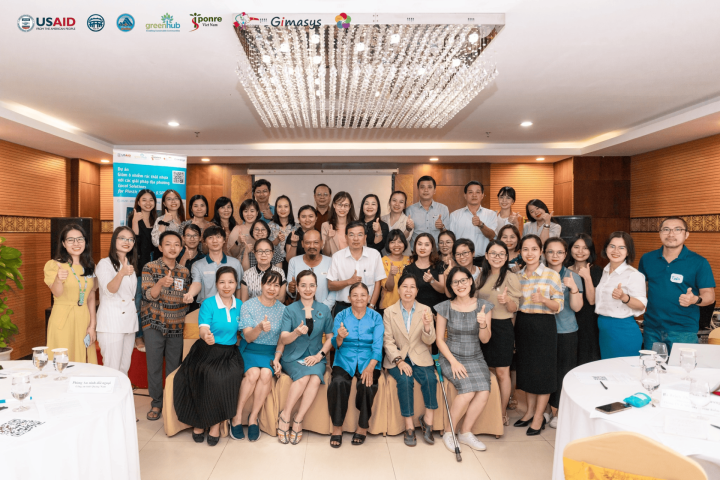
Practical demonstration of composting using biological products

![[/HēRōS/: ZERO – HEROES OF ZERO] For a Green Ha Long – Mr. Nguyen Duc Hai, Quarter 2, Ha Trung Ward](https://cdn8774.cdn4s10.io.vn/thumbs/article_img_avatar/So-18-01_thumb_720.png)
![[/HēRōS/: ZERO – HEROES OF ZERO] Women’s Union of Quarter 5, Hong Hai Ward](https://cdn8774.cdn4s10.io.vn/thumbs/article_img_avatar/So-16-01_thumb_720.jpg)
![[/HēRōS/: ZERO – HEROES OF ZERO] Women’s Union of Quarter 2A, Cao Thang Ward](https://cdn8774.cdn4s10.io.vn/thumbs/article_img_avatar/So-17-01_thumb_720.png)
![[/HēRōS/: ZERO – HEROES OF ZERO] Meeting the Champions of GreenTalk 2021 – The “Green Quartet” Team](https://cdn8774.cdn4s10.io.vn/thumbs/article_img_avatar/So-11-01_thumb_720.jpg)
![[/HēRōS/: ZERO – HEROES OF ZERO] GreenTalk 2019 Runner-up Nguyễn Thị Hoàng Anh – A Seed That Has Sprouted](https://cdn8774.cdn4s10.io.vn/thumbs/article_img_avatar/So-5-01-min_thumb_720.jpg)