


Mr. Nguyen Duc Hai, the Party Secretary and Head of Quarter 2 in Ha Trung Ward, is also one of the key local leaders in Ha Long City who has actively contributed to changing people’s lifestyles and environmental awareness.
By introducing models for recycling and reusing plastic waste, as well as initiating community mural painting activities that encourage residents to participate, Quarter 2 of Ha Trung Ward has significantly reduced the amount of plastic waste discharged into the environment. The neighborhood’s surroundings now seem to have been given a fresh new look, becoming brighter and more vibrant as shades of green fill the space.
In his daily life, Mr. Hai also strives to be a role model for the community, inspiring others to work together toward a shared goal: “Reducing plastic waste for a greener Ha Long.”
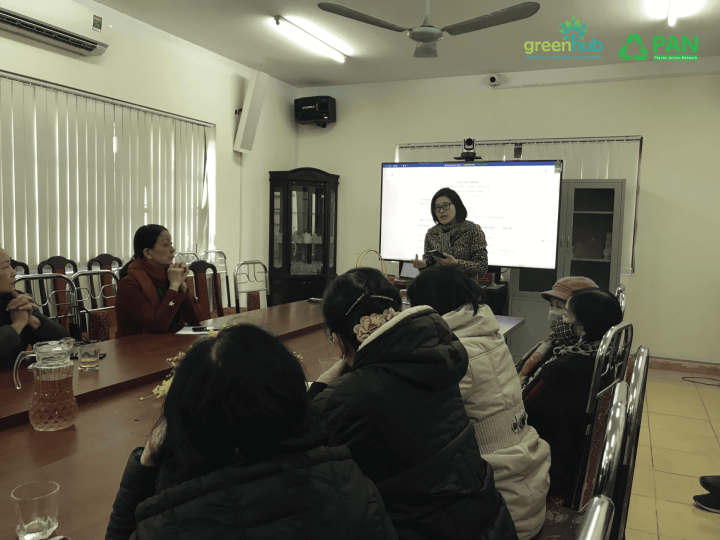
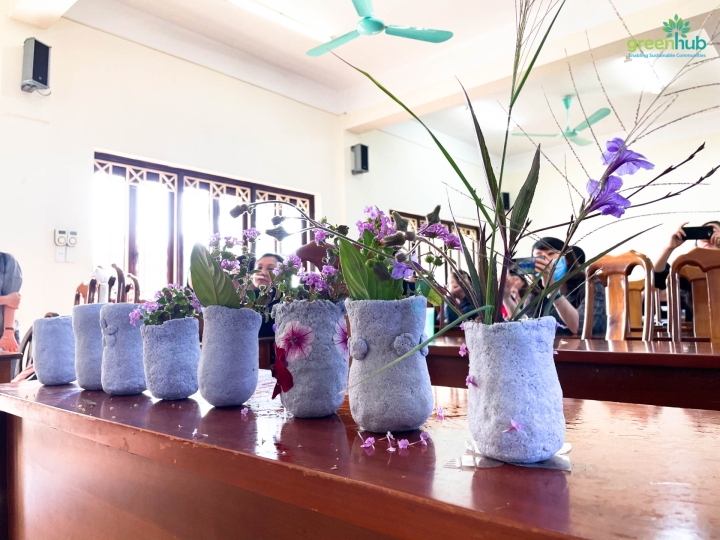
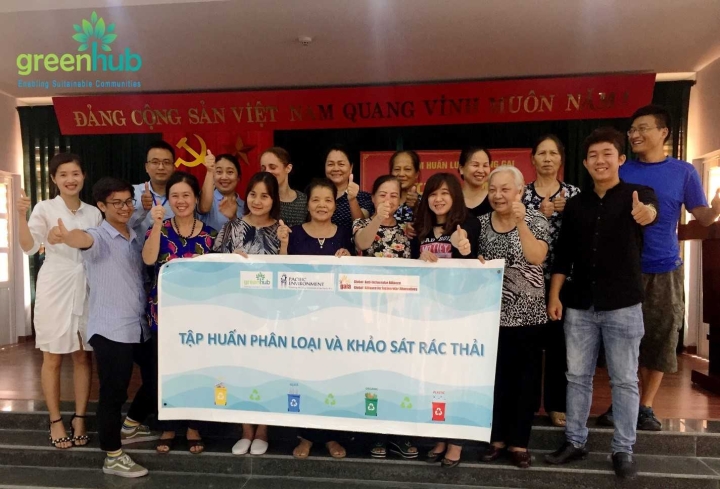
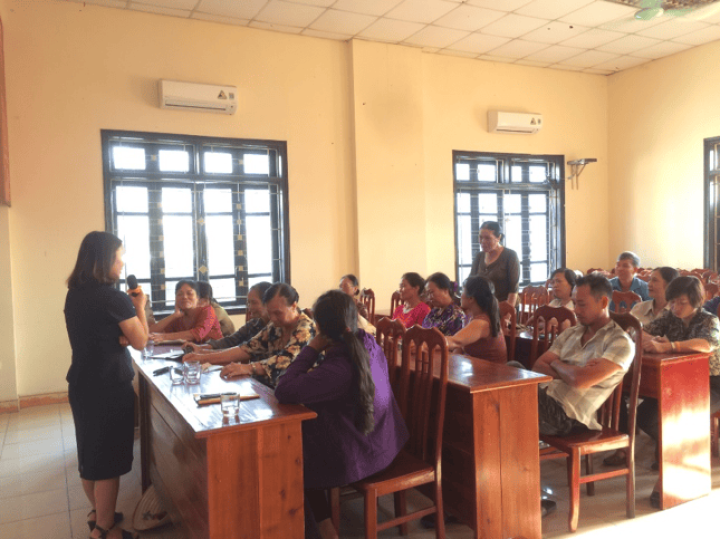
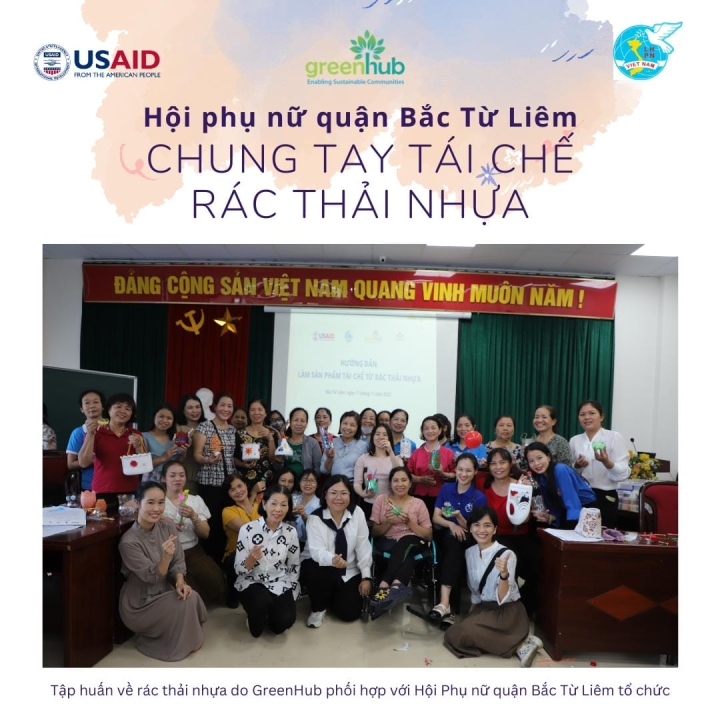
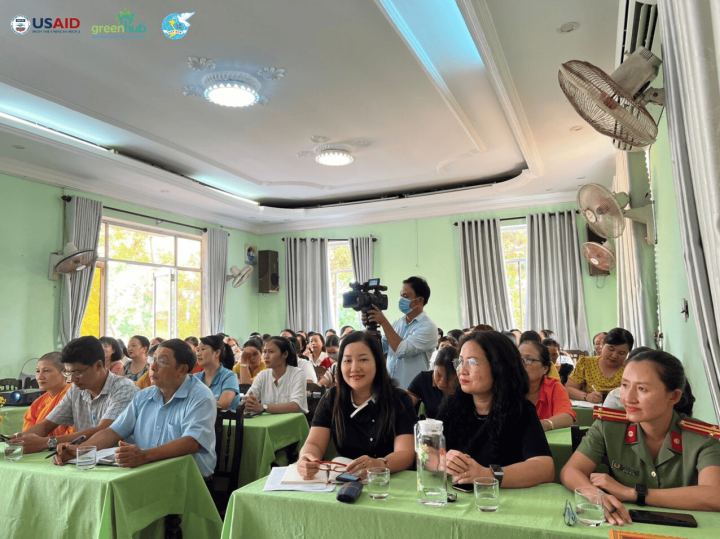
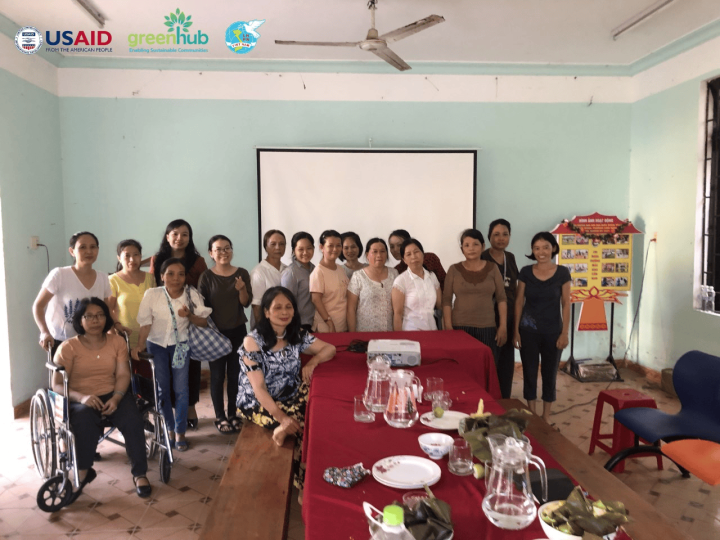
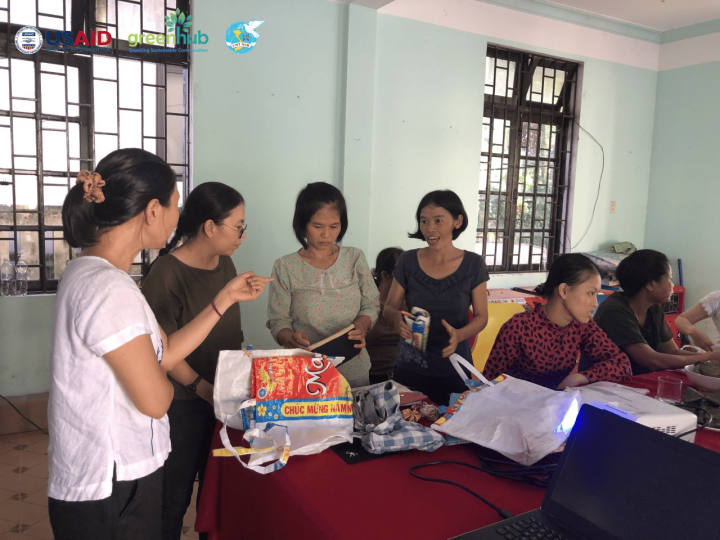
After attending training sessions on plastic waste reduction, Quarter 2 began implementing several recycling and reuse models, such as turning plastic bottles into flower pots and making ecobricks for wall construction. Following the training, Mr. Hai personally guided members of the local Women’s Union on how to collect and manage household waste.
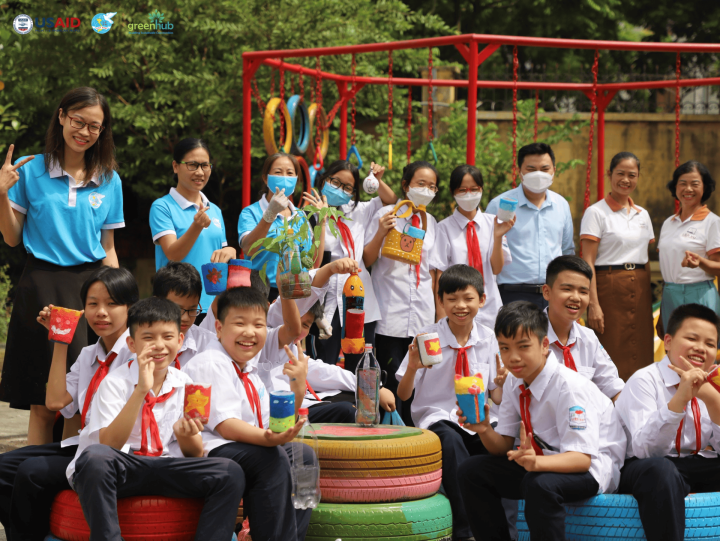
As a result, through several community collection campaigns, residents have gathered and reused up to 6,000 plastic bottles, transforming them into hanging flower pots along neighborhood walls and ecobricks used to decorate flower beds around the cultural house and public gathering spaces. They even recycled plastic to create plastic benches for students at local primary and secondary schools. It is truly an achievement worth celebrating.
After the initiative was launched by the city and supporting organizations, residents of Quarter 2, especially members of the Women’s Union, enthusiastically participated in recycling activities. In addition, Mr. Hai has strengthened community outreach by promoting environmental messages through mural paintings, such as the slogan:
“Don’t throw waste away – turn it into money.”
These activities not only help protect the environment and minimize plastic waste but also spread positive messages throughout the community, encouraging residents to reduce littering and improper waste disposal.
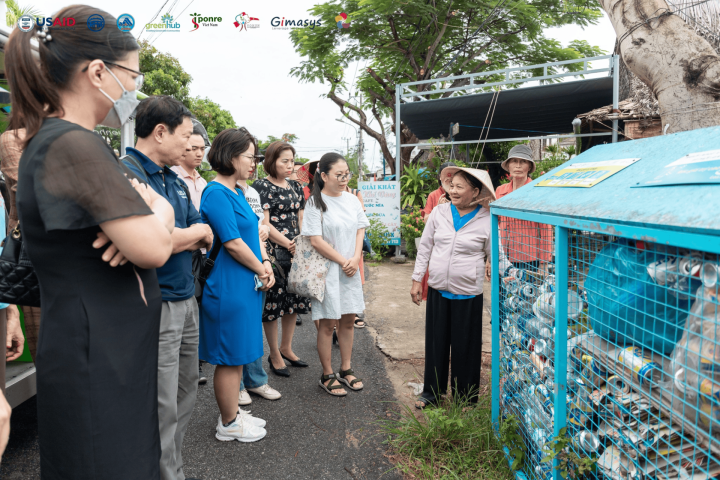
Instead, people are encouraged to develop the habit of sorting household waste into organic and inorganic categories. Organic waste such as fruit peels, leaves, and plant stems can be composted and used as fertilizer to grow more plants and flowers. Inorganic waste, especially plastic, can be collected for recycling or even repurposed into useful household items.
Mr. Hai himself has also made many positive lifestyle changes since participating in the project. He has worked to eliminate the habit of using single use plastics such as plastic bags, straws, and bottles. At the same time, he encourages his family, friends, and neighbors to reduce their use of these items in everyday life.
He often reminds his wife and her friends:
“When you go to the market, remember to bring your own basket. Otherwise, out of habit, you’ll bring home a bunch of plastic bags just because they’re free. Getting them may be free, but the cost of dealing with them later is very expensive.”

![[/HēRōS/: ZERO – HEROES OF ZERO] Women’s Union of Quarter 5, Hong Hai Ward](https://cdn8774.cdn4s10.io.vn/thumbs/article_img_avatar/So-16-01_thumb_720.jpg)
![[/HēRōS/: ZERO – HEROES OF ZERO] Women’s Union of Quarter 2A, Cao Thang Ward](https://cdn8774.cdn4s10.io.vn/thumbs/article_img_avatar/So-17-01_thumb_720.png)
![[/HēRōS/: ZERO – HEROES OF ZERO] Meeting the Champions of GreenTalk 2021 – The “Green Quartet” Team](https://cdn8774.cdn4s10.io.vn/thumbs/article_img_avatar/So-11-01_thumb_720.jpg)
![[/HēRōS/: ZERO – HEROES OF ZERO] GreenTalk 2019 Runner-up Nguyễn Thị Hoàng Anh – A Seed That Has Sprouted](https://cdn8774.cdn4s10.io.vn/thumbs/article_img_avatar/So-5-01-min_thumb_720.jpg)