


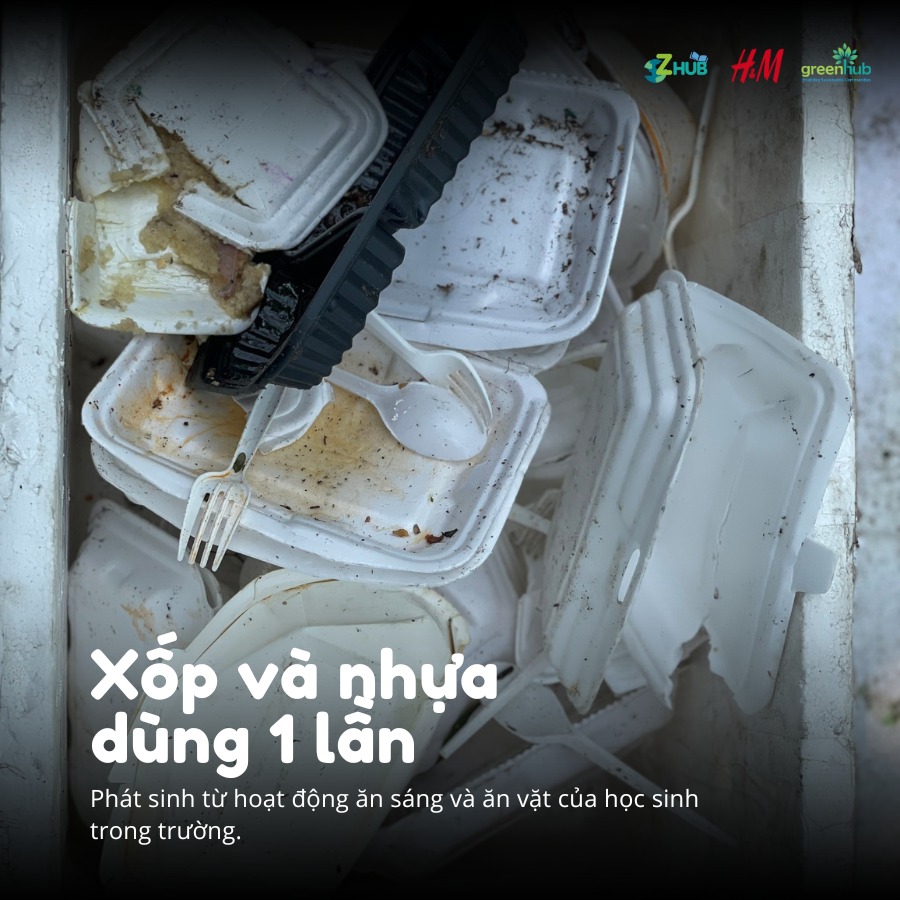
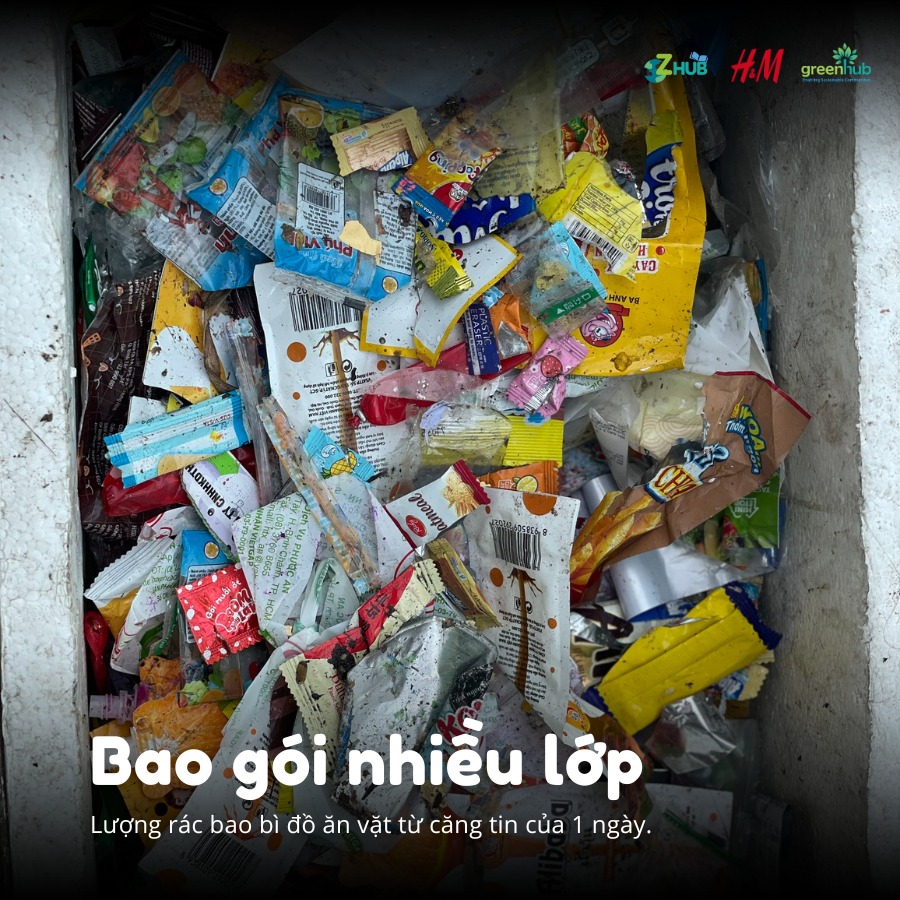
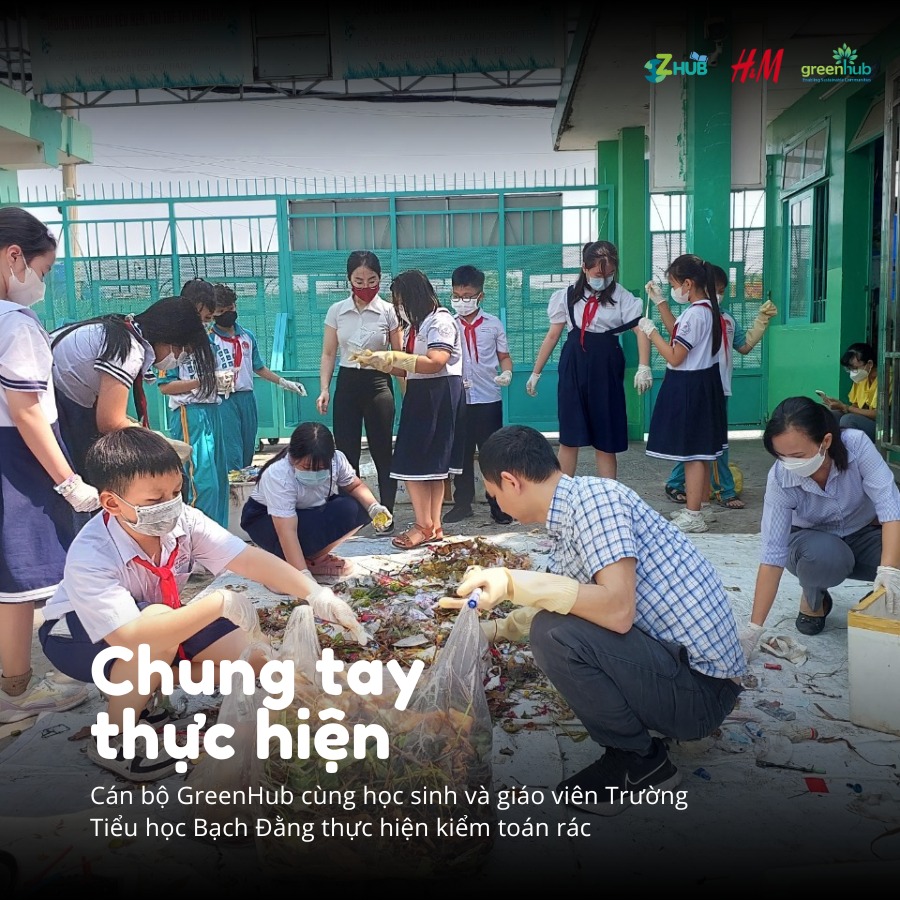
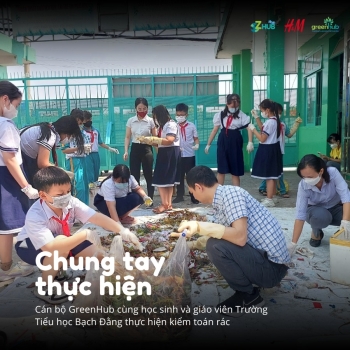
Taking Action Together
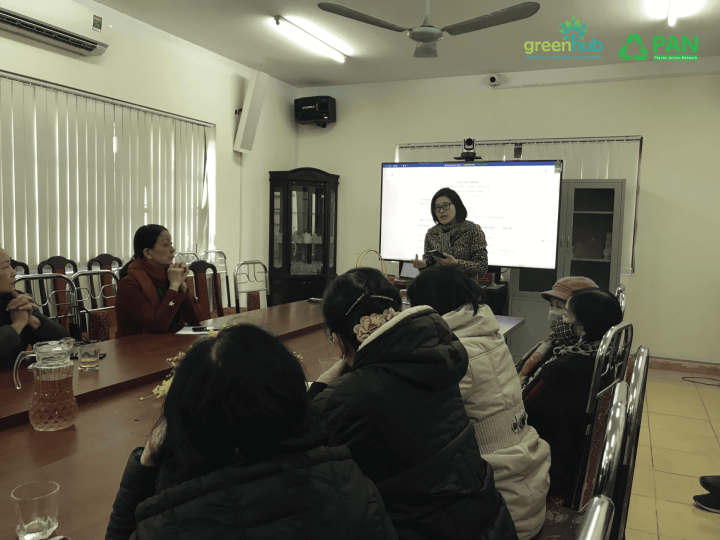
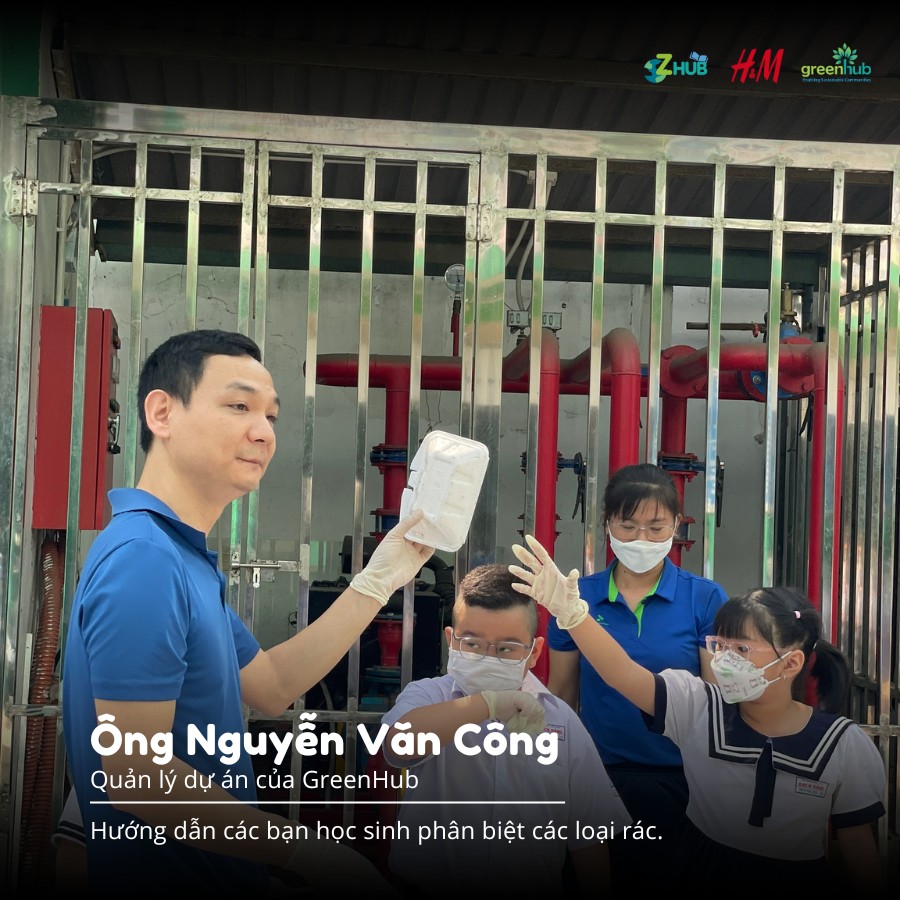
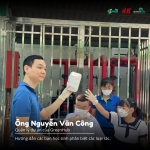
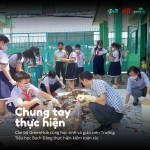
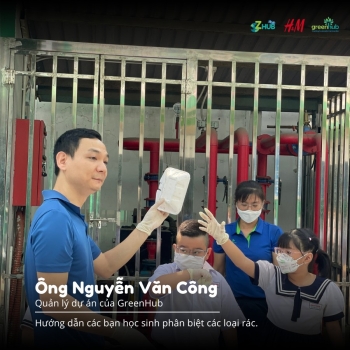
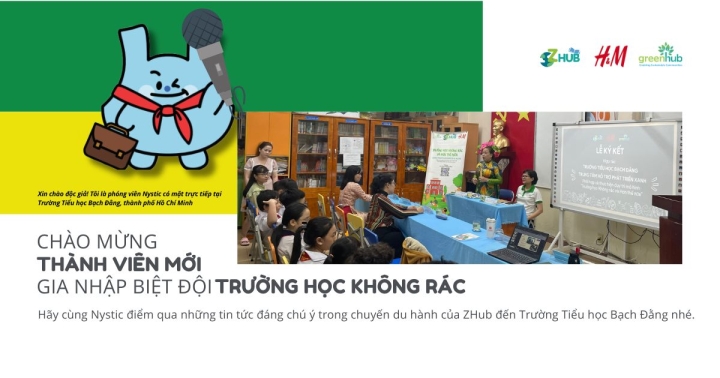
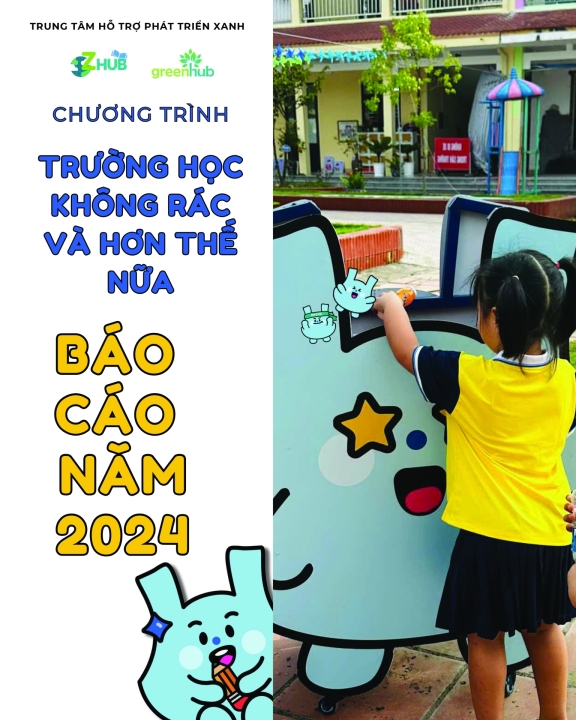
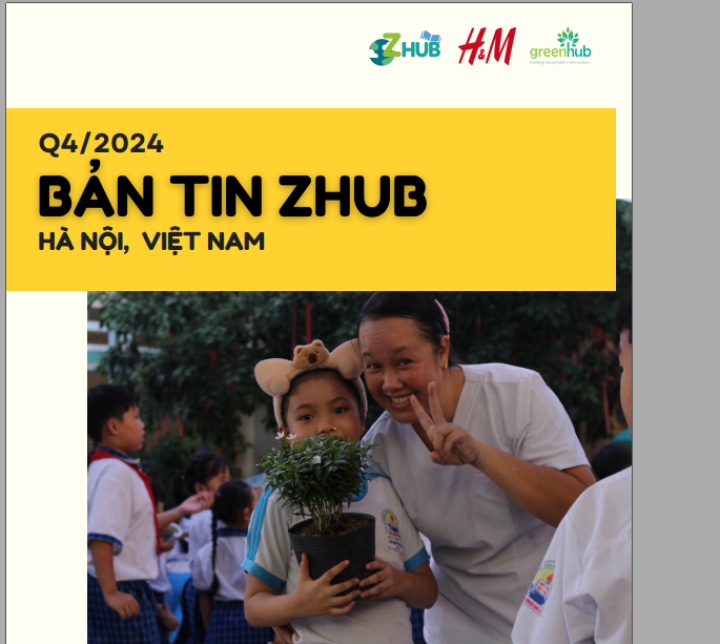
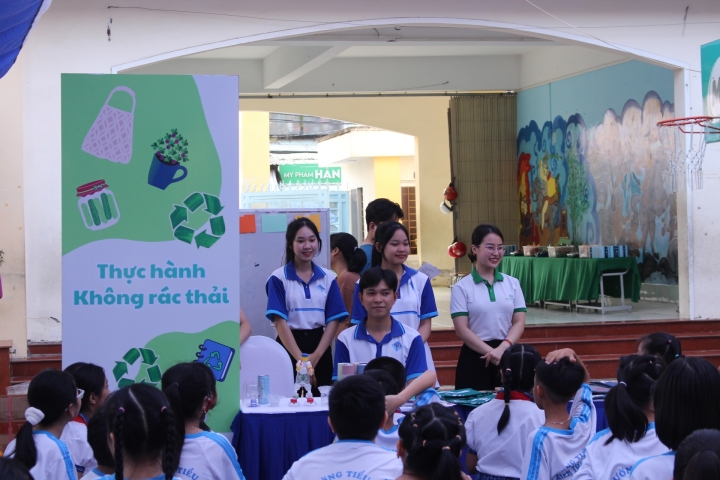
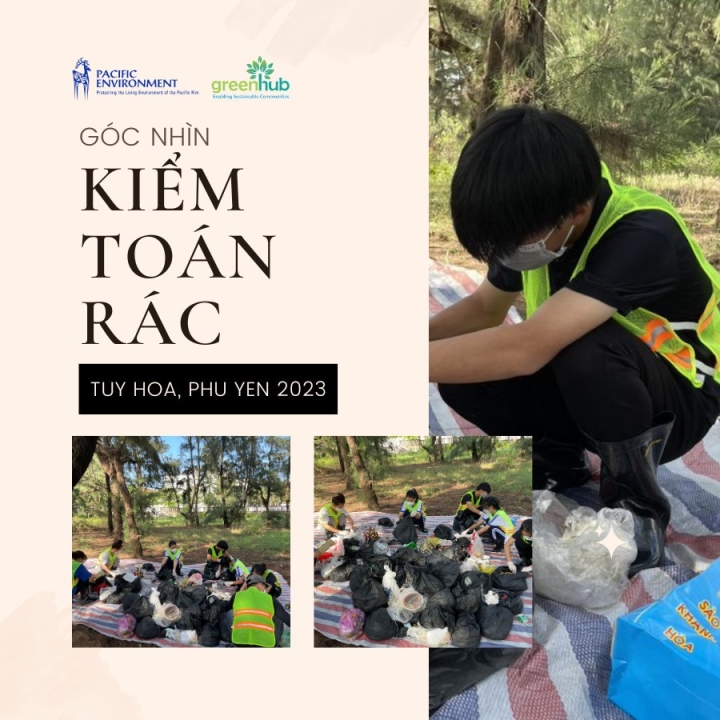
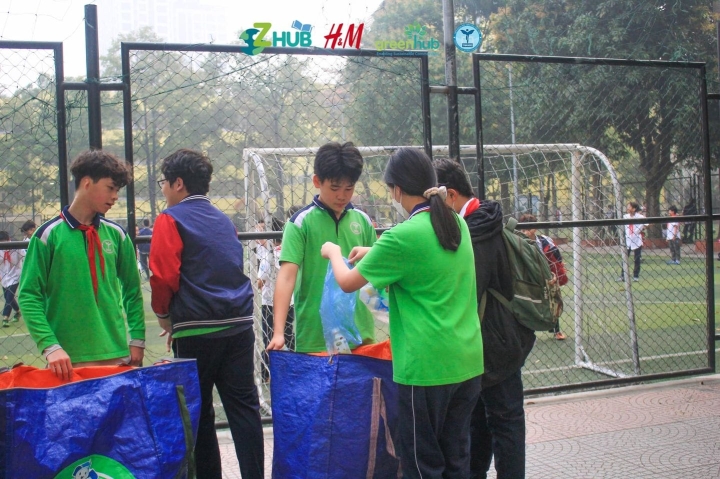
Bạch Đằng Primary School has demonstrated its strong commitment to building a clean and sustainable learning environment. Recently, in collaboration with the Zero Waste School and More (ZHub) program, the school worked with ZHub to conduct a Waste Audit activity, showing great determination and readiness to take on challenges.
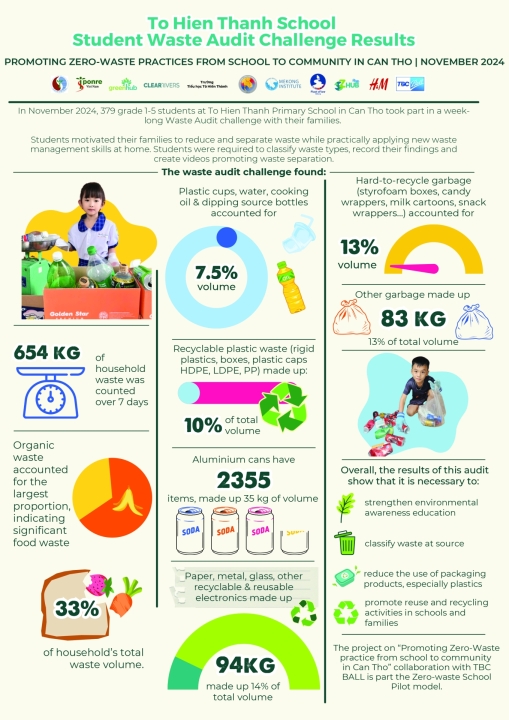
Key results after five days of waste auditing
1. Total waste generated at the school
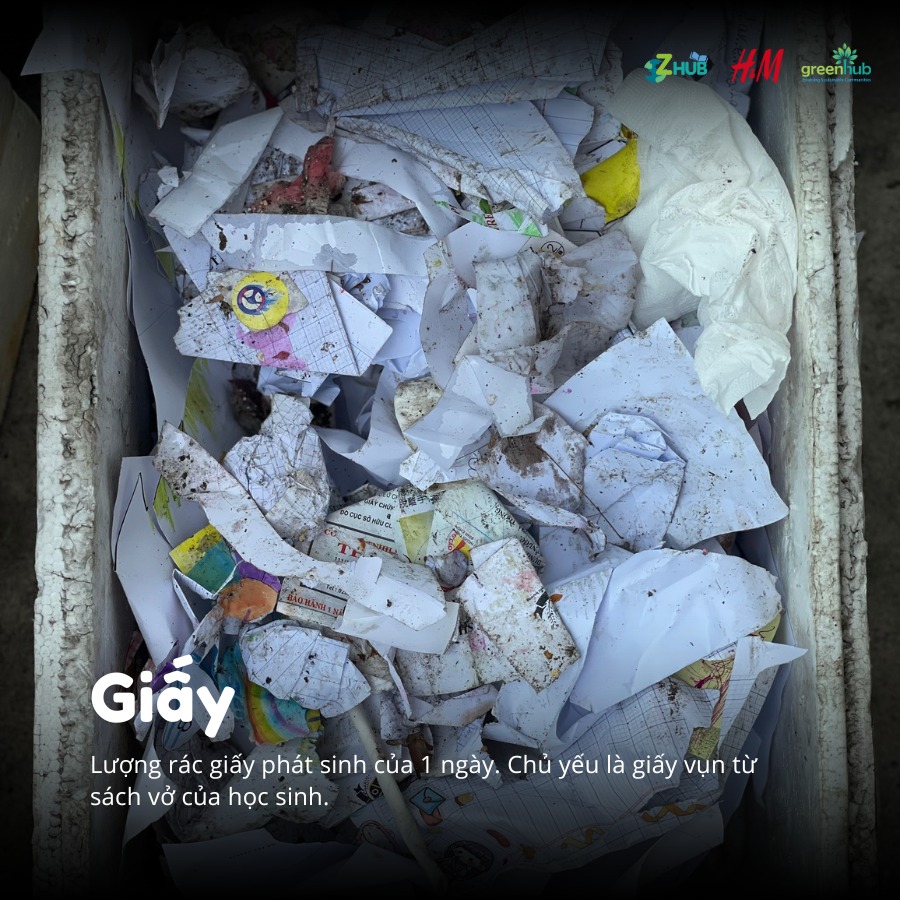
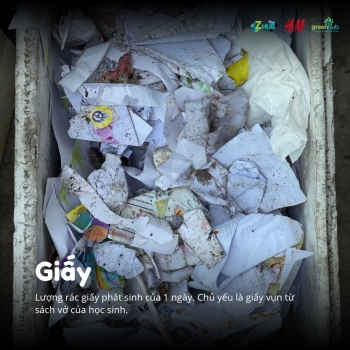
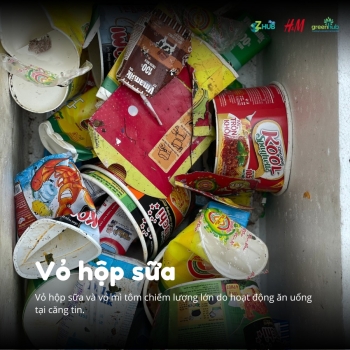
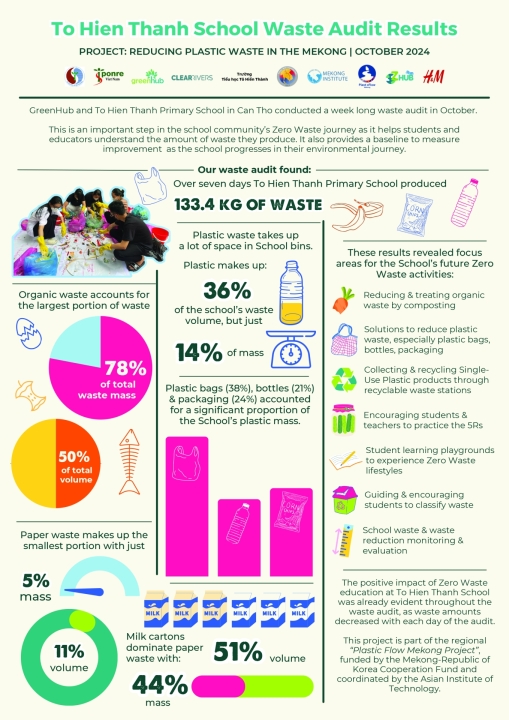
More than 350 kg of waste was recorded over five days. This included 276.63 kg of organic waste, 25.52 kg of paper waste (including milk cartons, notebooks, books, exercise books, and cardboard), and 42.52 kg of plastic waste.
2. Waste composition
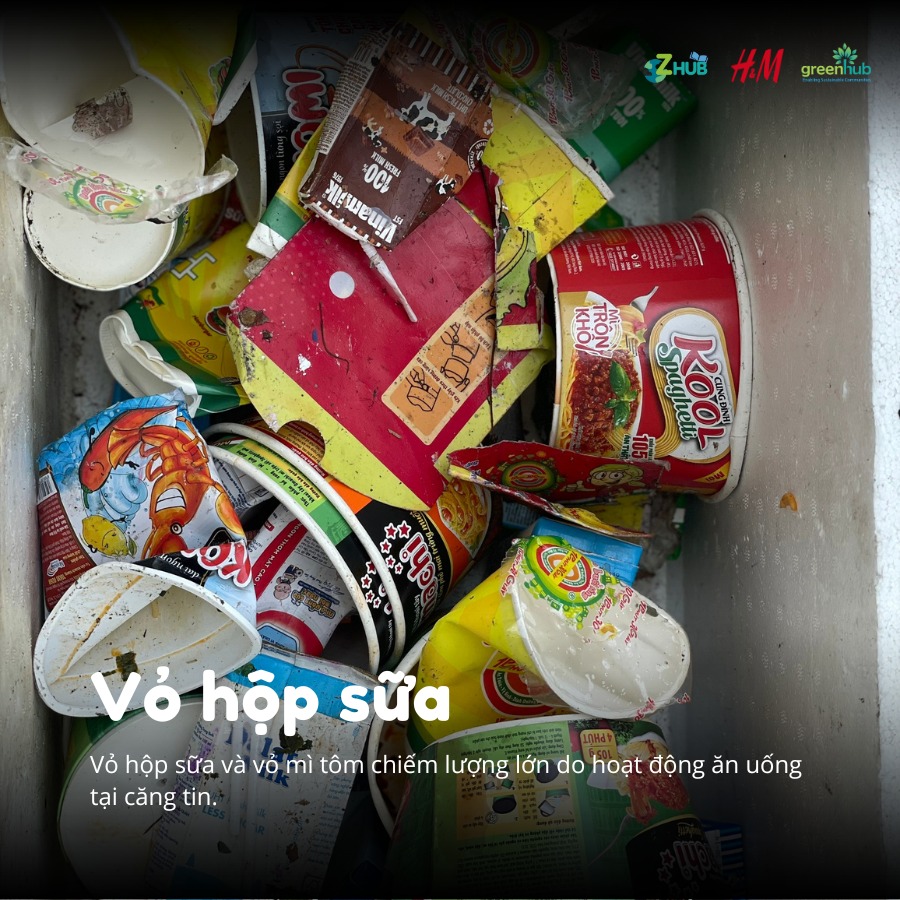
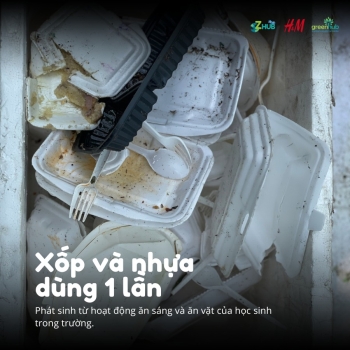
The data showed that garden waste and food waste accounted for the largest proportion of organic waste. Among paper waste, milk cartons appeared most frequently, followed by paper, notebooks, books, and cardboard. For plastic waste, plastic bags and PP plastic products were the most common items.
3. Interesting insights
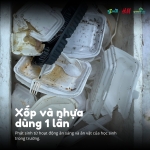
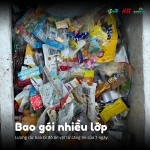
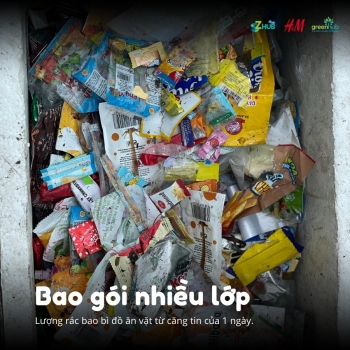
Although the school kitchen has made efforts to reduce single-use plastics, a considerable amount of plastic waste still comes from snack packaging. This will be a significant challenge that the school will need to address.
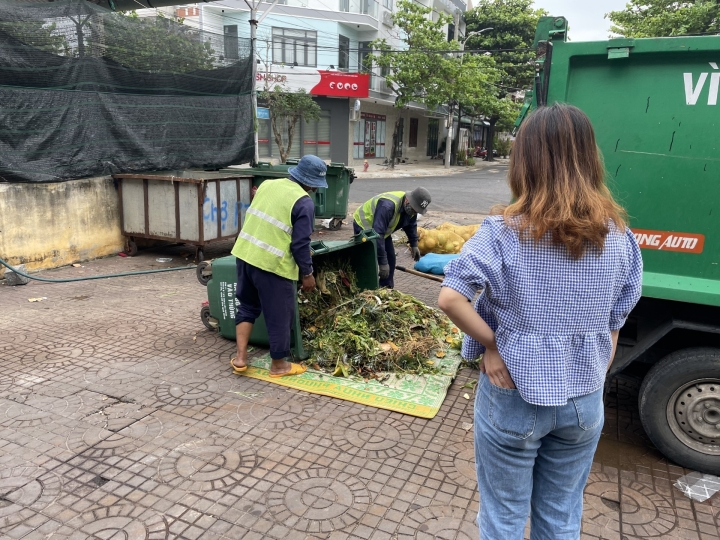
Leftover food and spoiled vegetables are smartly reused by sending them to a collection unit that processes them into animal feed, while used cooking oil is handled separately.
Plastic items, cardboard boxes, and aluminum materials are sorted for recycling, and these materials are sold to recyclers at the end of each week.
Other types of waste are collected in general waste bins, and the municipal environmental company collects them daily.
Based on the waste audit results, ZHub and Bạch Đằng Primary School will develop action plans to reduce waste released into the environment, particularly single-use plastics and other environmentally harmful waste types.
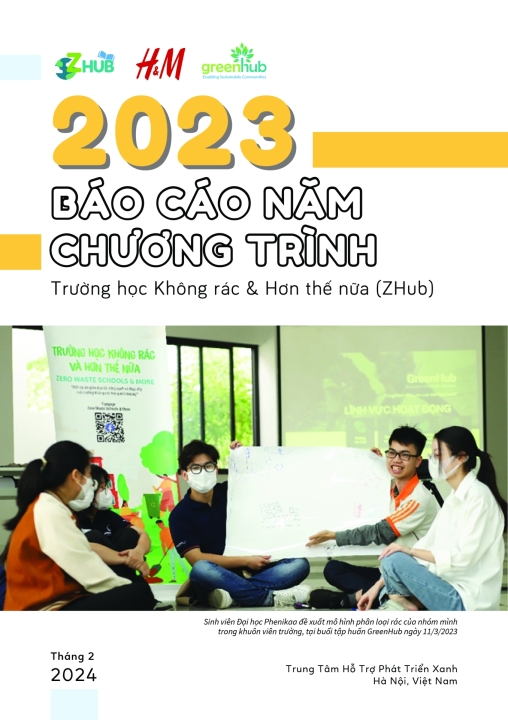
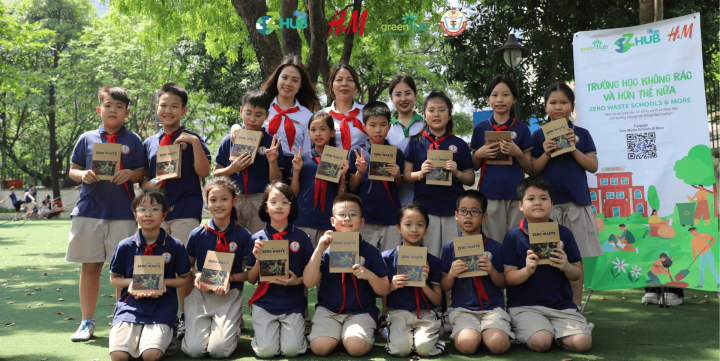
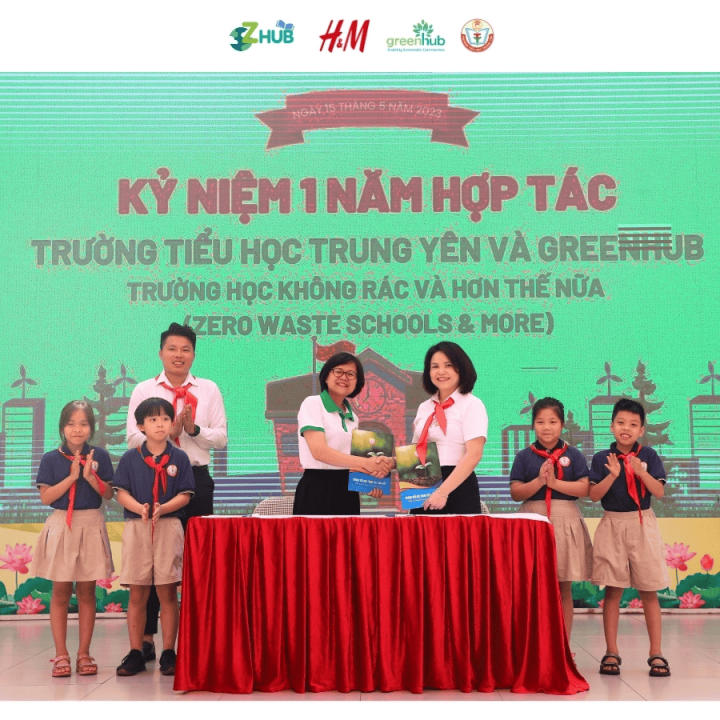
This activity is part of the Zero Waste School and More program, developed by the Center for Supporting Green Development (GreenHub) and primarily funded by the fashion brand H&M.
Contact information
(+84 24) 629 26764
Email: zhubvietnam@gmail.com
Fanpage: https://www.facebook.com/ZHubZeroWasteSchoolsMore
Center for Supporting Green Development – GreenHub
🌿 Together for a greener Viet Nam
Email: info@greenhub.org.vn
Website: www.greenhub.org.vn
![[RECAP] Zero-waste school model at Lam Dong Kindergarten, Hoang Lam ward, Thuy Nguyen city, Hai Phong](https://cdn8774.cdn4s10.io.vn/thumbs/upload-files/anh-bai-viet/nam/488074947_685672847300636_7613338964808890379_n_thumb_720.jpg)
![[Recap] The event](https://cdn8774.cdn4s10.io.vn/thumbs/upload-files/anh-bai-viet/linh/damen/recap-28-2-25/1_thumb_720.png)

![[/HēRōS/: ZERO – HEROES OF ZERO] Women’s Union of Quarter 5, Hong Hai Ward](https://cdn8774.cdn4s10.io.vn/thumbs/article_img_avatar/So-16-01_thumb_720.jpg)
![[/HēRōS/: ZERO – HEROES OF ZERO] Women’s Union of Quarter 2A, Cao Thang Ward](https://cdn8774.cdn4s10.io.vn/thumbs/article_img_avatar/So-17-01_thumb_720.png)